lesión pero deportista
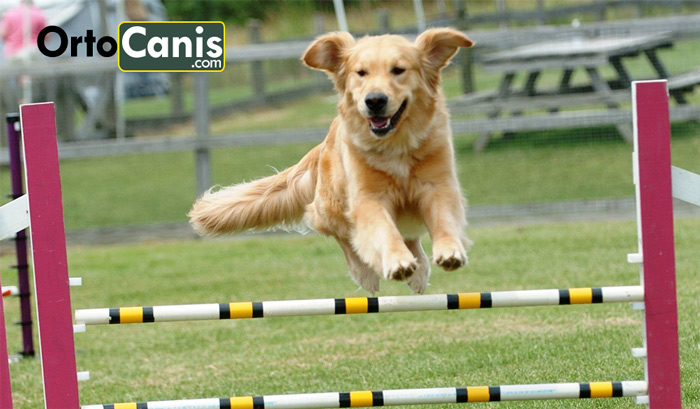
Since time immemorial, dogs have remained by our side for their amazing physical gifts such as speed, endurance and agility. With the passage of time, man was selecting those that were better accustomed to hunting and the defense of the home, such as show dogs and collectors. Today, what was once just a job, has become leisure, sports activities and jobs of great responsibility. Among the sports activities we could highlight the greyhound races, the sled dogs or the exhibition and agility tracks. Both working dogs and those of sport and leisure require excellent physical and mental training at all times throughout their lives. More than referring to a strict training, we refer to a lifestyle with great wear and tear throughout the body. Specifically, their joints receive blows or trauma constantly and wear out more quickly than the joints of our pets. These traumatisms usually cause joint inflammation that often goes unnoticed. Many of these sports animals do not usually show pain until the injuries worsen, producing more pain, and being complicated to treat them. The most affected joints are usually those of the front extremities: the shoulder, carpal or wrist and the interphalangeal joints.
Among the most frequent joint pathologies we find muscle contractures, sprains and dislocations.
The best treatment on these occasions is the prevention of injuries. Dominique Grandjean, director of the sport unit at L’Ecole Nationale Veterinaire d’Alfort and Colonel of the Paris Fire Sappers brigade, states that “A search and rescue dog must always be prepared. Like any athlete, he must train and return to training.” Once the injury appears, more than three weeks of rest are necessary, preventing them from doing their job. Many of them would be left with chronic sequelae, such as osteoarthritis, and with a very high probability of repeating the injury if it is not treated correctly. Physical therapists recommend a good daily workout to strengthen the muscles and stretch the tendons and ligaments well. As for rehabilitation, companies such as Ortocanis.com, offer us hip, elbow and carpal supports that in addition to applying a slight pressure to the joint and being able to choose different degrees of immobilization, keep the joint warm and improve performance. These technical aids made especially for dogs, allow a cure of quality injuries and considerably reduce the time of rehabilitation.
Diana Uribelarrea
UCE University of Valencia
Canine orthopedic surgery is an increasingly common procedure in dogs with joint problems or trauma,…
Hydrotherapy for dogs has established itself as one of the most effective techniques within canine…
Mobility is one of the fundamental pillars of the quality of life of dogs. An…
Physiotherapy for dogs is a fundamental tool to improve the quality of life of those…
Over the years, our dogs age, and with old age come physical and mental changes…
Anti-inflammatory drugs, called NSAIDs (nonsteroidal anti-inflammatory drugs), are the most commonly prescribed pain reliever in…