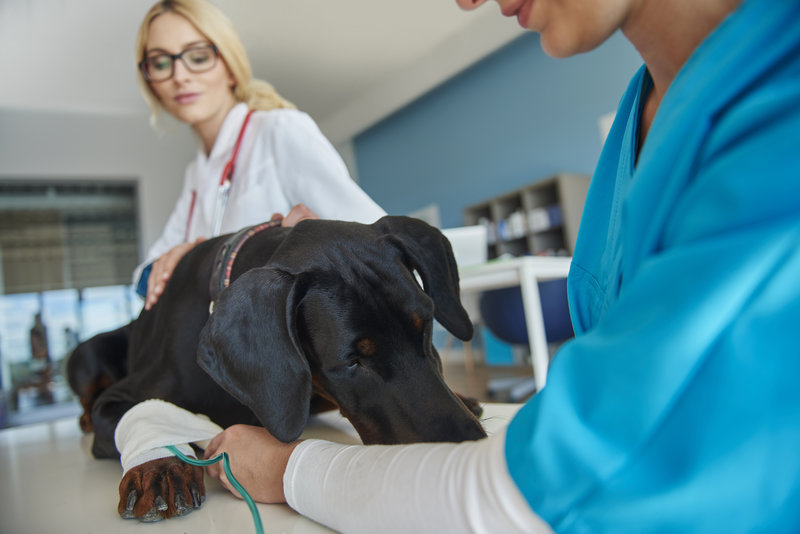
Dogs can also suffer from osteoarthritis as they get older. Just like humans. This disease, caused by wear and tear on the cartilage of the limbs of animals, causes them a lot of suffering. Luckily,
osteoarthritis in dogs
can be treated.
Thus, among its symptoms are pains, lameness of the affected limb or stiffness. Also difficulty moving and climbing stairs. And even experience a loss of mass in the muscles, and an abnormal decrease in your appetite.
Obviously, the sooner the symptoms of osteoarthritis are detected in a dog, the sooner the most appropriate treatment can be applied. As we will see below, it will be different depending on its severity.
The first thing to do before a dog affected by osteoarthritis is several changes in its routine. All with the aim of getting the animal to have the least problems and the greatest possible autonomy. For example, if you regularly rest in a house with several floors, change your sleeping cushion to a plant where you do not have to climb stairs.
It will also be necessary to inevitably follow the instructions of the veterinarian. He will probably suggest giving the dog a treatment based on anti-inflammatories. In addition, it is likely to suggest that the animal take a compound with vitamins and minerals, in addition to collagen. With this type of compounds, what the veterinarian intends is that the cartilage stops its wear. Also prevent it from deforming.
However, we must not ignore the fact that osteoarthritis is a chronic degenerative disease. It is necessary to avoid as much as possible that the animal has pains, for which other measures can be taken. Among them, monitor your weight and prevent you from gaining excess weight. You also have to make sure that there are many fatty acids in your diet. This favors the elasticity of the joints.
You also have to make sure that the dog does light exercise. Of course, adapted to your possibilities. For example, try to take walks, but prevent it from running. On the other hand, since extreme temperatures are not suitable for osteoarthritis, you have to protect yourself from them. Thus, it is necessary to avoid exposing it to both extreme cold and excessive heat.
In very severe cases of osteoarthritis, dogs may need to replace their affected joints with prostheses. Exactly the same as what happens in older people with age-related degenerative diseases. But that is only appropriate if the situation is already very serious. Or if the veterinarian so advises. Meanwhile, they can be helped with palliative treatments. Or with protectors that provide stability.
Osteoarthritis in older dogs is a condition that significantly affects the quality of life of our pets. This degenerative joint disease can cause pain and reduce mobility, but, with proper management, it is possible to relieve its symptoms and improve the well-being of our canine friends.
Early Identification: Recognizing the signs of osteoarthritis is crucial. If your dog shows reluctance to move, stiffness when getting up, or decreased activity, it’s time to consult your vet.
Available Treatments: There are several options for managing osteoarthritis, including anti-inflammatory medications, joint supplements, and physical therapies. A comprehensive approach is often the most effective.
Home Changes: Small modifications to the home can make a big difference. Provide a comfortable bed, prevent your dog from jumping to heights, and consider using ramps if necessary.
Importance of Diet and Exercise: Maintaining a healthy weight is essential to reduce the load on the affected joints. Low-impact exercises such as short walks can help maintain mobility without putting stress on the joints.
In case osteoarthritis causes enough discomfort to the dog, it is advisable to protect the limbs that are affected. For this, protectors suitable for both the animal and the disease can be used.
For example, knee protectors for dogs. Or, if the animal is already very old and suffers from advanced hip osteoarthritis, a wheelchair can help it maintain mobility. Even a suitable harness, with which dogs with mobility problems in the hind legs can achieve more stability.
Canine orthopedic surgery is an increasingly common procedure in dogs with joint problems or trauma,…
Hydrotherapy for dogs has established itself as one of the most effective techniques within canine…
Mobility is one of the fundamental pillars of the quality of life of dogs. An…
Physiotherapy for dogs is a fundamental tool to improve the quality of life of those…
Over the years, our dogs age, and with old age come physical and mental changes…
Anti-inflammatory drugs, called NSAIDs (nonsteroidal anti-inflammatory drugs), are the most commonly prescribed pain reliever in…