Animal physiotherapy is a group of therapies and techniques that help us accelerate the rehabilitation of our friends. Recommended for a wide variety of injuries and pathologies, it is becoming a great ally for recovery.
As for humans, physiotherapy for animals is a technique that serves both for the prevention of injuries and for the rehabilitation of them. In addition, due to the wide variety of options, it is able to treat different musculoskeletal pathologies.
It has been shown that physiotherapy in animals is able to cure various conditions. With the reduction of pain, inflammation and swelling, the body is more prepared to rebuild muscle strength and thus regain lost mobility. The recovery process is reduced when these therapies are used.
Physiotherapy for animals is aimed at three different categories. On the one hand, small animals, such as dogs and cats. Secondly, large animals, such as horses. Finally, exotic animals, such as those who participate in circuses or who live locked up in zoos, in which their physical condition is seriously damaged.
Physiotherapy for animals should be carried out when indicated by a veterinarian. It is a complementary therapy that needs to be supervised. Some of the benefits obtained with this treatment are the following:
Improved quality of life when mobility has been lost due to some type of injury or degenerative disease
Slowing down of the processes that damage and degenerate the musculature and bone structure of the animal. Also helps treat muscle spasms
Increased performance and improved treatment for musculoskeletal injuries
Improved energy and vitality
Reduction of pain in muscles, tendons, ligaments and joints that have suffered ruptures and optimization of fracture repair
Physiotherapy in animals covers different treatments. The duration of these sessions is between an hour and an hour and a half depending on the technique used. These can be passive or active depending on the objective we have.
One of the techniques used is massage. In addition to reducing muscle tension and pain, endorphins are released and stress is reduced. Physiotherapy in animals not only improves physical condition, but also helps the emotional picture.
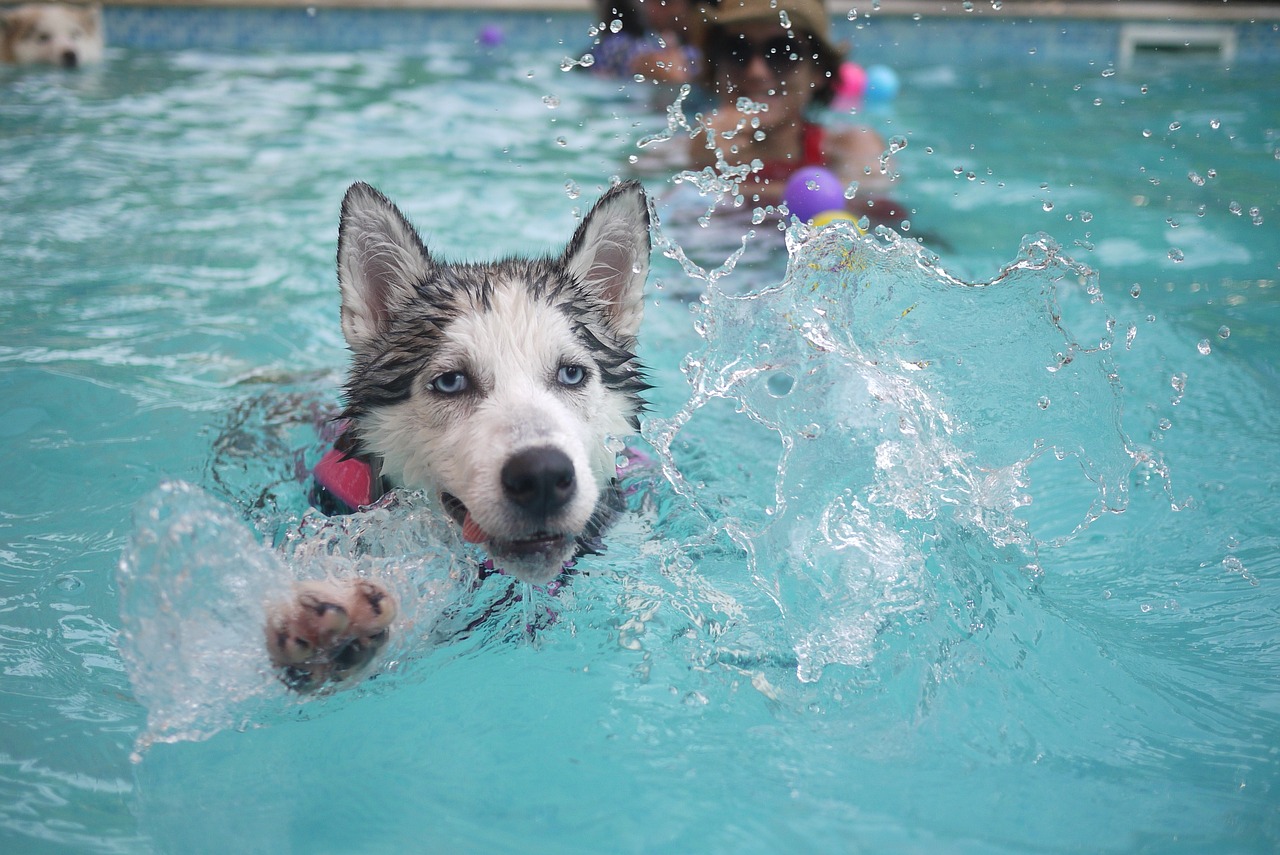
Hydrotherapy is also very common for those animals with joint problems. Since in water we do not carry the weight of the body, this type of physiotherapy for animals is indicated for those whose muscles or bone structure is weakened. The rehabilitator will be in charge of assessing the modality of the swim, the intensity and the time.
Laser therapy or ultrasound are also very often used for the treatment of pathologies. The intensity and depth at which you work will always depend on the degree of the disease and should always be supervised by a rehabilitator.
Canine orthopedic surgery is an increasingly common procedure in dogs with joint problems or trauma,…
Hydrotherapy for dogs has established itself as one of the most effective techniques within canine…
Mobility is one of the fundamental pillars of the quality of life of dogs. An…
Physiotherapy for dogs is a fundamental tool to improve the quality of life of those…
Over the years, our dogs age, and with old age come physical and mental changes…
Anti-inflammatory drugs, called NSAIDs (nonsteroidal anti-inflammatory drugs), are the most commonly prescribed pain reliever in…