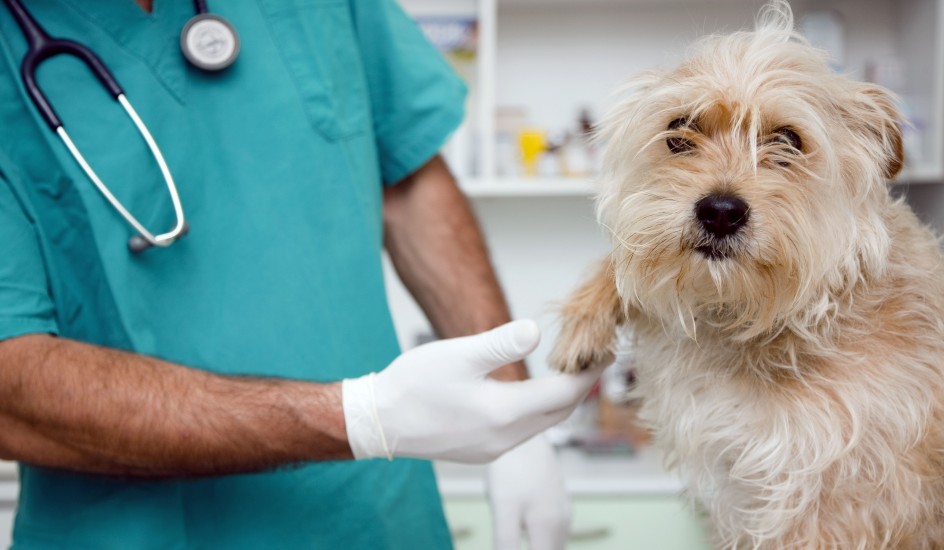
Physiotherapy is one of the recovery therapies that can bring the most benefits when there is an injury. But not just humans. Physiotherapy for dogs is also recommended so that these animals can improve their pathologies. In addition, in many cases, it gives them the extra point they lack to be able to recover completely.
The most appropriate physiotherapy technique for a dog will be different depending on the pathology it has. Among the main ones are, in addition to the classic manual therapy, there is the laser, water baths, magnetotherapy, electrical stimulation or therapy through the application of heat. But when is it necessary to use it?
Generally, physiotherapy in dogs is usually quite beneficial for animals that have undergone an operation. Especially, in those who have gone through an operation related to the bones, either of the limbs or of the spine. Generally, it is only necessary to apply it to adult dogs, since puppies usually recover quickly from their ailments.
Also for animals that have lost muscle mass noticeably in the joints of the legs. And also of the dogs that are getting older, more likely to suffer ailments and pains than the younger animals.
With physical therapy, which began to become popular about a decade ago, dogs can speed up recovery from an operation or their injuries. Also relieve chronic pathologies or wear and tear associated with age.
Thanks to different techniques, dogs that receive physiotherapy will be able to relieve their pains and see how the inflammation of their joints and areas affected by diseases is reduced . It will also improve the flexibility of the muscles and reduce the degree of atrophy of ligaments and tendons. And you’ll also see your recovery period shorten by about 30%.
Physiotherapy sessions for dogs are different depending on the type of treatment that should be applied to them. But in general, they follow common guidelines. Usually, each session lasts between 30-40 minutes and an hour. And depending on the condition of the animal and the estimated duration of treatment, it will have to receive sessions two or three times a week.
In addition to receiving therapy in the consultation of a specialist in canine physiotherapy, animals can also receive manual physiotherapy at home through massages. These sessions can be given by their owner, provided that they have previously received instructions to do so.
This option is the most indicated in case the dog needs a continuous treatment due to the physical wear and tear associated with age. Or when you do not allow the person who is going to apply the treatment to manipulate the area where you feel pain.
To try to avoid the latter, however, it is important that the owner of the dog is present when physiotherapy sessions are applied to the animal. This way you will have more confidence, be more relaxed, and block less access to the area where you feel pain.
Canine orthopedic surgery is an increasingly common procedure in dogs with joint problems or trauma,…
Hydrotherapy for dogs has established itself as one of the most effective techniques within canine…
Mobility is one of the fundamental pillars of the quality of life of dogs. An…
Physiotherapy for dogs is a fundamental tool to improve the quality of life of those…
Over the years, our dogs age, and with old age come physical and mental changes…
Anti-inflammatory drugs, called NSAIDs (nonsteroidal anti-inflammatory drugs), are the most commonly prescribed pain reliever in…