

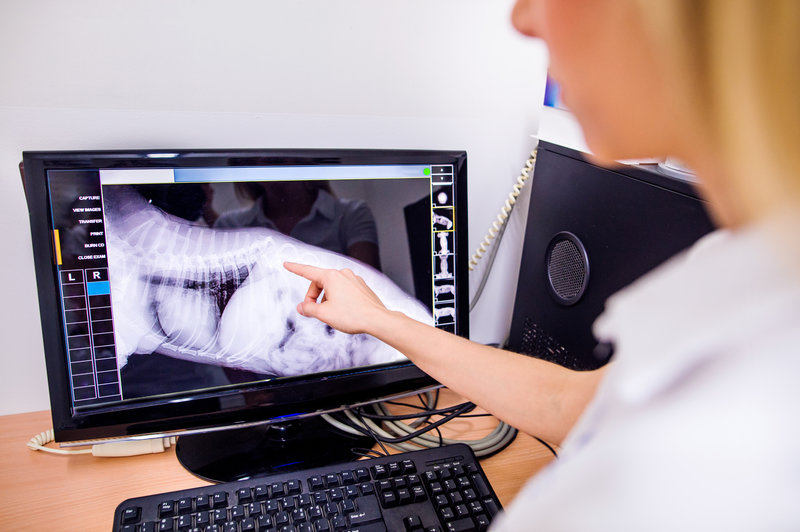
Hip dysplasia in dogs is one of their most common inherited bone diseases. It is not a congenital disease, and there are also no signs that the animal suffers from it when it is born. It develops as the dog grows, and it is not often that it appears in its first three months of life. It is from the fourth or fifth when it begins to make its appearance.
It is a degenerative condition and is caused by a malformation in the joint that joins the hip and head of the femur. It is usually painful and can cause lameness, as well as problems getting the animal to feel properly. As the disease progresses, the dog will move with more difficulty. It will cost you more and more, for example, to climb stairs. In more severe cases, you will even stop running or even walking.
This disease, more frequent in medium or large breeds, can be enhanced by factors such as overweight. It will also be more accentuated if the affected dog gets a lot of exercise. Fortunately, there are several solutions to correct hip dysplasia in dogs. In general, they will vary depending on the severity of the disease when it is diagnosed.
How Do I Know if My Dog Has Hip Dysplasia?
Hip dysplasia is a common condition in dogs, developing as they grow. It mainly affects medium and large breeds. Early signs include lameness and difficulty sitting. As it progresses, the dog may have trouble moving, especially when climbing stairs.
The most common solutions to hip dysplasia in dogs
As we have mentioned, the treatment of the affected animal should be based on the severity of the dysplasia. There are two types: those that try to prevent the disease from progressing and try not to go any further and surgical. The latter are more radical, and more indicated in severe cases.
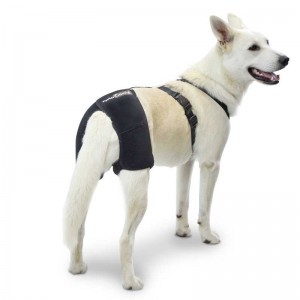 Treatments of the first type, considered conservative, involve administering specific drugs for the progression of osteoarthritis, called chondroprotectors, to the dog. This treatment is long-lasting, and is designed to slow down its progress. In addition, it can be supplemented with anti-inflammatories, analgesics and with a hip support.
The use of a hip support not only makes the dog affected by the disease less discomfort. You will also have less pain, which makes it possible to lower your dose of anti-inflammatories. To this also contributes the monitoring of the diet of the animal, to prevent it from gaining weight.
In more severe cases, or when the veterinarian decides that it is the most appropriate, it is advisable to opt for a surgical solution
Curative treatments for hip dysplasia in dogs
All treatments aimed at curing hip dysplasia in dogs go through the operating room. Of course, they can also be palliative.
Among the curative ones are the triple osteotomy of the pelvis, which consists of its relocation and the replacement of the hip by a prosthesis. This last procedure is similar to that carried out in humans. But, as we have said, there are also palliatives, such as the substitution by exccession of the head of the femur.
Dogs that suffer a severe case of hip dysplasia and cannot walk, or those that are recovering from an operation, can use a
wheelchair
created especially for this type of case. These are devices that can be made to measure in a few days, or supports adjustable to the dimensions of the animal.
With them, dogs with this disease will be able not only to move, but to use them as an aid to recover mobility and muscle tone.
Treatment for Hip Dysplasia in Old Dogs
There are multiple treatment options. The choice depends on the severity of the disease at the time of diagnosis.
Conservative Treatments
Conservative treatments focus on relieving pain and slowing the progression of the disease. Include:
- Chondroprotectors. They help slow down the progression of osteoarthritis.
- Anti-inflammatories and analgesics. They reduce pain and inflammation.
- Hip Support. It provides relief and can reduce the need for anti-inflammatories.
- Weight control. A proper diet is vital to minimize pressure on the joints.
Surgical Treatments
In severe cases, surgery is considered. Procedures can be curative or palliative:
- Triple Pelvic Osteotomy. Reposition the pelvis to relieve pain.
- Total Hip Replacement. Similar to procedures in humans, it replaces the damaged joint.
- Excision of the Head of the Femur. Palliative procedure to improve quality of life.
Post-operative support
Dogs in recovery or with severe mobility difficulties may benefit from specialized wheelchairs. These devices facilitate mobility and help in the recovery of muscle tone.
Ortocanis Editor Team