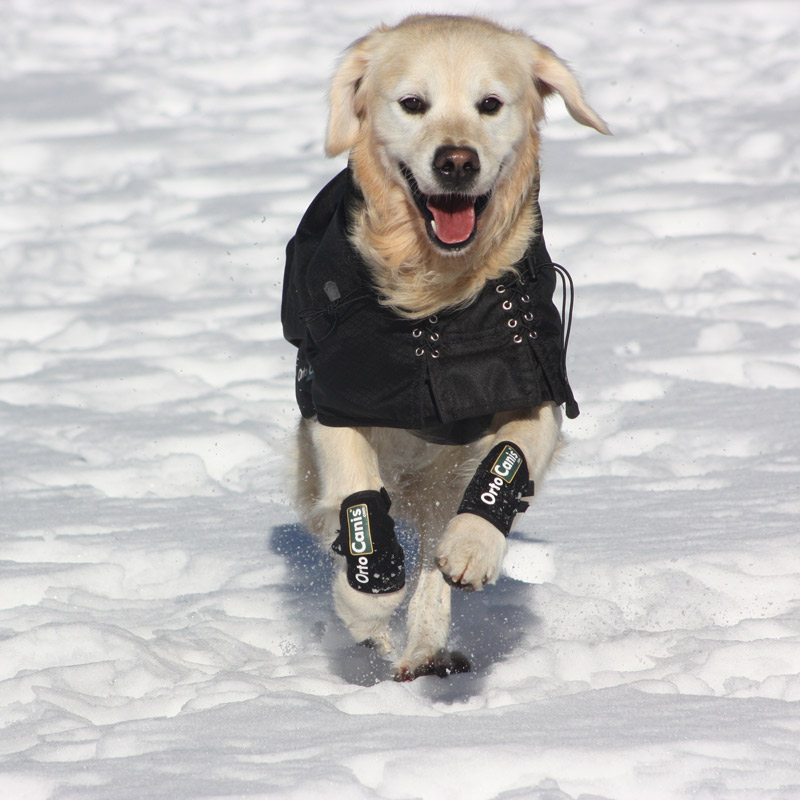
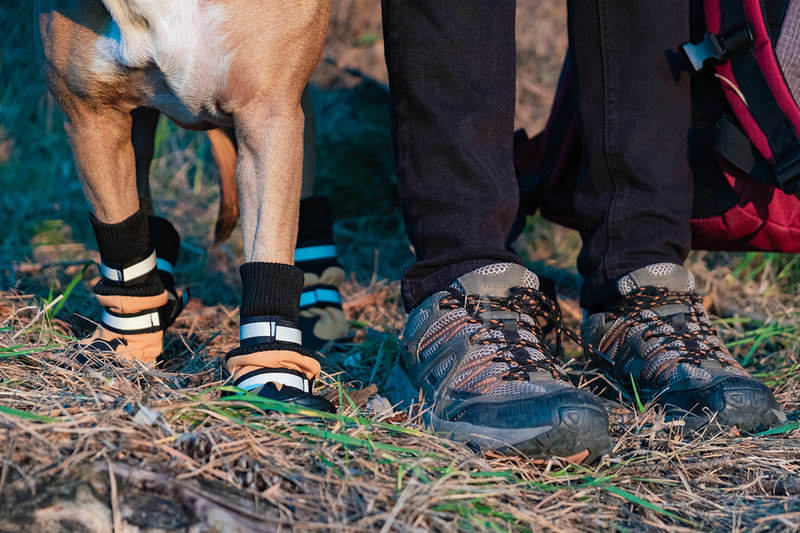
Surely on some occasion you have seen a dog with a kind of shoes that protected its legs. It is not a whim of its owner so that the animal looks like it is wearing shoes. Surely there is a reason for you to wear dog boots . A poorly healed wound, an injury to a foot pad, etc.

But they can also be used preventively to avoid injuries and illnesses . Especially when taking a dog to the mountains or for a walk through rough terrain. Or when there are low temperatures, snow or ice. The use of shoes or boots for dogs protects their paws and avoids problems derived from stepping on them.

Boots for dogs: as an aid in healing injuries

When dogs suffer certain types of injuries, they feel pain when supporting the injured paw. In addition, especially if it is a wound caused by a sharp object , the paw pads are often injured. Therefore, for a certain time they feel pain when stepping on . And the paws are more sensitive when stepping on certain surfaces and can be hurt again.

Botas para perros: para prevenir y curar lesiones

Protecting the injured leg with a boot will prevent many situations in which it could be injured again. The boots can be high and low, with a rubber sole or with a vibram type. In the latter case, it will help you move comfortably (and with better grip) on all types of surfaces.

The boots are indicated for dogs that have some mobility problems . In these cases, they will have to wear boots on all their legs. They are not uncomfortable and are easy to put on and take off, so they are perfect for them. And by wearing them, you will improve your grip level. Precisely, dogs that have mobility problems, mainly due to age or a serious injury, often have stability problems . And they slip.

With the boots they will be able to grip better , they will walk with more comfort and they will avoid falls. In these cases, the most recommended, especially if they move on smooth surfaces, are those with rubber soles .

Boots on uneven or snowy surfaces

Dog boots will also be very comfortable for the animal if we put them on in certain situations. For example, to walk through forests or uneven surfaces . Also for climbs to the mountain. Or when it is very cold or snowing. With them, their legs will not suffer from finding stones or other strange elements. Nor by the action of the cold.

Frost and snowfall leave the ground in conditions that are not exactly the most suitable for dog paws. The cold when stepping on them can dry out their pads , which in many cases can open. This leads to injuries to their legs, and consequent mobility problems. Boots with vibram-type soles have more grip than rubber ones and are more appropriate for snow. However, they can be used on all types of terrain.
Lameness, although we usually relate it to older dogs or that are close to it, the truth is that it can appear at any age. However, it can be due to specific pathologies. Here we leave you the causes of lameness in young dogs.

Why does lameness appear in young dogs?

Lameness is a problem that occurs in dogs very frequently. The origin of this can be found in the bones, cartilage, joints and even the hip. To determine its cause, we will not only have to take into account the age of the animal and its lifestyle, but we will also have to value the presence of certain pathologies or diseases.

Although in many cases the cause can be the same at any age, today we are going to talk about the causes of lameness in young dogs. However, whenever we observe problems walking, it is convenient to go to the veterinarian.

Causas de una cojera en los perros jóvenes

canine panoaestheitis

This inflammatory-type disease is one of the causes of lameness in young dogs. Its origin is found in the bones, especially the humerus. It occurs mainly in large and giant breeds due to their own growth.

Symptoms include weakness and a limp that can alternatively affect both legs. For the diagnosis, an X-ray will be performed that will allow us to see the affected parts inside the bone. It usually disappears when the animal reaches adulthood, so only anti-inflammatories are administered.

Avascular necrosis in the femur

This cause of lameness in young dogs also occurs in humans. The head of the femur is disappearing for reasons that are not fully known. It most often affects small dog breeds, although it also affects some large ones. Usually between four and six weeks of age.

To diagnose it, it will be necessary to observe lameness in young dogs with support and a progressive increase in pain. The kneecap of that leg will be elevated from its normal position. Initially it may be mild but in one or two months it will intensify. An X-ray makes it possible to verify it. The treatment is surgical, and consists of joining the tibia with a band and nails.

hypertrophic osteodystrophy

The third cause of lameness in young dogs comes from feeding. Imbalances in the diet cause abnormal bone proliferation to occur. The limbs swell and fever also appears. It is very painful.

To treat this lameness in young dogs, which are usually large breeds, the diet is modified and anti-inflammatories are administered. It can take months for the problem to be fixed.

Osteochondritis dissecans

The cause of this lameness in young dogs is a crack in the cartilage of the joint. By losing the liquid that is inside, it touches the bone and inflammation occurs. It can appear on the knee, elbow or shoulder, among others. Surgical intervention is usually necessary, in addition to using protections, such as chondroprotectors .

Patella dislocation

The last of the causes of lameness in young dogs is dislocation. Both due to a blow and genetics, the patella moves out of place. It is more frequent in small breeds and the symptomatology is jumping when walking. By palpating the joint it can be easily detected. Depending on the severity of the lameness in young dogs, surgery may be required. If it is mild, anti-inflammatories and chondroprotectors will suffice.

And so far the causes of lameness in young dogs. Remember that blows, accidents or excessive activity can also cause it. In any case, the veterinarian will be the one who can tell us the reason and its treatment.

For some time now, it has become more and more common to find dogs on the street with a kind of coat made of a fabric similar to that of a raincoat and of a certain thickness. It is a thermal coat . With them, the animal keeps its joints warm and does not get cold in winter. Also, if it rains and the coat can be waterproof and they won’t get wet either. In this way, the chances of the animal suffering greater joint pain or catching a cold are reduced.

Of course, as popular as these types of protectors are, it is not recommended that they be used by all dog breeds. Depending on their size, type of hair and skin, dogs retain more or less heat. Therefore, a breed that conserves body heat better will not need a protector unless the climate in which it lives is exceptionally cold, it is elderly or suffers from osteoarthritis or some other joint ailment. On the other hand, it will be needed by those who rapidly lose internal heat, breeds more typical of hot climates or who suffer from some joint ailment.

01_perrocorriendonieveabrigo

Dogs that do need a coat in winter

Short-haired dogs are much more likely to lose body heat . Also those with long but fine hair . So it’s not just Boxers , Dalmatians , Chihuahuas , or Greyhounds that need coats when it’s cold. Also the Maltese puppies or the Shi-Tzu . Otherwise, it is common for the cold to affect them, and that they even tremble, contract respiratory diseases or aggravate the ailments in the case of elderly dogs or those with osteoarthritis.

In these cases, it is advisable to put an open term on them to go outside when it is cold. Generally, there are countless models available in many sizes , in order to adapt to the size of each animal. There are even those specifically designed for certain breeds , such as greyhounds . With them they will not only reduce joint ailments but they will not be cold, they will remain dry when it rains and they will be able to enjoy winter walks to the fullest.

They are also increasingly used in dogs that play sports since keeping them warm before a physical activity will prevent injuries and improve their performance.

Breeds that do not need a thermal coat for dogs

In general, large dogs with thick fur and thick, long hair do not require additional protection from the cold. They are breeds such as the German Shepherd , the Mastiff , the Husky or the Alaskan Malamute . Among his ancestors are the wolves, and his fur still bears quite a resemblance to them. These and other breeds often have a rough coat . Even pointed and tough. It is the layer of hair that protrudes.

Beneath it is another close to the skin, made up of millions of very fine hairs that intertwine with each other. In this way they form a layer that insulates the skin . Thanks to it, the heat takes longer to escape from your body. It is also more insulated from the rains, and if the animal gets wet, the water does not penetrate its skin as easily. Therefore, it is not necessary to put a protective thermal coat on them.

In these cases, what needs to be done for dogs to maintain their body heat is to take proper care of their skin and hair . Unlike other breeds, they do not need to be washed very often. Otherwise, your protection layer may be damaged. What is necessary is to brush them with some frequency to remove dirt and loose hairs that entangle the rest.


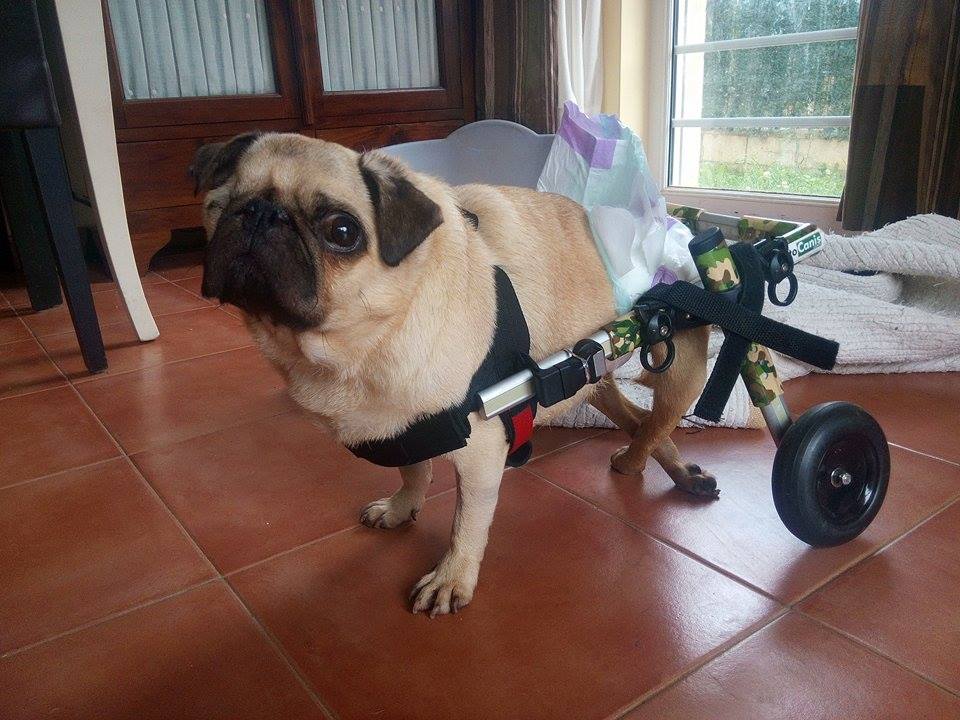
Motor disability in dogs usually leads to other pathologies. Above all, if the problems are in the hind legs, which causes serious mobility difficulties . This causes more problems for them. Among them are ulcers due to lack of movement and bone problems due to forced postures and displacements. Both problems are visible to the naked eye, so it is common to act on them quickly. Others are not so obvious, such as toilet training problems .

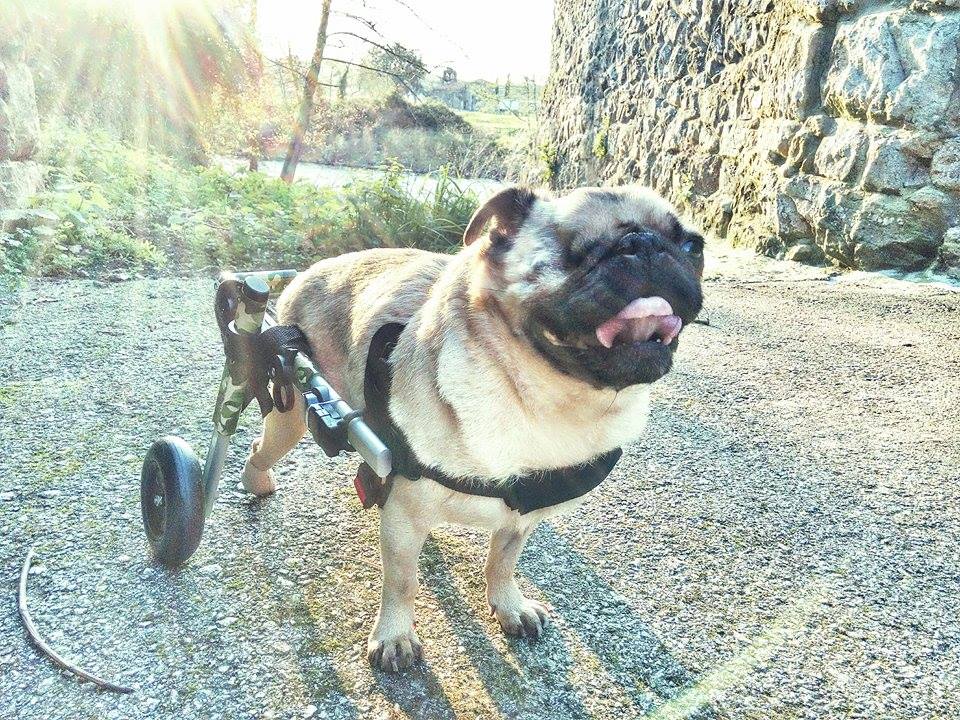
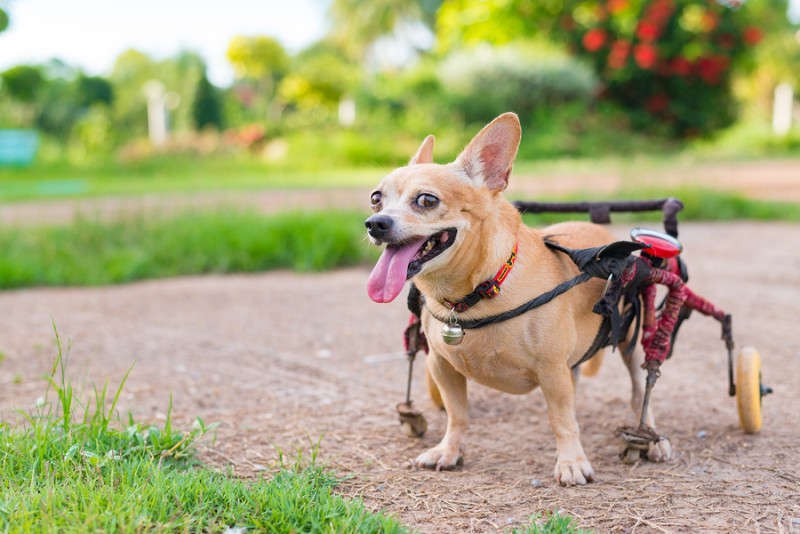
For the first, special care must be provided to the animal’s skin. In the case of bone problems, an adapted wheelchair is the solution. Not only because the animal will be able to move with almost total normality. Also because you will be able to maintain your natural posture. This will prevent bone deformities and spinal problems. But with toilet training problems, since they’re not that obvious, extra precautions need to be taken. What can be done to alleviate the problems that this entails?

marcelino

Problems of sphincters in dogs: hygiene above all

When a dog with mobility problems does not control its sphincters, among other things, it will stop controlling its urine. Also feces. Therefore it is necessary to avoid that their hind legs and the back of their spine are in contact with the droppings . It will be necessary, therefore, extreme hygiene in these areas.

Many dog owners often put diapers on them to avoid escapes or hygiene problems at home. Placing underpads in your bed to collect urine may also work. If the dog is female, special washable panties can be placed on it to prevent dripping. If it’s male, a special anti-drip girdle .

If the dog wears diapers, they must be removed every day for a few hours to avoid skin problems in the areas covered by the diaper. In addition, they must be changed with certain frequency . Generally, it’s good to take them off when you take them out for a walk. But you also have to keep their buttocks very clean. To do this, in addition to cleaning it with soap and water, you can use wet wipes or gauze soaked in physiological serum.

urine infections

When a dog does not have mobility in its hind legs, it can suffer from diseases derived from its condition. Among them, various infections . Of these, the most frequent are those of urine . This is because, due to lack of mobility, your bladder does not empty completely . Therefore, there is always fluid retained inside it, which leads to infection.

To avoid greater evils for dogs with paralysis, you have to be attentive to the appearance of their urine . If changes in color or smell are seen in it, they may be signs of a urine infection. In these cases it is necessary, more than advisable, to consult with the veterinarian to examine the animal.

It will be the one who decides the most appropriate treatment for him. He may even decide to empty his bladder , a delicate procedure that should only be carried out by veterinarians. In cases of recurrent infections, he may advise regular bladder emptying to try to reduce the number of infections.

The skin serves as protection against external aggressions, both to humans and to other animals. When it comes to a dog whose mobility is reduced, it tends to suffer more due to continuous rubbing in certain areas of its body. To prevent it from being damaged, we are going to learn how we can take care of the skin of a disabled dog.

Cómo cuidar la piel de un perro discapacitado

Why does the skin get irritated?

Whether we are talking about dogs with disabilities or one that is not, the skin not only serves to protect their internal structure, but it is also the means they have to relate to what surrounds them.

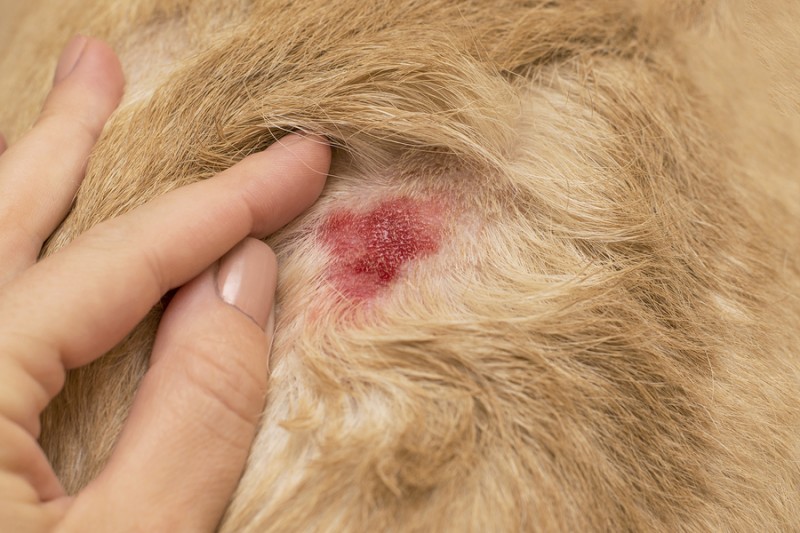
When we spend a lot of time in the same position or there is something that regularly rubs against a specific area of the skin, ulcers and irritation can appear. If we do not take care of the skin, these wounds can worsen, to the point of exposing the bone and becoming infected.

To prevent this from happening, we must learn to care for the skin of a disabled dog. It is simply a matter of increasing precautions and paying attention to this delicate part of the body. Although it is resistant, it also needs protection.

How can we take care of the skin of a disabled dog?

The first thing we must do to care for the skin of a disabled dog is to protect it. This point consists of looking for those elements that do not cause injuries to your body. Specifically, in those parts that are more susceptible to wounds or ulcerations, such as the hips, elbows or ankles.

The harness that we use must have protections inside, so that the part that is in contact with the skin is padded and soft. In our gallery you can see what these types of harness are like. In the event that there is already a wound, we must protect it well to prevent any part of them from rubbing it.

Carrying open wounds is also a risk for other reasons. Flies or other insects can deposit larvae, causing the wound to become infected. Depending on the dog’s disability, you will have more trouble driving them away. If we use diapers, we must remove them when going outside, so the wounds can breathe.

Secondly, to take care of the skin of a disabled dog, we must regularly modify its posture. The parts that stand out the most, and that we mentioned earlier, are more susceptible to injuries, so we must check them frequently. In addition to using creams that help heal, we can move the animal’s limbs as part of physiotherapy at home.

Finally, to take care of the skin of a disabled dog, we must be careful with drag. The legs without mobility will always be supported against the ground, and when moving, it can cause injuries. In addition to wearing protective coats, we can purchase wheelchairs to help you get around.

Taking care of the skin of a disabled dog does not have to be a complicated task. In the same way that we hydrate our skin and avoid damaging it, we will have to do it with our little friend. And if you have doubts, you can contact us and we will help you in any way we can.

There are several factors why a dog may have trouble walking. When evaluating a pathology, we must take into account, among other things, the age of the animal, since on some occasions, such as in elderly dogs, the main reason may be age itself. But what other causes can there be?

Causes of walking problems

Depending on the rhythm of life that our dog leads, it is possible that he will experience localized pain for a few days. Just as it happens to us, excessive exercise can cause tiredness and weakness. This will cause us to have trouble walking.

However, when the pain lasts for more than a couple of days, we should go to the vet. There they will make an assessment and proceed with the diagnosis. Some of the most common causes of walking problems are the following.

Razones por las que un perro tiene problemas para caminar

injuries

In addition to an unseen fracture or torn tendon, walking problems can also be caused by a back or spinal cord injury. This usually appears due to trauma, a stroke or damage to the discs.

When a dog’s spinal cord or spine is inflamed or injured, the hind legs may show signs of weakness or instability. This will inevitably cause problems walking. If our dog has not suffered an accident but is in this situation, we must go to the vet as soon as possible.

degenerative myelopathy

This disease is another reason why a dog may have trouble walking. Especially in adult dogs , the fibers that send signals to the brain for leg movement are gradually being destroyed. The cause is the deterioration of the spinal cord itself.

Dogs with myelopathy do not experience pain, but the disease directly affects mobility. The legs lose strength and the animal is not able to walk normally or stand for long. Currently there is no cure for this disease, but physiotherapy and holistic medicine can relieve symptoms.

Diabetes

Females are more prone to diabetes, which can also cause walking problems. Although some breeds such as Goldens, German Shepherds or Schnauzers are more prone, it can affect anyone.

To avoid diabetes, it is advisable not to give dogs foods rich in sugar. Since they are capable of eating anything, it is very common for many owners to share their food. But we must not forget that some apparently harmless foods that they also like are toxic to them. To determine if diabetes is the cause of walking problems, an analysis is enough.

osteoarthritis

Arthritis and osteoarthritis are other reasons why dogs can have trouble walking. Adult dogs and large breeds are usually the ones who suffer the most from this disease. It usually affects the hip and knee joints, deteriorating cushioning and causing pain.

Some medications in addition to physical therapy can relieve symptoms. Thus, our friend will be able to maintain an optimal quality of life and reduce his problems walking.

The causes of walking problems are wide and varied. In any case, if we observe that our dog spends more than two days without being able to move normally, it is best to go to the vet. The sooner we detect the problem, the sooner we can fix it.

Ortocanis: Ayudas para perros con movilidad reducida

Old age, if we are lucky, is something that affects us all equally, whether we are humans, dogs, cats or any other species. Although each one can have its particular pathologies, the truth is that the diseases of adult dogs are often similar to ours. We leave you what they are and their symptoms so you can detect if they are affecting your friend.

What are the diseases of adult dogs

A dog is considered an adult when it reaches 8 years of age. When it comes to large breeds, it can be even sooner. At this stage, imbalances in health and some pathologies typical of this age begin to appear. Although not all dogs will suffer from them, we are going to find out what are the most common diseases of adult dogs and the symptoms they present.

Although some may have treatments or solutions to help them improve, others are a natural part of the process of any living being and the only thing we can do is support them and continue to love them so that they feel supported.

Las enfermedades de los perros adultos y su sintomatología

osteoarthritis

Osteoarthritis is probably one of the most frequent diseases of adult dogs. It is familiar to us since it also affects humans, and the symptoms are very similar. Bone and joint pain and difficulty in performing certain movements are the symptoms that appear when this pathology progresses.

That is why adult dogs become progressively more inactive and can change their cheerful and playful character. The symptoms are, therefore, an increase in passivity, complaints when making some movements, loss of interest in walking and playing, and even loss of appetite. However, there are many solutions such as slings or knee protectors that can help relieve pressure and reduce pain.

Obesity

Obesity is another of the diseases of adult dogs that occurs more frequently. In addition, it is often linked to osteoarthritis. Excess weight increases the pressure on the joints and the effort they must make.

To prevent this from happening, you have to pay attention to your diet. Excess treats should be eliminated and opt for a senior feed. Nutritional needs vary as well as the total number of calories. Obesity can cause other diseases in adult dogs, such as heart and kidney diseases.

deafness and blindness

Both are also diseases of adult dogs, just as they happen to people. As long as they maintain their sense of smell, dogs can handle themselves quite well. On the other hand, in the case of blindness, if it is about cataracts, they can be operated on. When it comes to degenerative processes there is little we can do. Since it is possible that they move at a slower speed, we should always offer them a good coat to walk.

Kidney diseases

Although there are more, the last of the most frequent diseases of adult dogs are kidney diseases. Nausea or loss of appetite are the main symptoms of this pathology. Although there is no cure, some medications can reduce the discomfort caused. Just like with arthritis.

Diseases of adult dogs are a natural part of the aging process. The important thing is to continue taking good care of the animal, administering the medications it requires and offering therapeutic help to maintain its mobility.

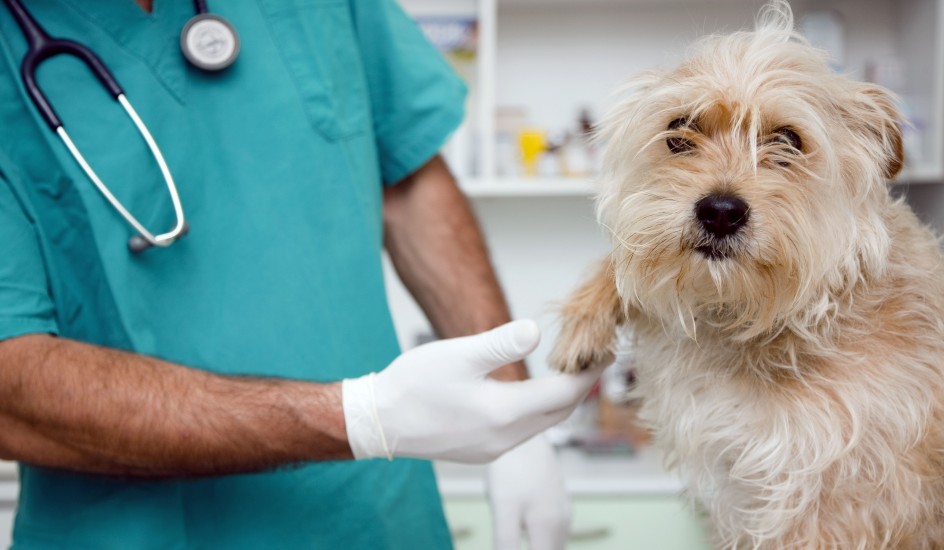
Physiotherapy is one of the recovery therapies that can bring the most benefits when there is an injury. But not just humans. Physiotherapy for dogs is also recommended so that these animals can improve their pathologies. In addition, in many cases, it gives them the extra point they lack to be able to recover completely.

The most appropriate physiotherapy technique for a dog will be different depending on the pathology it has. Among the main ones are, in addition to the classic manual therapy, there is the laser, water baths, magnetotherapy, electrical stimulation or therapy through the application of heat. But when is it necessary to use it?

When to use physiotherapy in dogs

Generally, physiotherapy in dogs is usually quite beneficial for animals that have undergone an operation. Especially, in those who have gone through an operation related to the bones, either of the limbs or of the spine. Generally, it is only necessary to apply it to adult dogs, since puppies usually recover quickly from their ailments.

Also for animals that have lost muscle mass noticeably in the joints of the legs. And also of the dogs that are getting older, more likely to suffer ailments and pains than the younger animals.

With physical therapy, which began to become popular about a decade ago, dogs can speed up recovery from an operation or their injuries. Also relieve chronic pathologies or wear and tear associated with age.

Thanks to different techniques, dogs that receive physiotherapy will be able to relieve their pains and see how the inflammation of their joints and areas affected by diseases is reduced . It will also improve the flexibility of the muscles and reduce the degree of atrophy of ligaments and tendons. And you’ll also see your recovery period shorten by about 30%.

Perro con veterinario

What are the physiotherapy sessions like for dogs?

Physiotherapy sessions for dogs are different depending on the type of treatment that should be applied to them. But in general, they follow common guidelines. Usually, each session lasts between 30-40 minutes and an hour. And depending on the condition of the animal and the estimated duration of treatment, it will have to receive sessions two or three times a week.

In addition to receiving therapy in the consultation of a specialist in canine physiotherapy, animals can also receive manual physiotherapy at home through massages. These sessions can be given by their owner, provided that they have previously received instructions to do so.

This option is the most indicated in case the dog needs a continuous treatment due to the physical wear and tear associated with age. Or when you do not allow the person who is going to apply the treatment to manipulate the area where you feel pain.

To try to avoid the latter, however, it is important that the owner of the dog is present when physiotherapy sessions are applied to the animal. This way you will have more confidence, be more relaxed, and block less access to the area where you feel pain.

Myositis in dogs is one of the canine diseases that most affects their quality of life. Not only because it can affect your ability to move and perform your usual daily activity. Also because it is a very painful pathology that limits them a lot. It is an inflammation of one or more muscles that can affect different parts of the body. Its origin can be multiple, and can be due to wounds and muscle breaks as well as overexertion. But also to the effects of age.

It mainly affects short-haired pets, such as various breeds of dog. It can occur at any age, although it appears more frequently in adult and older dogs. There are three types: eosinophilic, rheumatic and purulent.

Miositis en perros: principales causas, síntomas y tratamiento

Causes and symptoms of myositis in dogs

Myositis in dogs can be due to several reasons. Among them, a muscle tear or a hematoma, both the product of a blow or a fall and excessive physical activity or a jump from a high height. But it can also appear after bearing an excessive load without the animal being prepared for it.

Sometimes it also occurs as a result of hypothermia that a dog can suffer when it is in an environment in which it is excessively cold and without being prepared for it. Then, the muscles have trouble moving, since the cold paralyzes them, and inflammation appears.

When it appears in an older dog, it is simply about the effects of age, which produce various pains and ailments. Or by parasites that nest in the muscles and other mobile areas of the animal’s organism, and cause displacements and erosions.

Obviously, one of the main symptoms that a dog has myositis, in addition to the difficulty of displacement if it affects the legs or the area of the joints and spine, is pain. Affected dogs will have so much pain that they usually won’t want to move (or won’t be able to), and they will moan in pain. They will also refuse to touch the affected area, and even caresses, even if they are soft.

The dog may feel better first thing in the morning after sleeping, but he will already appear tired. And the pain will increase as the day goes by. It is especially indicative of the presence of myositis pain in the area of the pelvis or shoulder, two of the points in which this ailment first manifests.

In addition, myositis presents other additional symptoms. Among them, the difficulties to pose one leg or several, the curved position of the dog’s back , etc. All together with an evident tension in the neck area, product of pain and difficulties in moving, and swelling of the affected area. It can also increase body temperature, and blood appears in the urine. And as a consequence of all this, come decay and loss of appetite.

Treatment of myositis in dogs

When myositis is detected early, and it is a mild form, it will be enough to take the animal to the veterinarian to put an appropriate treatment after finding the cause of the disease. It will usually be fully restored within a couple of weeks. But when it comes to severe myositis or its treatment is postponed, it may take longer to heal, and you may have sequelae.

Among these sequelae are the shortening of the affected muscles, muscle atrophy and the paralysis of one or more limbs. In these cases, in addition to a treatment to eliminate the pain and try to repair as much as possible the damage, the dog may need rehabilitation and various supports to be able to move. These range from a protector for the affected limbs to a wheelchair adapted for more severe cases involving paralysis of the hind legs.

Due to the great veterinary advances, today we can find various solutions for the mobility problems of animals. Whether our friend has suffered from an illness or if we consider adopting, it is possible to take care of a disabled dog so that he enjoys a happy life.

What are the causes of loss of mobility

Although until not too long ago the option of caring for a disabled dog was not valued, today they are given a chance. Thanks to the work of those who fight for their lives, in the market we can find different options to help them improve their quality of life.

But before we move on to the solutions available to care for a disabled dog, let’s look at the causes. In some cases, mobility can recover progressively, but in others, paralysis will be definitive.

  • Diseases or degenerative processes: some pathologies such as canine osteoarthritis of severe type, dysplasia, hernias or degenerative myelopathy, among others, affect the physical abilities of dogs.

  • Interventions: a surgical intervention, a fracture or some accidents temporarily reduce the mobility of the animal. It will be temporary or permanent depending on the severity and damage.

  • Paralysis: being born with a defect or suffering an amputation causes permanent paralysis in the animal.

  • Neurological problems: these types of problems, as well as those of the spine and traumas, usually appear with age or overweight. The solution varies depending on the cause.

Thus, we can distinguish between permanent and temporary paralysis. Depending on the causes, treatment and options for caring for a disabled dog will change. There are different chairs and harnesses on the market to help them. And it is also convenient to use physiotherapy to speed up rehabilitation when possible.

Cómo cuidar de un perro discapacitado

Elements to care for a disabled dog

Caring for a disabled dog is now quite simple given the options we have at our fingertips. Although there are different models of wheelchairs and harnesses on the market, there are those who prefer to build them themselves.

Wheelchairs

Wheelchairs for caring for a disabled dog are usually made in industrial processes. However, there are also handmade models. At present, we find models made in 3D, which are adapted to the measurements of our friend.

Likewise, the chairs are also adapted for the lack of mobility in the front legs (uncommon) and the posterior legs. And there are wheels for rehabilitation and integral, if mobility is reduced.

Harness

Harnesses are also used to care for a disabled dog. They are indicated for the loss of mobility, for the paralyzed or when there is a disability. Thanks to their design they allow us to support the weight of the hind legs, front legs or both.

For greater comfort when caring for a disabled dog, there are also variants with restraint on the vine. The range of types of harnesses is very wide and we will have to look for the one that best suits.

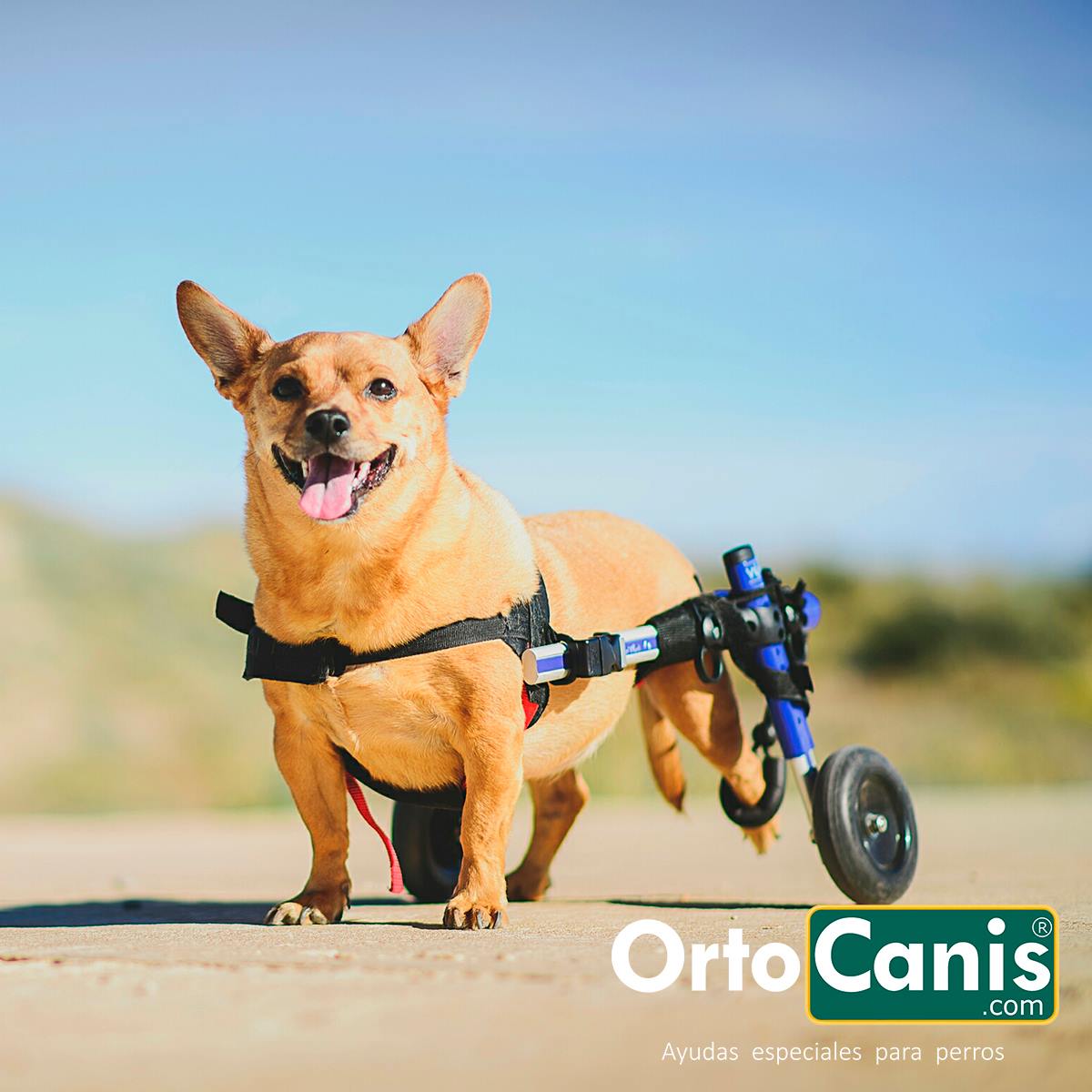
In Ortocanis you can find different models that adapt to the different pathologies of the dog. If you have questions, you can contact us and we will help you choose the right one. You can also read the experience of other buyers. Caring for a disabled dog is giving life a chance.