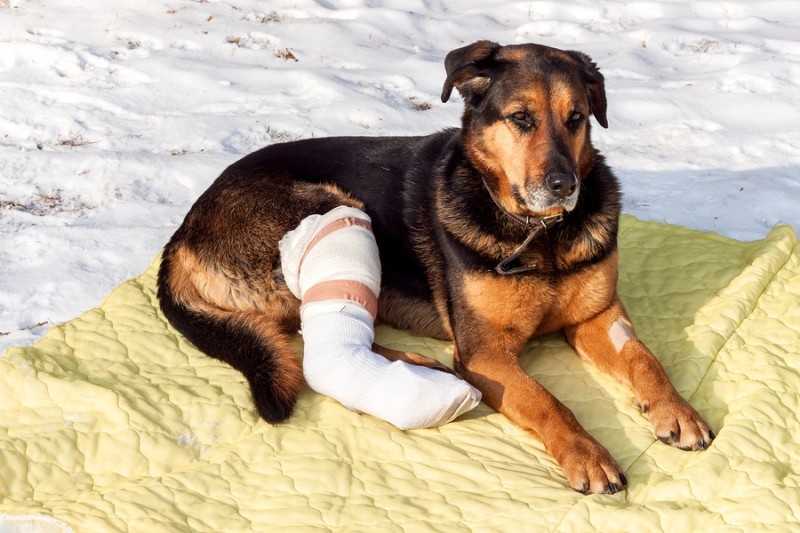
Dogs’ paws are one of the most vulnerable areas of dogs. On the one hand, they are in direct contact with the ground and can suffer injuries. They are also exposed to blows or bad footsteps. And of course, they can suffer a problem in the legs, or injuries from sprains, bad footsteps, etc. Or simply, due to the effect of age.

Therefore, it is advisable to check your limbs carefully from time to time. You also have to be aware of any change in behavior. If, for example, a dog that is very active suddenly becomes sedentary, or if it changes other behaviors, it is necessary to find out why. To do this, apart from ruling out other pathologies, it is necessary to check their legs.
Cómo detectar una enfermedad o problema en las patas del perro

How to detect a problem in the paws of a dog

Sometimes, if a dog has a paw problem it is quite obvious. Suddenly they start limping, or they don’t want to walk. Or he gives them to lick their paw insistently. Or for giving the feeling that they bite it. So, it’s clear that something is happening to them.

But sometimes, what happens to them is not so obvious. They may be upset, but it is not clear where the problem may be. In that case, when the dog is comfortable, a careful inspection of its paws can be carried out. In these cases, you have to be careful when doing so, so as not to harm it.

How to examine a dog’s paws

To check a dog’s paws for problems or injuries, it is best to start with their pads. Because they are in contact with the ground, they are some of the parts most susceptible to problems. When walking, you can stick something to the dog in them. Or make a small wound, which at first glance is not appreciated, but that can later lead to a more serious problem in the legs. You may also have cracked pads, or a cyst.

After checking the pads and the area around them, if there is no problem in them, you have to check the legs. To do this, it is necessary to carefully feel each of them. In this way you will be able to appreciate strange lumps. Also blows that can cause pain. If so, the animal will react when it feels it, and will try to remove the paw. Hence the review with care. To avoid causing you more pain.

What to do when there is a problem in the legs

Whenever it is detected that a dog has a problem in the legs, it is necessary to go to the veterinarian. Even if it is a wound, because if it does not heal well or becomes infected, it can degenerate into a larger problem. Therefore, it is advisable to consult with a specialist. And do it, in addition, without wasting time. If you wait to go with the dog to a consultation, the problem can be aggravated.

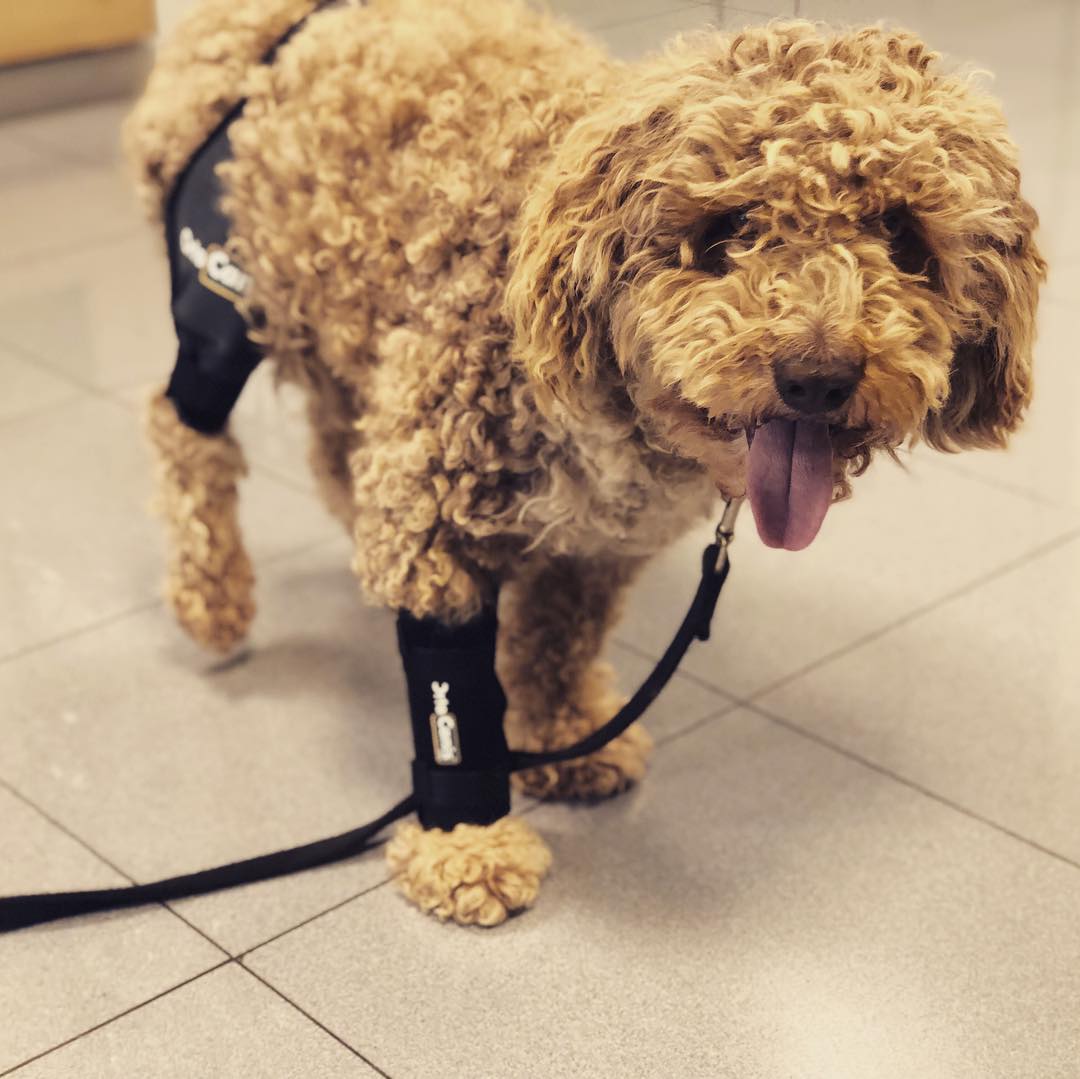
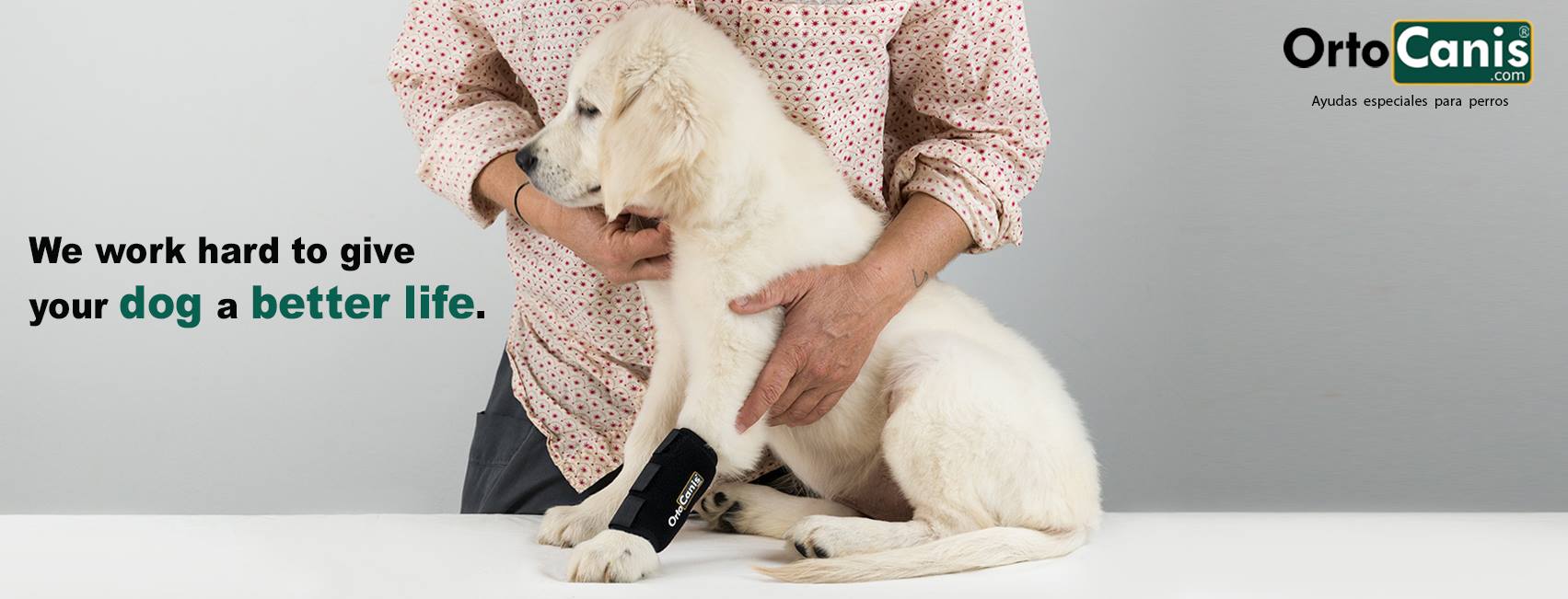
The veterinarian shall examine the animal and decide on the most appropriate treatment in each case. From a wound cure to a small surgery. You can also indicate if it is necessary to protect any areas of the affected legs. For example, with a carpal stand. Or, after surgery, with an orthopedic splint. In any case, you should always follow the guidelines indicated by the specialist.
 

Physiotherapy for animals: accelerates their rehabilitation

Animal physiotherapy is a group of therapies and techniques that help us accelerate the rehabilitation of our friends. Recommended for a wide variety of injuries and pathologies, it is becoming a great ally for recovery.

What is physiotherapy for animals

As for humans, physiotherapy for animals is a technique that serves both for the prevention of injuries and for the rehabilitation of them. In addition, due to the wide variety of options, it is able to treat different musculoskeletal pathologies.

It has been shown that physiotherapy in animals is able to cure various conditions. With the reduction of pain, inflammation and swelling, the body is more prepared to rebuild muscle strength and thus regain lost mobility. The recovery process is reduced when these therapies are used.

Physiotherapy for animals is aimed at three different categories. On the one hand, small animals, such as dogs and cats. Secondly, large animals, such as horses. Finally, exotic animals, such as those who participate in circuses or who live locked up in zoos, in which their physical condition is seriously damaged.

Benefits of physiotherapy for animals

Physiotherapy for animals should be carried out when indicated by a veterinarian. It is a complementary therapy that needs to be supervised. Some of the benefits obtained with this treatment are the following:

  • Improved quality of life when mobility has been lost due to some type of injury or degenerative disease

  • Slowing down of the processes that damage and degenerate the musculature and bone structure of the animal. Also helps treat muscle spasms

  • Increased performance and improved treatment for musculoskeletal injuries

  • Improved energy and vitality

  • Reduction of pain in muscles, tendons, ligaments and joints that have suffered ruptures and optimization of fracture repair

physiotherapy for animals

How are the physiotherapy sessions in animals

Physiotherapy in animals covers different treatments. The duration of these sessions is between an hour and an hour and a half depending on the technique used. These can be passive or active depending on the objective we have.

One of the techniques used is massage. In addition to reducing muscle tension and pain, endorphins are released and stress is reduced. Physiotherapy in animals not only improves physical condition, but also helps the emotional picture.

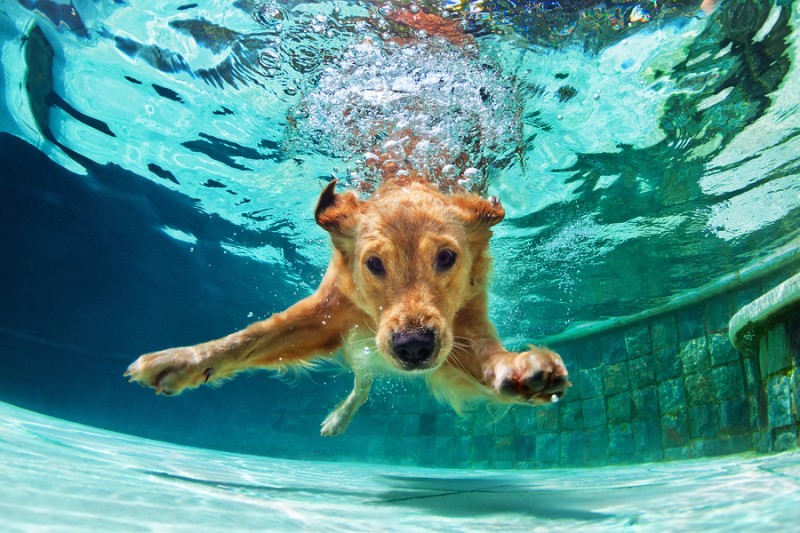
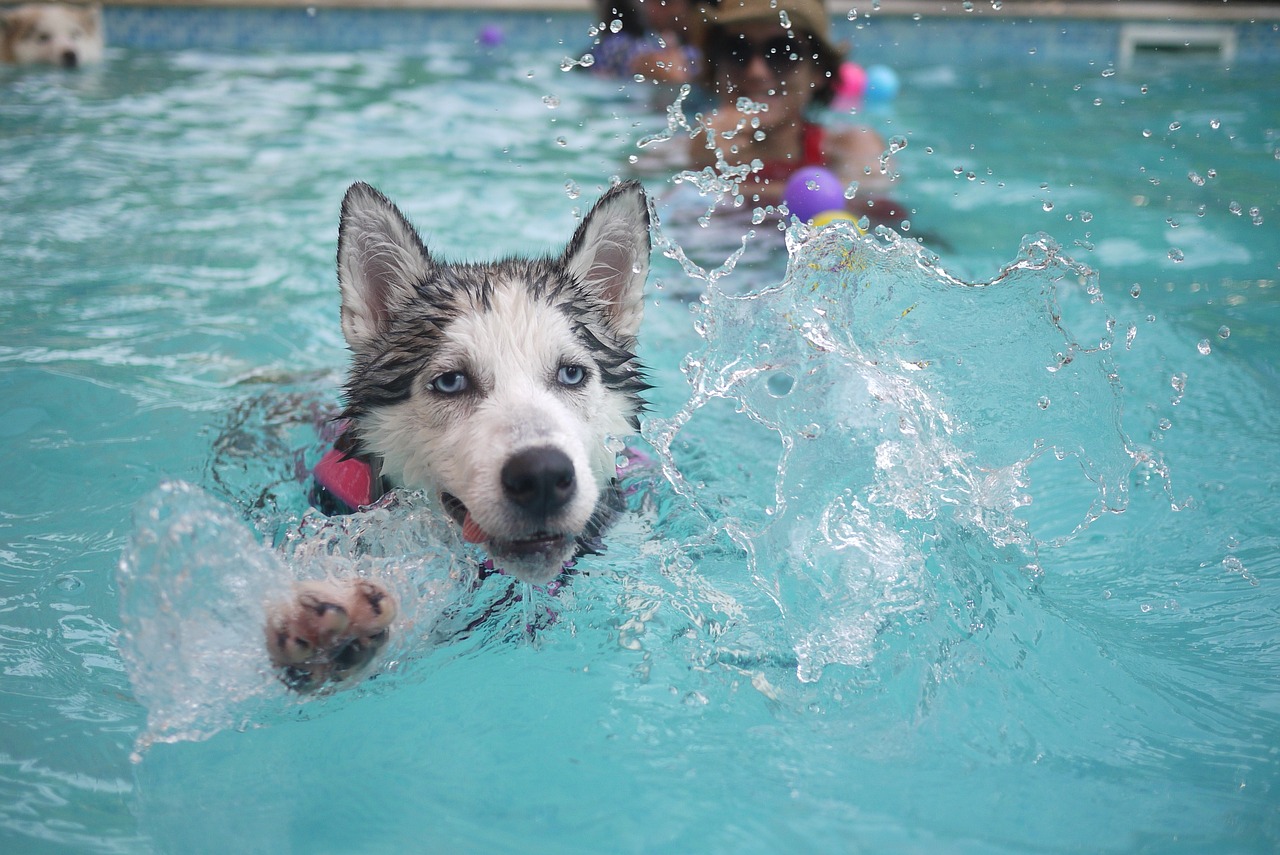
Hydrotherapy is also very common for those animals with joint problems. Since in water we do not carry the weight of the body, this type of physiotherapy for animals is indicated for those whose muscles or bone structure is weakened. The rehabilitator will be in charge of assessing the modality of the swim, the intensity and the time.

Laser therapy or ultrasound are also very often used for the treatment of pathologies. The intensity and depth at which you work will always depend on the degree of the disease and should always be supervised by a rehabilitator.

Physiotherapy for animals as part of rehabilitation can greatly improve our friend’s recovery process. In our store, you can find massagers and hot and cold therapies that will help you achieve these goals.

Elbow bursitis is a more frequent ailment than we think in dogs. Especially in those that have medium or large size and short fur. It is nothing more than an inflammation of the bursa in which the synovial fluid of certain joints is located. Specifically, those that have a gap between the bones they join. It is in it that this bag is located, which wraps around the joints. Almost all joints in the body of humans and animals are of this type, such as the knee or elbow. And it is in the latter that elbow bursitis is most often given in dogs.

Cómo detectar y tratar la bursitis de codo en los perros

Elbow bursitis in dogs: diagnosis and treatment

The appearance of bursitis in the elbow of a dog’s paw spontaneously is quite rare. It will usually appear after a strong blow to the area. Or after a light blow but that the animal is given continuously. When it occurs, it is quite evident that something happens to the animal. The joint begins to become inflamed and the animal has trouble walking and moving it. In addition, he begins to have pains.

Logically, the earlier it is detected, the less gravity it will reach. To do this, it is advisable to explore the dog’s paws with some frequency and, before any strange lump in its joints, go to a veterinarian. He will examine the animal and prescribe the most appropriate treatment.

This treatment will be different depending on several variables. Among them, the state of bursitis, as well as the presence or not of certain complications. For example, from an associated infection. Usually, it will be enough to put a bandage on the affected limb. You may also advise the use of an elbow orthosis to reduce it.

In cases where there is infection, it will also be treated with antibiotics. If it is advanced, it may need to be drained, using a fine needle. And if it is a severe bursitis, it will be necessary to perform a surgical intervention to reduce it.

How to avoid the appearance of bursitis?

To prevent as much as possible the appearance of bursitis, repetitive blows should be avoided. Against the abrupt and strong little can be done, but at least the others can be tried. For example, those that can occur when lying on the ground. To avoid them, a soft surface can be placed where the dog usually lies down.

Obviously, if it is done suddenly, the dog will reject it. Especially if you are an adult and not used to it. Therefore, the sooner you start getting used to sleeping on a cushion of those used as dog beds, the better. If possible, it should be started when the dog is still a puppy. This will make it easier. If you do not accept it, you can try it by placing a soft carpet where you are used to lying down.

It is also advisable to avoid, as far as possible, that the dog lies on the asphalt. Also on the ground if there is no grass or grass on it, since being hard and presenting an irregular surface, it can damage the elbows and lead to bursitis.

Our friend’s health care doesn’t start when he starts to deteriorate. Throughout his life we must take measures so that in his last stage he can enjoy good health. To do this, we leave you some tips to strengthen the joints of a dog.

Cómo fortalecer las articulaciones de un perro

What are the joints of a dog

Joints are a structure that functions as the union of two bones. These are composed of various parts: the capsule, cartilage, synovial membrane, tendons and ligaments, mainly. Each type of joint varies from the others.

All of them are what allow us mobility, therefore, when they begin to deteriorate, movement is reduced and pain is experienced. Their wear prevents them from absorbing the impact when moving. For this reason, it is convenient to strengthen the joints of a dog since it is healthy. This will prevent them from degenerating precipitously and causing discomfort.

Below we are going to know some tips that will help us strengthen the joints. Following them throughout their lives, we will be able to improve the quality of it. As the saying goes, prevention is always better than cure.

Tips for strengthening a dog’s joints

With these simple but effective tips we will be able to strengthen the joints of our dog and improve their overall health. Start putting them into practice now and don’t wait until it’s too late.

Control weight

The main reason why the joints suffer is excess weight. This overload weakens them and increases the pain felt when they wear out. Therefore, to strengthen the joints of a dog, we must control its feeding.

As with humans, the metabolism slows down with age, so as this progresses, we must reduce the caloric intake. If we are used to also giving it our food, we must bear in mind that although it is a whim, it also increases the total calories it ingests.

Improves your diet

Although feed preparations contain all the necessary nutrients, sometimes it is convenient to take supplements that help us strengthen the joints. Especially when it comes to dogs of advanced age or susceptible to suffer this type of pathologies.

L-carnitine and omega 3 and omega 6 fatty acids are very important for strengthening joints from within. Protein-rich foods, such as meat or fish, help nourish the collagen found inside them.

As far as oils are concerned, coconut, flaxseed or Krill are very good for strengthening joints. Check with your veterinarian or at your pet store if you have questions about which foods to choose.

Exercise frequently

The fact that dogs are domesticated and accustomed to living in houses, does not mean that they can have a sedentary life like many people. Animals need to walk several times a day and perform activities such as running and playing. Not only will they feel happy, but it will also help strengthen the joints.

If we keep our dog in shape from a young age, his muscles will be stronger and will be able to better support the joints. When your age is older, your activity level will be milder, but you will also enjoy running. Remember that strengthening the joints will save us many future problems.

With these simple tips we can make an important difference in the health of an animal. Strengthening our dog’s joints is practically an obligation as owners. In addition, the hours of play will improve the bond between the two.

One of the most delicate points for the health of a dog is its paws. The presence of injuries in them will not only make it difficult for them to move. They can also affect your health in the long run. Therefore, it is necessary to take care of the canine limbs to avoid and prevent, as far as possible, the main problems on the dog’s paws. It will be enough to follow some simple guidelines.

Some enemies of the dog’s paws

In addition to the occasional blows that can cause injuries to dogs on the legs, there are several enemies that undermine their health. One of them is age. Just as it happens to humans, as dogs get older their health is suffering. When a dog is already a few years old, its joints are resented. They are no longer as elastic or strong as before. Therefore, they will have to be monitored carefully.

To do this, it is advisable to feel their legs carefully from time to time, and check that they do not have points where they have pains. You also have to watch that they walk well. And when in the slightest doubt, go to the veterinarian. In this way, if the dog has an injury to its paws or hips, it can be diagnosed at an early stage and treated appropriately to improve the quality of life of the animal.

Another of the enemies of the dog’s paws is overweight. If it is already combined with age, the suffering that both factors cause in the dog’s paws can be quite large. Luckily, it can be avoided and controlled better than the effects of age. It is enough to take care that the animal exercises sufficiently and appropriate to its age and condition. And if you still have a tendency to gain more weight than you should, it is advisable to take care of your diet and change it if necessary. This will avoid damage to their legs due to an excess of kilos.

Cómo prevenir problemas en las patas del perro

How to care for dogs’ paws

In the care of the legs of dogs should not neglect any of their parts. Something that in principle may seem as unimportant as the pads on which it rests must always be as careful as possible. Thus, you have to periodically trim the hair that appears in them. It is also necessary to ensure that they remain clean to avoid injury.

Also do not forget about the nails of dogs, which also need a “manicure” from time to time. In these cases, it is best to take them to the veterinarian to see what kind of care they need or to a specialized establishment to have them cut and filed. If you dare, you can get a specific nail clipper for dogs, about which you can ask the veterinarian, and cut them yourself.

It is also necessary to try to prevent the animal from walking on very cold surfaces, such as ice, without protection. Therefore, if you take it to the snow, something that for many breeds originating from cold climates is a pleasure, you must protect their legs with special boots. Or, if your dog doesn’t tolerate them, apply protective wax to his pads. And after the exit to the snow, check their pads to prevent ice from sticking to them. The same happens with the heat, so you have to avoid walking in summer on very hot surfaces, such as the sand of the beach.

When a dog gets older, its needs change. Also the care that we must give them so that their life remains full and of quality when they become senior dogs. Therefore, from a certain age, ailments can begin. And sooner than you think. Usually, each year of a dog’s life is equivalent to seven of a human. So it doesn’t take long until a dog enters middle age. Of course, first of all, you have to know when a dog can be considered senior.

Senior dogs: at what age do they become so?

In general, a dog can be considered to be seniorified during the last quarter of its life. In addition, small and medium-sized dogs become senior later than large ones. Usually, larger breeds become senior dogs by the age of seven or eight. Sometimes, a year earlier. It all depends on its size, because the larger the breed of the animal, the sooner it will be considered senior.

Meanwhile, dogs of smaller breeds begin to be considered senior around 9 or 10 years, and their life expectancy is also longer as they are smaller breeds.

Rodillera para perro

What distinguishes a senior dog

First of all, a senior dog is in no way synonymous with a sick dog. Rather it will be a dog that has entered maturity. Therefore, it has many advantages. It is an animal with some experience. In general, it is already taught and is calmer than puppies and young dogs.

Of course, this does not mean that it has become an animal that does not perform activities. It only implies that he will not be as fond of adventures as before, and that he begins to like to follow certain routines.

What care to give to senior dogs

With the maturity of a dog, the first ailments begin to appear. It also becomes necessary to start monitoring your health more carefully. Thus, it will be convenient to take you from time to time to the veterinarian for a check-up. It is the best way to control the problems that may appear in your teeth, in your fur, your vision, etc. Also to detect diseases associated with the wear and tear caused by age.

On the other hand, you have to take care of your diet to avoid overweight, which increases in senior dogs due to the reduction in physical activity associated with age. Senior dogs that are overweight may suffer from various joint ailments more often. In these cases, the dog’s knees can suffer the consequences. This, added to the fact that with maturity the joints of animals can become inflamed and osteoarthritis appears, can cause walking problems and pain.

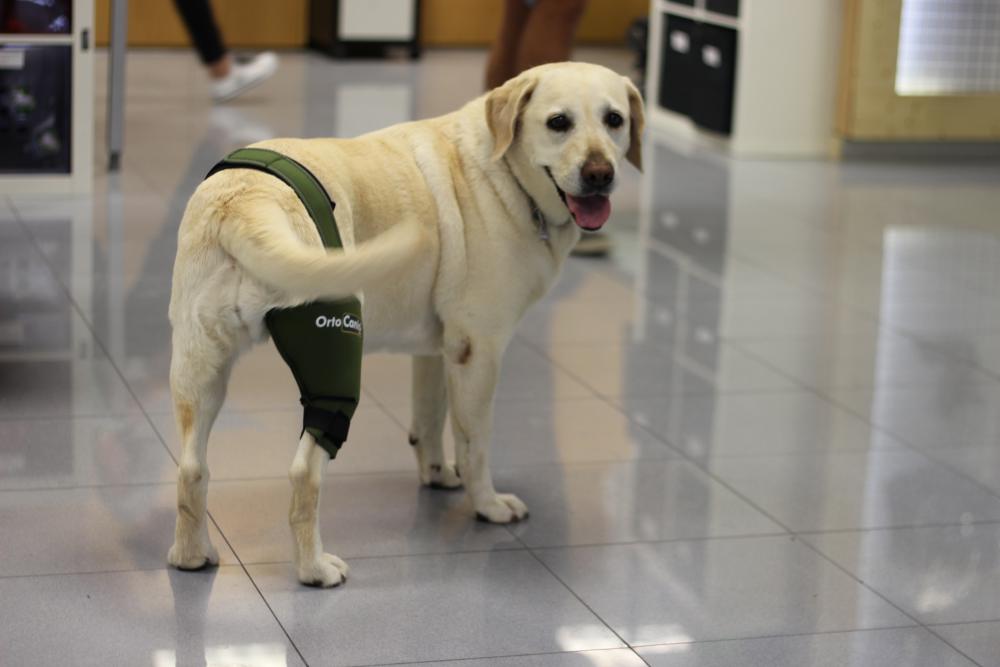
Despite all the weight and medical checks, there are times when osteoarthritis cannot be prevented from appearing. In this case, in addition to following the treatments recommended by the veterinarian, you can help him feel better with a knee protector for his affected limbs. Or if osteoarthritis affects their hips, with a special harness for them. With it you will have more stability when it comes to moving.

Animals function similarly to people. They suffer from diseases like us, their joints degenerate over the years and their mobility is reduced while experiencing pain. Today we are going to know how to detect osteoarthritis in dogs.

Cómo detectar la artrosis en los perros

What is osteoarthritis and when it appears

A joint is the union that exists between the bones and that allows us to move the way we do. The ends of those are covered by a protective cartilage, responsible for giving softness to the movements and protecting from impacts.

When this cartilage begins to lose or weaken in its structure, we say that osteoarthritis appears. This is, therefore, a chronic and degenerative disease that affects the joints, and that in some cases can be congenital. Consequently, pain appears and mobility is progressively lost. These are some keys to detect osteoarthritis in dogs.

As happens to people suffering from this disease, changes in the weather generate discomfort. Thus, cold, humidity or very high temperatures aggravate the symptomatology.

In elderly dogs it is common for it to appear. Unlike in young dogs, the cartilage has lost nutrients and decreases thickness and flexibility. However, trauma or blows to the joints can also favor their appearance. The difference in detecting osteoarthritis will be that in one case it will be general while in the second it will be localized.

How we can detect osteoarthritis in our dog

Whether young or old, we should always pay attention to the mobility of our dog. Any change that is perceived in time will be easier to correct or deal with than another that is allowed to advance. Detecting osteoarthritis from its early stages will help us prolong the mobility of the animal.

Problems with stairs

If your dog has begun to refuse to go up or down stairs, you may have just spotted osteoarthritis. This type of movement involves an impulse or a load of one’s own weight that, in the case of suffering from weakness in the joints, can be an important effort.

Slouching

Another way to detect osteoarthritis is by slouching. The reduction in movements makes it expensive to stretch completely. In this way, the limbs or spine may begin to curve excessively.

Lack of energy

If it is time for the walk or you propose to your dog to play and no longer responds with the illusion of before, you have before you another symptom to detect osteoarthritis. You will most likely have a hard time getting up or making sudden movements.

Lameness

Intermittent lameness also helps us detect osteoarthritis. A limp that comes and goes may be due to a joint that begins to lose strength. If you also complain when we touch it or prevent us from doing so, you are likely to feel pain.

If you think you have been able to detect osteoarthritis in your dog, go to your veterinarian as soon as possible for a radiological study. Although it is a degenerative disease, there are many treatments to prolong its mobility.

Dogs that undergo an operation have to go through a period of rest and care to return to their normal lives. Therefore, the
recovery of dogs
requires special care that in many cases depends on the type of operation they have undergone.

Regardless of this, a series of guidelines to follow will have to be taken into account when the animal leaves the veterinarian and arrives home. This way you will be more comfortable and your recovery will be more bearable

Rodillera para perro

What to do to help dogs recover after an operation

While the dog is still in the veterinary clinic, it is advisable to accommodate its rest area according to its condition. It is convenient to keep it especially clean and ventilated. And as quiet as possible so that the animal can be relaxed and smooth.

During the first days, and depending on the severity of the operation, it is convenient that you do not do much exercise. You just have to go out to relieve yourself. And in these cases, you don’t have to let him walk away.

You also have to be very careful of your wound, and prevent it from licking it. Although in many cases, a dog licks a wound is good, if it has stitches it is not advisable. He could remove them ahead of time, and the wound would open. So, if the animal begins to lick the wound of the operation, everything possible must be done to avoid it.

The simplest way is to place a necklace around his head, shaped like an open bell. This collar, made of transparent plastic, prevents him from doing so, and is annoying for the dog. However, it is the best way to avoid problems with wounds.

You also have to remember to give him the medication that has been prescribed. And make him drink plenty of fluids. Above all, in the hours after the operation, so that it expels the anesthesia.

Wound cleaning

In addition to certain medication, the veterinarian will recommend to the owner of the operated dogs how to take care of the wound. Above all, how you have to clean it to avoid infections.

In general, an antiseptic solution should be used for this purpose two or three times a day. And carefully monitor the wound so that there are no problems. Of course, before any alteration that presents, you have to go to the veterinarian to rule out problems.

External aids in limb operations

Operations on the limbs are some of the most annoying for dogs. Not a few, in addition, take a long time to heal. And some even require specific rehabilitation so that the animal can regain mobility in it. As long as, of course, the wound is already completely closed and healed.

In these cases, the dog may need some kind of support or protector not only to avoid harming himself. Also to be able to have more firmness in the use of the affected leg. For example, in the case of bone fractures, it may be advisableto put a splint on it. Or simply, a protector or a support, which can be knee, carpal, tarsus, hip, etc. With them, the dog will feel safer when moving.

De igual modo que les sucede a los humanos, los perros también pueden experimentar dolor y malestar por múltiples motivos. Puesto que ellos no suelen quejarse, debemos saber cómo identificar el dolor para poder llevarles al veterinario.

Cómo identificar el dolor en los perros

Cómo podemos identificar el dolor

Muchos perros no exteriorizan su malestar. Por tanto, hay que prestar atención a su comportamiento para darnos cuenta de si les pasa algo. Si nos fijamos en los detalles, podremos identificar el dolor que estén experimentando y tomar medidas. A continuación vamos a conocer varias señales que pueden esconder un problema.

Se esconden

Cuando los perros sienten miedo tienden a esconderse. Esto lo hacen para refugiarse en algún sitio tranquilo en el que se sientan a salvo. También, cuando se encuentran mal, utilizan este recurso, como medio para descansar y soportar mejor la enfermedad o recuperarse de lesiones. Aunque también se debe a un instinto que les hace protegerse de los depredadores cuando se encuentran débiles.

Así, si observamos que nuestro perro se está escondiendo bajo la cama o los sofás, es una señal para identificar el dolor. Si no hay ruidos externos atípicos ni visitas en casa, puede ser un buen momento para llevarle al veterinario.

Pérdida del apetito

Dicen que cuando el cuerpo está enfermo solicita menos comida para centrarse en combatir el virus que lo ataca. Los perros también muestran este comportamiento, por lo que es una ayuda para identificar el dolor o malestar.

Cuando no se superan las 24 horas sin comer no se considera grave. Sin embargo, es conveniente que el perro se mantenga al menos hidratado. Si esta actitud de inapetencia persiste y no logramos identificar el dolor, debemos acudir al veterinario.

Cojeras o dificultad para andar

La señal más evidente para identificar el dolor en los perros es la cojera. Cuando algo les duele o molesta pisan con dificultad o levantan una de las patas. No obstante, puesto que su resistencia es bastante fuerte, hay que observarles con regularidad. De lo contrario, una cojera leve podría pasar desapercibida y no podríamos identificar el dolor.

Una cojera puede deberse a que han pisado algún objeto pequeño y se les ha quedado entre los dedos, se han cortado o se han hecho una lesión más grave como un esguince o una fractura. En estos casos será el veterinario quien haga el diagnóstico.

Aumento del sueño

Otra señal para identificar el dolor es el aumento de las horas de descanso. Hay ciertas épocas, como los cambios estacionales, en los que podemos necesitar dormir más. Pero cuando esta actitud persiste y afecta a su interés por el juego e incluso los paseos, hay que preocuparse.

Podemos probar a darles otros estímulos y así identificar el dolor en caso de que exista. Si continúa sin responder lo más recomendable es llevarles al veterinario para que determinen allí qué les sucede.

Gemidos y ladridos

Otra de las señales más evidentes para identificar el dolor en los perros son sus propias quejas. Aunque no es lo más frecuente, algunos pueden lloriquear o gemir para llamar nuestra atención. Por otra parte, pueden ayudarnos a localizar la molestia, ya que al palpar la zona dolorida probablemente se quejarán.

Para poder identificar el dolor en los perros tenemos que volvernos observadores. De esta manera, ninguna molestia pasará desapercibida y podremos tratarles con rapidez. Recuerda que cuanto antes localicemos un problema, mayores serán las probabilidades de recuperarse correctamente.

Ayudas para perros con artrosis

Cuando hablamos de fracturas sabemos que hacen referencia a un hueso roto. Sin embargo, no todas las fracturas de hueso en los perros son iguales ni resultan tan evidentes como pensamos. Aprende a detectarlas y a darles el tratamiento adecuado para acelerar la recuperación.

Cuáles son los tipos de fracturas de hueso en los perros

Las fracturas de hueso en los perros se agrupan en diferentes tipos en base a sus características. De este modo, podemos distinguir entre las cerradas, las compuestas, la fractura epifisiaria y las que son en tallo verde.

Cuando se trata de una fractura cerrada, la piel se encuentra en estado normal. Es decir, no, aunque hay una rotura, no hay señales en la superficie de la zona afectada. Sin embargo, las fracturas de hueso en los perros compuestas sí que presentan una rotura también de la piel, a través de la cual aquel sale hacia el exterior.

Estas fracturas de hueso en los perros presentan un riesgo muy alto. Al sobresalir, está en contacto con gérmenes del exterior, lo que pude dar lugar a una infección. Puesto que nos permiten detectarlas fácilmente, debemos acudir al veterinario de inmediato.

En cuanto a los otros dos tipos de fracturas de hueso en los perros, las de tallo verde con pequeñas fisuras. Esto es, el hueso no ha llegado a romperse. Y las epifisarias son las que se producen en zonas de hueso blanda en perros que aún están creciendo. Se les llama placas de crecimiento y son las partes que van aumentando de tamaño.

Salvo las de tallo verde que no llegan a ser fracturas, las demás pueden ser a su vez simples o compuestas. En las primeras el hueso se rompe en un par de pedazos únicamente, mientras que en las compuestas lo hace en más.

Tratamiento de las fracturas de hueso en los perros

Lo más importante para evitar que el daño vaya a más es detectar las fracturas de hueso en los perros a tiempo. De lo contrario, podrá afectarle a la movilidad o al funcionamiento de su cuerpo. A la hora de tratarla, varios factores influirán, como la edad, el tamaño del animal, la zona de la fractura y el tipo de la misma.

Por norma general se realizará una radiografía de la parte afectada y se valorará así la posibilidad de realizar cirugía. En cualquier caso, esta zona deberá ser inmovilizada una vez que el hueso esté alineado. Así permitiremos que vuelva a sellarse y a funcionar correctamente.

Si se trata de un hueso importante, y especialmente en las extremidades, en muchos casos habrá que seguir una rehabilitación cuando haya soldado. Gracias a ella el animal irá recuperando la movilidad y la fuerza. Al haber estado inmovilizado, la musculatura suele debilitarse, por lo que hay que reactivarla de manera paulatina.

En Ortocanis tenemos disponibles férulas ortopédicas de diferentes tipos que nos ayudarán a tratar las fracturas de hueso en los perros. Además, puedes encontrar colchonetas para la rehabilitación y varias opciones para la recuperación de la fuerza. ¡Recuerda acompañarlas todas de mucho amor y paciencia!