Elbow dysplasia in dogs

Elbow dysplasia is a very common degenerative disease in young dogs.

The elbow of dogs is one of the most congruent and stable joints of the body, allowing, due to its complexity, two axes of or degrees of supination-pronation movement of the forearm and flexion-extension. Its complexity is given by its composition: humeroradial joint, humeroulnar and, proximal radioulnar.

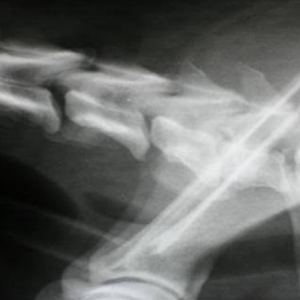
Elbow dysplasia was initially used to describe the non-union of the anconeal process (AUP). Currently, osteochondritis dissecans (OCD) of the medial condyle of the humerus, the fragment of the coronoid process (FPC) and, the incongruence of the elbow (INC) are also included within this term. When one of these ossification defects occurs in an elbow, inflammation originates and over time an osteoarthritis is triggered in which cartilage degeneration occurs; for that reason, all these conditions are commonly associated with osteoathrosis of this joint and are an important cause of pain and claudication of the forelimbs in large and giant breed dogs such as the German Shepherd, Labrador, St. Bernard, Rottweiler, Neapolitan Mastiff, among others.

protector-codo-canino

Of multifactorial genetic origin, especially in OCD and FPC. It affects males more than females and can occur uni- or bilaterally. The genetic component is the one that has the greatest influence although, the appearance of this pathology can also occur due to food, weight, environment, quality of ligaments, a lot of physical exercise or trauma.

The first symptoms may occur at 4-5 months when the dog shows exercise intolerance, lameness when starting a movement or after prolonged exercise. There are dogs that do not show signs of affection in the elbow until advanced ages where the process of osteoarthritis is very evolved. Others manage to maintain a normal degree of activity throughout their lives.

The fact of making a premature radiological diagnosis makes it possible to establish an adequate treatment and avoids the formation of osteoarthritis that produces pain and functional limitation of the elbow throughout the life of the animal. The diagnosis can be complemented with diagnostic tests such as CT or MRI

The evolution depends on the degree and type of injury, but it is usually unfavorable without surgery. Surgical treatment is good if degenerative changes in the joint have not yet occurred. In any case it is necessary to perform a good rehabilitation in order to:

  • Speed up the recovery process
  • Eliminate pain and inflammation
  • Decrease lameness
  • Maintain and/or improve range of motion
  • Maintain muscle tone, mass and strength
  • Minimize or slow down the effects of joint degeneration – osteoarthritis
  • Avoid compensation at the level of the neck, spine and extremities
  • Give the maximum capacities so that the animal is functional and that it, with a good quality of life

Physiotherapy treatment varies depending on the animal and the state of the lesion. It is important to start as soon as possible with the treatment so that it is effective and, to avoid drying them as reduced mobility and / or chronic pain.

The animal goes through different phases until its full recovery. It is essential to gradually achieve the objectives set. The recovery process is terminated when the animal is able to perform daily activities.

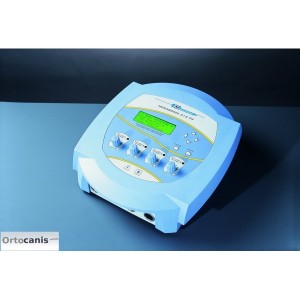
During the first three days after the intervention, it is important to act on inflammation and pain and prevent muscle atrophy and decrease in the joint arch from appearing. For this, passive techniques are used that reduce inflammation, produce analgesia and help maintain tone, mass and the arc of mobility. Among these techniques there are electrotherapy (segmental TENS and muscle electrostimulation), massage, passive mobilizations and cryotherapy (cold).

In older dogs or dogs that have not been intervened, the objectives will be the same as in animals that have gone through an intervention. It is important to eliminate pain because, with pain you can not work.

It is important from the beginning to massage and move the affected elbow as long as there is no veterinary contraindication and, respecting in the case of fixation, the period of healing and union of the fixed parts. Massaging and moving the affected area and limb helps maintain mobility, prevents loss of mass and tone and works the proprioceptors.
ortesis-codoA gentle mobilization combined with different massage techniques help decrease inflammation and reduce pain.

With TENSat the segmental level we can produce analgesia and decrease the amount of drugs administered. There are animals that have intolerance to certain drugs that produce analgesia and with TENS the pain can be reduced. TenS can also be used directly on the injured or operated area, as long as there is no osteosynthesis material underneath, since an internal burn could occur.

Muscle electrostimulationhelps prevent the onset of atrophy and maintain muscle mass and tone. With electrical stimuli we can stimulate nerve conduction.

At the beginning and end of the session the coldis used since it has properties that act on the decrease of the inflammatory response, edema and pain.

From the fourth day and during the next two weeks when the inflammation and pain have disappeared it is time to introduce simple active exercises such as shaking hands or small walks on a leash to force the animal to make an equal support with the four limbs and thus, prevent a decompensation between limbs from appearing due to not having a correct support on the ground. The walks is an exercise that increases the duration until full recovery.

Once the stitches have been removed, the animal can be introduced into the water. The advantages of water are used to improve recovery. Hydrotherapy (underwater treadmill) facilitates the station of the animal without loss of balance and, thanks to flotation, without having to support all its weight. In addition, flotation allows animals with bone pain and low muscle mass to work. The pressure of the water exerted on the body of the animal increases the sensitivity and decreases inflammations and edemas. The work in the water, underwater tapes or swimming increasesas the animal recovers. In addition, with water, we can recover the motor pattern, increase mass, tone and strength, work on respiratory capacity and maintain and / or improve mobility.

Once the acute phase has passed 48-72 hours and without risk of infection or inflammation, heat can be introduced that helps to elastify the tissues, decreases pain and increases vascularization among others.

The use of boards, plates, balls and trampolines are important to work on balance, proprioception and above all the integration of the affected limb.

It is already in the last phase, from two weeks, when the dog has integrated the gait pattern, exercises are performed to improve the quality of movement. They are more complex active exercises to integrate the affected limb or limbs. With active and proprioception exercises it is possible to increase muscle tone, mass and strength; coordination and balance and range of motion are worked on. Rails with different surfaces, cones, bars, circuits, up and down stairs and ramps (staircase with inclined plane) are used.

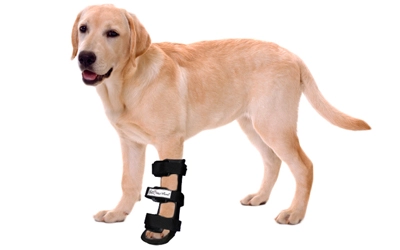
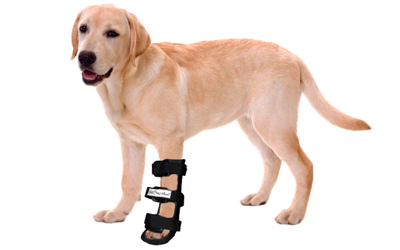
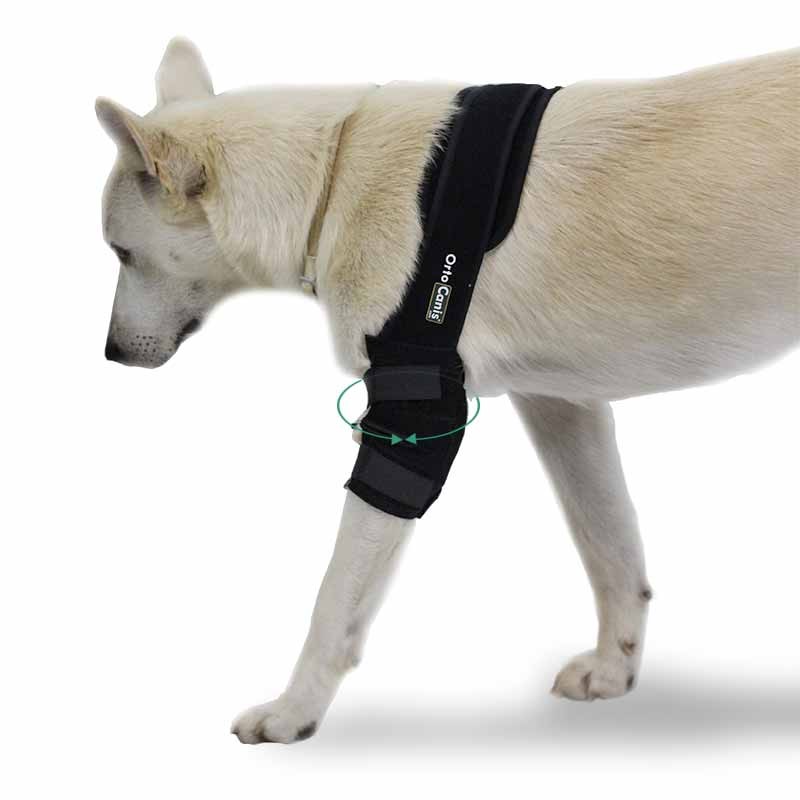
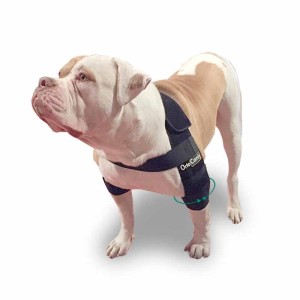
Throughout the recovery treatment and in animals with developed osteoarthritis it is essential to reduce the weight on the joints of the elbows. For this purpose , special support harnesses for elbows are used. In addition to decreasing weight, pain is reduced and does not hinder movement, the animal feels more comfortable; the joint is protected at all times from chafing and blows and helps maintain the heat that the animal gives off, which leads to a relief of the affected area.

At home, special care should be taken for animals suffering from elbow conditions. This care is necessary during and after treatment:

  • Avoid slippery floors
  • Avoid ramps and stairs at the beginning of treatment in operated animals and in animals that do conservative treatment. Once rehabilitated, ramps can be used to help get on the sofa and the car, since it is recommended that they do not do it alone, there could be a recidivism.
  • It is recommended that they rest on soft and clean surfaces, but that they are firm enough to help the incorporation of the animal special mattress for dogs
  • Keep skin clean and dry skin
  • Use special plates at your height so as not to strain the elbow joints
  • Correct diet and weight control. Being overweight harms the joints and generates more pain for the animal

It is very important to create an exercise routine and environment to help keep the animal comfortable and with quality of life.


You can also check:

Can chondroprotectors help?

Elbow dysplasia in dogs

Hip dysplasia in dogs

Baner silla 728x90

Fractures in dogs, how to act?

Source: Eroski Consumer

Without knowledge of first aid, the dog’s broken limb should not be moved so as not to injure the area further.

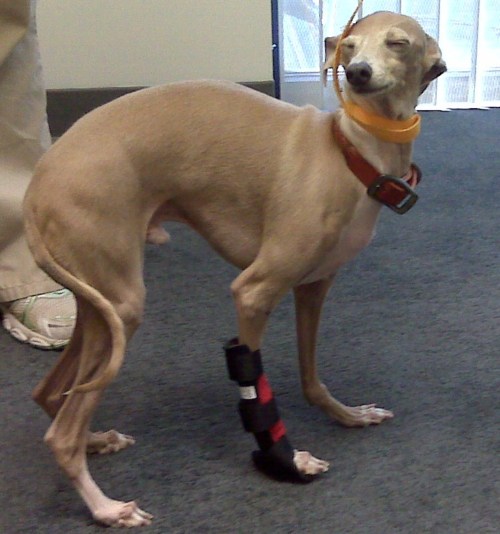
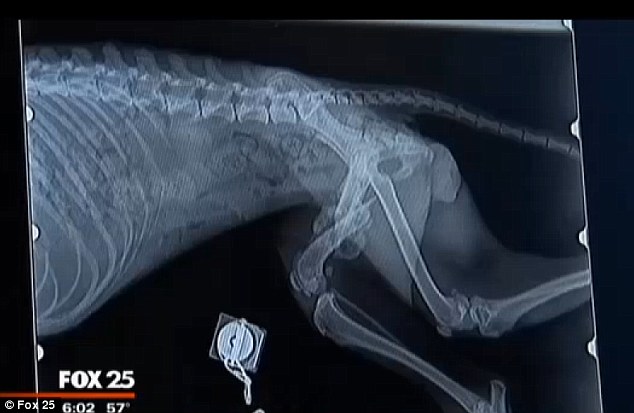
Inmovilizador pata perroAccidents and falls are the most common causes of fractures or broken bones in dogs . But not all fractures are the same. When they are serious and the dog does not receive treatment, it can die. This article explains how the owner of a dog with a fracture should act , how to prevent them and which dogs are more at risk of suffering fractures , as well as the reasons.

How should the owner of a dog with a fracture act?

If you have some knowledge of first aid, you can immobilize the injured area with a magazine or newspaper.

Owners can follow certain guidelines when their dog sustains a fracture . The main one is to go to the vet as soon as possible and move the dog as little as possible during its transfer. If you have some knowledge of first aid, you can immobilize the injured area with a magazine or newspaper tied or bandaged around the affected limb.

If you don’t know how to do it, because you don’t have minimal knowledge about how to splint the limb, it is recommended not to manipulate it. There is a risk of further injuring the area. Fractures located below the elbow or knee, in the joints, are more likely to worsen if the dog is moved.

Dogs can become unconscious after sustaining a fracture . In these cases, it is advisable to move them with their heads raised and not bend or compress the neck. In this way, we will prevent them from swallowing their tongue and they will be able to breathe. In addition, the danger of injury to the cervical area is reduced.

The speed with which we move the dog to the vet is essential. It may be that the accident occurs during the weekend or on a holiday, but there are veterinary clinics that have an emergency service and are available 24 hours a day.

Some of these clinics have an ambulance for the urgent collection of injured animals. Keep in mind that internal injuries can be more serious than fractures, so the sooner they are located and treated, the better.

“Fractures that occur in flat bones heal by themselves,” says veterinarian Ángel Suela. “However, those located in long bones, such as the femur, which break the tissue, are more serious fractures,” he says. There are those that may need surgery or cards (similar to a plaster) that immobilize the affected area for a month.

How to prevent bone breaks in the dog

Falls and accidents are frequent reasons for traumatism in the dog.

The best way to prevent fractures in dogs is to avoid accidents that cause trauma. “The gutters, drains and sewers are places where the dog suffers fractures and accidents are frequent,” warns veterinarian Leire Jiménez. Most dog fractures are due to falls and run overs . “There are dogs that fall out of the window or put their foot in a place where it gets caught and breaks,” he explains.

Solución para fractura perroIf you have a garden at home, make sure there are no places where the animal can get injured. Any gaps where their legs get caught should be plugged. If it is a dog that likes to look out the window -and is nervous and active, like a puppy-, it is advisable to close the windows or place parapets that prevent it from falling.

Hit-and-runs are also a source of fractures and injuries, which can be life-threatening. Therefore, the animal must circulate on a leash on public roads. In the countryside, although the dog walks without a leash in some sections, it must be supervised by its owners. The animal may escape and be run over on a nearby road or fall down a ravine or well.

Dogs at higher risk of fractures

Fractures or broken bones are more likely to occur in puppies, as they are very restless and are more at risk of falls and accidents. But dogs that suffer from bone wear (osteoporosis) or are very old are also candidates.

  • Very old dogs, from 10 years. They are more at risk of breaking a bone and their fractures take longer to heal. Lack of calcium, due to age, slows down fracture repair.
  • Dogs suffering from osteoporosis or decalcification of the bones. They are more at risk of fractures because their bones are weaker and a blow can cause them to break.
  • Puppies and very active dogs. Above all, when the dog has access to a garden, it should be watched, since it is more at risk of falling and hitting.


Caroline Pinedo

Source: Consumer

Do large breed dogs slouch?

Are the alterations in the movement of the hindquarters in our dogs due to hip dysplasia?

On many occasions consultations are made for movement disorders or difficulties, claudication, limping of the hindquarters, either in puppies or in adult dogs. It is important to understand that NOT all claudication responds to the same pathology and of course to the same treatment. It is very common to hear that older dogs “loosen”.

The term hip displasia popularly refers to hip dysplasia and if we refer to elderly animals, in most cases it is not the hip that is responsible for this problem, but rather conditions of the dorsal or lumbar spine, showing great displacement difficulties and even paresis of the posterior train. Spine problems can appear in dogs from 7 or 8 years of age, mainly in large breeds with or without dysplasia. The clinical manifestations of hip problems are more frequent in young dogs, but it must also be taken into account that a large percentage of animals are asymptomatic.

What happens in older dogs?

As our dogs get older, the first signs of aging appear: decreased activity and some lameness in the hindquarters.

If they were dogs that showed no gait problems when they were young, owners are surprised by the change in activity and it is common to think that hip dysplasia has knocked on the door. However, in many cases the spinal column of these dogs has suffered from the action of pressure and traction on the intervertebral discs, causing a fibrous hardening of the capsules (with which the cartilaginous discs support or cushion less blows and traction) and in many Opportunities the nuclei of these intervertebral discs move, squeezing the spinal cord (herniated disc) compressing the nerve roots and causing pain and neurological dysfunction.

This disease is known as spondyloarthrosis or degenerative stenosis in the lumbosacral region or in the thoracolumbar region of the spine.

The symptoms vary according to the location of the lesions, but on many occasions they are similar to hip dysplasia: pain in the hind limbs, claudication and difficulty standing up, staggering and less activity. Spondyloarthrosis can progress to paralysis of the hindquarters. Many animals have one or more affected vertebrae in a subclinical state (without symptoms) or show slight clinical signs.

In the case of spondyloarthrosis, the treatments must be very energetic.

Anti- inflammatories , neurotrophic vitamins, chondroprotective cartilage regenerators, analgesics, muscle relaxants, as well as rehabilitation therapies in more serious cases are used together. Consult your veterinarian in these cases since it is very important to make a good diagnosis, differentiate the different pathologies to implement the appropriate treatment.

What happens in puppies and hip dysplasia?

If we think specifically about puppies, not all of them show symptoms having hip dysplasia. The diagnosis can be made from 6 months of age through an X-ray taken with the animal under anesthesia, which allows a perfect position and distension of the ligaments of the coxofemoral joint.

Other lesions in the lumbar spine (cauda equina) may appear here, producing pain and lameness that may coexist with hip dysplasia or with totally healthy hips, making differential and specific diagnosis essential.

These concepts have the sole objective of giving a general idea of some of the pathologies that can affect our dogs, so as not to be left with the concept that the “hip is the mother of all evils”.

Specifically in “old” dogs and puppies, we can monitor and prevent joint problems. Oral and injectable chondroprotectors are used for this, which inhibit the processes of cartilage-degrading enzymes, are natural anti-inflammatories, nourish cartilage cells and stimulate cartilage regeneration.

It is also advisable that as our dogs approach 10 years, they are well fed but thin. Obesity or overweight is an ingredient against longevity. Moderate exercise will keep our animals active and with a good temperament.

Dr. Ana María Robles – Veterinary Doctor – MP 2626

At Ortocanis we work to improve the lives of dogs with mobility problems, that includes dogs with some permanent physical disability as well as dogs that need rehabilitation. Marta Subirats, our collaborator, tells you about the rupture of the anterior cruciate ligament.

Of the four ligaments that make up the dog’s knee, rupture of the anterior cruciate ligament is one of the most common pathologies and the most frequent cause of secondary degenerative osteoarthritis in the knee joint. The functions of the cranial cruciate ligament are to limit internal rotation of the tibia and cranial displacement of the tibia relative to the femur and to prevent hyperextension of the knee.

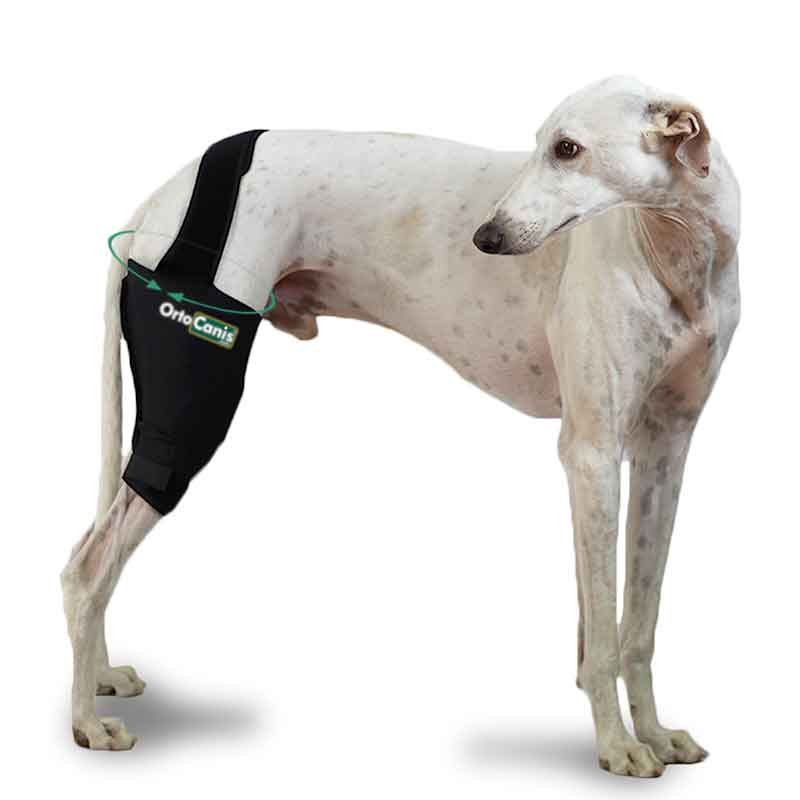
protector-rodilla-perro (1)If your dog appears with an acute limp, does not want to put his paw on the ground, or seems to take a few steps and shrinks it, and his knee swells, it is possible that his anterior cruciate ligament is affected.

There is a predisposition in certain dogs to suffer this injury. On the one hand we find small-medium sized dogs (breed or not) with short legs and generally overweight and, on the other hand, large and giant breeds that, due to their morphology, have a tendency to suffer injuries to their ligaments. Among the latter we find the Labrador, Rottweiler, Neapolitan Mastiff, Boxer, etc. In any case, this is not a rule and any dog can have a ligament injury throughout his life.

Apart from the breeds mentioned, there are other factors such as being overweight, sedentary lifestyle, endocrine disorders, sports dogs that do not warm up properly, stairs, sudden climbs to the sofa or the car, or activities that subject the ligaments to micro-trauma and that finally end up damaging them with partial damage or total breakage.

There are two types of treatment, conservative and surgical, whether one or the other is chosen, the animal must carry out a correct recovery of that knee so that it becomes functional again and thus avoid recurrences.

The goals of recovery are to decrease pain, swelling, and lameness, to regain full mobility, muscle mass and strength, and control over the joint.

Physiotherapy varies depending on the animal and the type of treatment, conservative or surgical and, in the case of surgery, the type of intervention. There are surgeries that require more rest and stabilization than others. The recovery process is considered complete when the animal is able to perform daily activities and its knee is able to receive loads and movement without risk of re-injury.

It is important that your pet receives rehabilitation treatment by trained professionals who will choose the best techniques for a quick and effective recovery. Among the most used therapies to treat a crusader problem we find: massages, mobilizations, therapy with currents, ultrasounds, laser, aquatic therapy, balance and coordination training therapy.

During the recovery period it is important that:

– Take your pet on a leash during walks and avoid sudden departures towards other dogs and changes of pace, especially at the beginning of recovery. Your veterinarian or therapist will modify the intensity of the activity as the recovery period progresses.

– Keep the dog off slippery floors. A common cause is recurrence of the ligament tear accompanied by medial meniscus injury.

– Avoid ramps and stairs at the beginning of treatment in operated animals and in animals undergoing conservative treatment. Once rehabilitated, ramps can be used to help get on the sofa and in the car, since it is recommended that they do not do it alone, there could be a recurrence.

– It is recommended that they rest on soft and clean surfaces, but that they are firm enough to help the incorporation of the animal special mattress for dogs

– Keep the skin clean and dry.

– Correct diet and weight control. Being overweight harms the joints and generates moreprotector-rodilla-canina-perro articulada pain for the animal

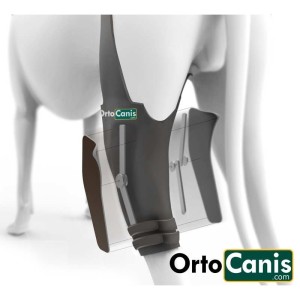
During recovery or in those animals in which knee instability may arise, the use of a hinged knee orthosis can benefit you and prevent recurrence or possible complications.

Knee orthoses can be used in cases where surgery is not possible or there is some impediment to perform it. These splints, designed exclusively for knee problems, allow progressively increasing degrees of flexion-extension while limiting unwanted movements, providing stability throughout the recovery.

Marta Subirats

Ortocanis physiotherapy technique

x-ray dog with fractures

A little more information from Ortocanis, do our articles help you?

Definition

Disc herniation is a neurological disease that affects the spine, when part of the intervertebral disc presses on or enters the spinal cord.

The dog has 7 cervical vertebrae, 13 thoracic, 7 lumbar, 3 sacral and, depending on the breed, 20-23 tail vertebrae. The intervertebral discs act as shock absorbers between the vertebrae that make up the spine and at the same time give it its mobility.

Two types of hernia and their symptoms

It mainly differentiates between two types of disc herniation: Protrusion and Discus Extrusion.

We speak of a Protrusion when the intervertebral disc moves and thus presses on the spinal cord but the spinal cord tissue is intact. The dog shows pain, walks awkwardly, sometimes with a hunched back and may drag its legs a little.

Extrusion means that the disc tissue has ruptured and disc material has entered and damaged the medulla. In this case the symptoms can be similar to that of the Protrusion but more serious. Depending on the location of the hernia, it causes paralysis of the forelimbs and/or hindlimbs. The dog loses sensitivity in those extremities, which manifests itself in the absence of pain, does not stand up and begins to crawl. It may also look like incontinence.

The most important thing in these cases is the rapid diagnosis and intervention of the veterinarian!!

A slight Protrusion can be treated with medication and almost absolute rest, however an Extrusion has to be operated to remove the disc material from the marrow.

But beware – each case of disc herniation is different and depends a lot on its location, to what degree it has pressed or damaged the spinal cord and how long it has been between the first symptom and diagnosis. That is why it is very important to choose a good neurologist.

Physiotherapy – recovery

In both cases, physiotherapy is very important for a good and faster recovery of the animal.

Various massage methods help stimulate the peripheral system and increase blood circulation. Passive joint movement prevents loss of mobility in affected limbs. Electrotherapy stops muscle atrophy and is the only passive way to increase muscle mass.

When the dog is already standing, several active exercises are applied to improve stability, balance and coordination.

The owner must take great care with the feeding of his dog during recovery and consult the veterinarian, since the loss of mobility and the same amount of food lead to weight gain – something that should be avoided in any case. Every extra gram makes it more difficult for the dog to get up and walk again.

In the event of a cervical hernia, the use of a harness is recommended to avoid sudden movements in this area and also to raise the food and water bowls so that the dog does not have to bend down too much.

andrea klein

animal physiotherapist

Collaborator of Ortocanis.com