
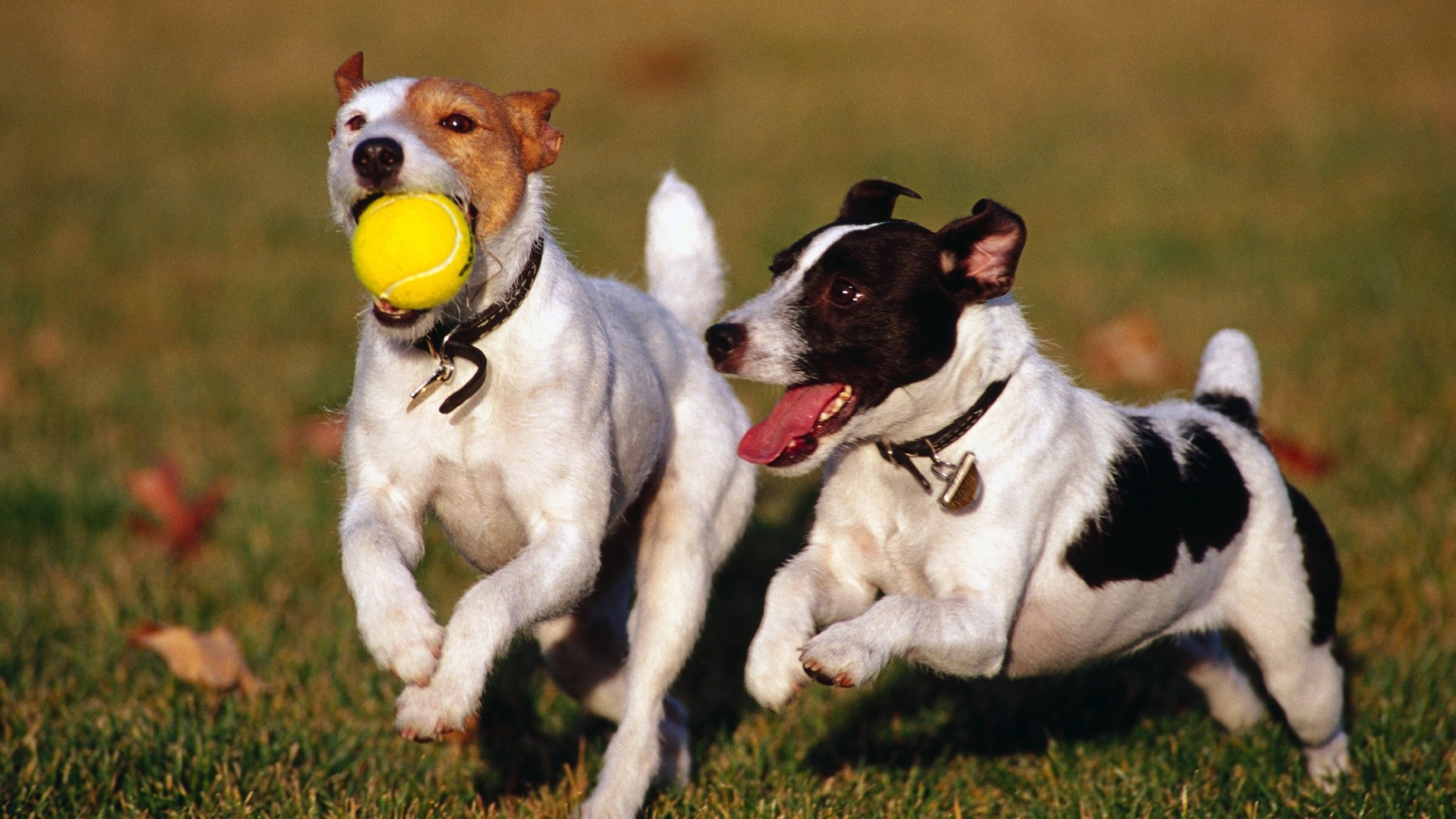
In Barcelona, since October 2014 it is already possible to access the metro with a dog, as long as they are tied up and with a muzzle, as was already approved in other European cities such as Berlin, Brussels, Amsterdam or Geneva.
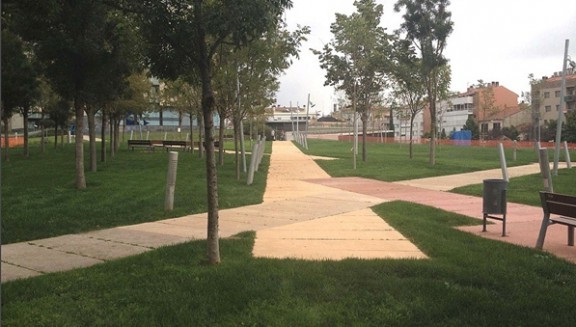
Current space for dogs of l’Estació del Nord – Barcelona
Now a plan is added to add more play areas for dogs, going from the 56 existing now to 80. But not only will parks be added but some of the existing ones will be renovated.
It will be guaranteed that the minimum area of each one is 150 square meters and it will also be required that each District has at least a large area of at least 700 square meters.
The regulations will also ensure the comfort and safety of these spaces: they must be surrounded by fences of 1.80 meters high to prevent flight, with materials that can not cause damage to the limbs of the dogs or separations where they could be injured head or neck. Whenever possible, there will be more than one gateway and paths to be able to stroll. They must have fountains 15 centimeters high without a container underneath to avoid contagion and mosquitoes.
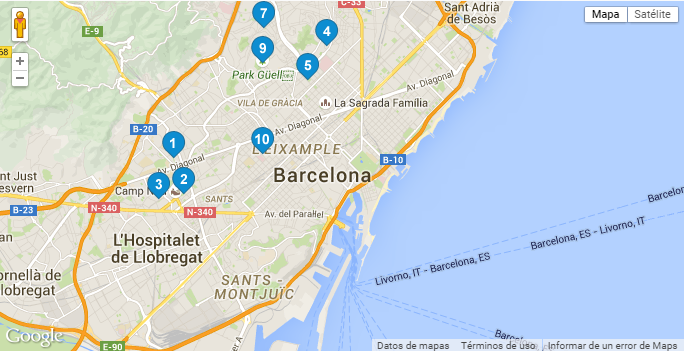
Click on the map to get the location of all the recreational areas for dogs in Barcelona
You can also check the recreation areas for dogs in Barcelona on their website: http://guia.barcelona.cat/es/
Special outdoor spaces for dogs are vital to their health. In addition to allowing them to do the physical activity they need to keep the body in shape, they are imperative to keeping their emotional state balanced.
Dogs are social animals that obtain information from the outside in a somewhat different way than we do: smell is their most essential sense. This means that it is essential that the dog can smell outside environments and other animals or their traces. It is also important that the dog has some daily time outside and without a leash, in order to give him moments of autonomy. Many behavioral problems are caused by the fact of denying the dog its nature.
From Ortocanis we are glad that more and more consideration is given to dogs and owners. The expansion of recreation areas and the possibility of entering the metro are a breakthrough. Maybe the next thing could be to have a dog area on the big beach in Barcelona? That would be fantastic!
Orthocanis Team

 Another key point is the elimination of subsidies or municipal aid to bullfighting shows and bullfighting schools as well as addressing the recommendations of the United Nations Committee on the Rights of the Child on this issue.

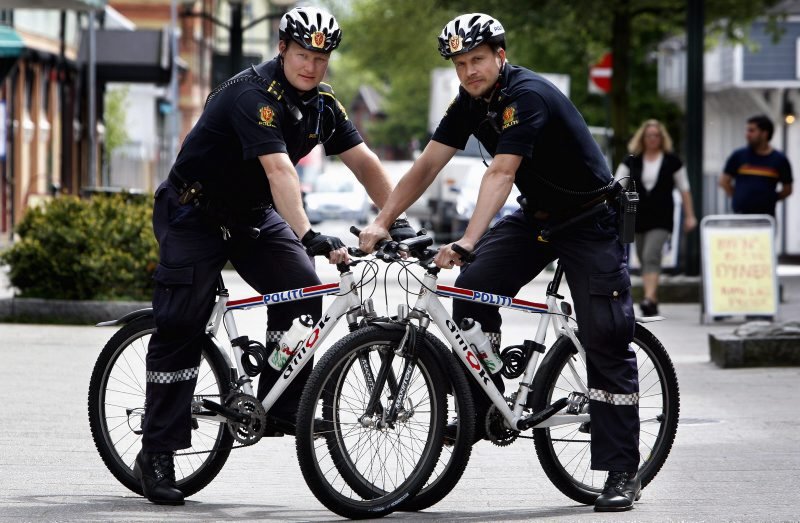
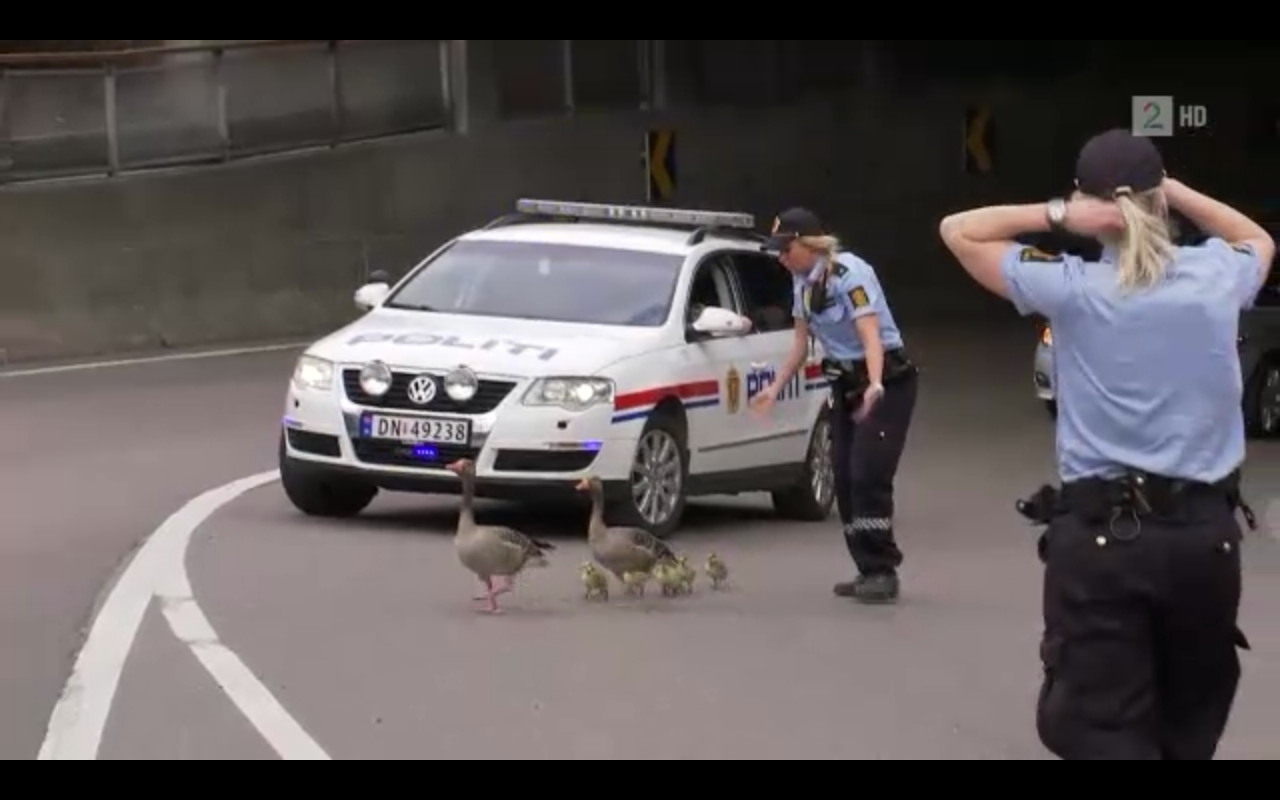 The police unit will be tested for 3 years to see how it works. In 2014, 38 cases of animal abuse were reported to the Norwegian police. Having a unit dedicated to investigating and monitoring animal cruelty may help promote reporting and reduce abuse.
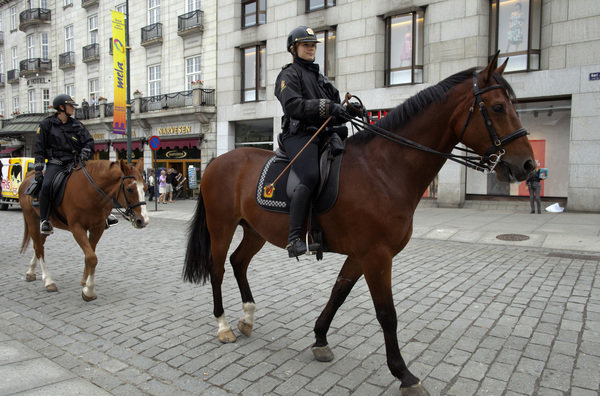 Police units have already been formed in the Netherlands and Sweden for the same purpose as the Norwegian one. In addition, animal rights organizations continue to try to spread this good practice in many other states. Let us hope that more countries will take this initiative, which we think is more than right.
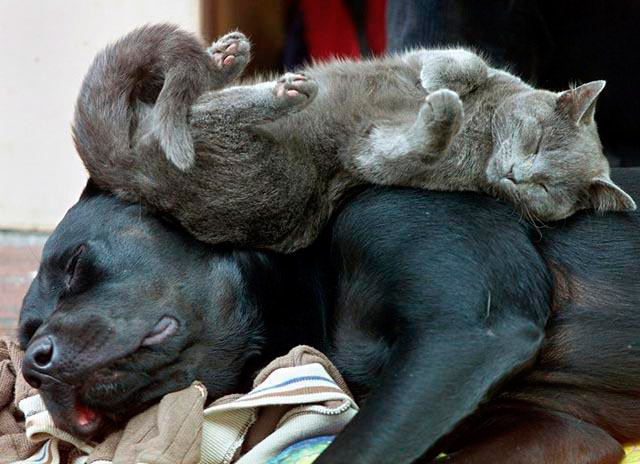

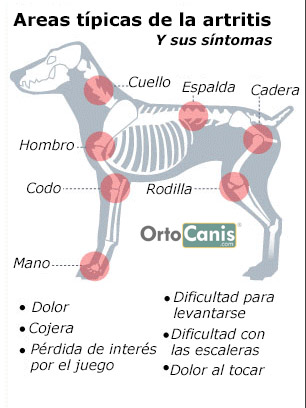 Luckily or unfortunately dogs don’t talk, so sometimes it can be hard to tell if they’re in pain. Fortunately, the dog’s response to pain is very similar to what we give. Depending on its level of tolerance to it, its intensity and its origin, we will observe changes in behavior that seek to avoid it. These avoidant behaviors will be more or less marked, so it is important to know well what the normal behavior of the dog in question is to realize the changes.
 In more concrete terms, postural or movement alterations can be observed: the dog avoids performing those movements and postures that intensify the pain. A simple example is not to support that leg that is injured. There can also be an excessive grooming behavior of the painful area, which can bring more serious situations, such as when a small lesion on the skin is complicated in licking dermatitis, although the pain is a physiological response of protection whose function is to avoid the aggravation of an injury.