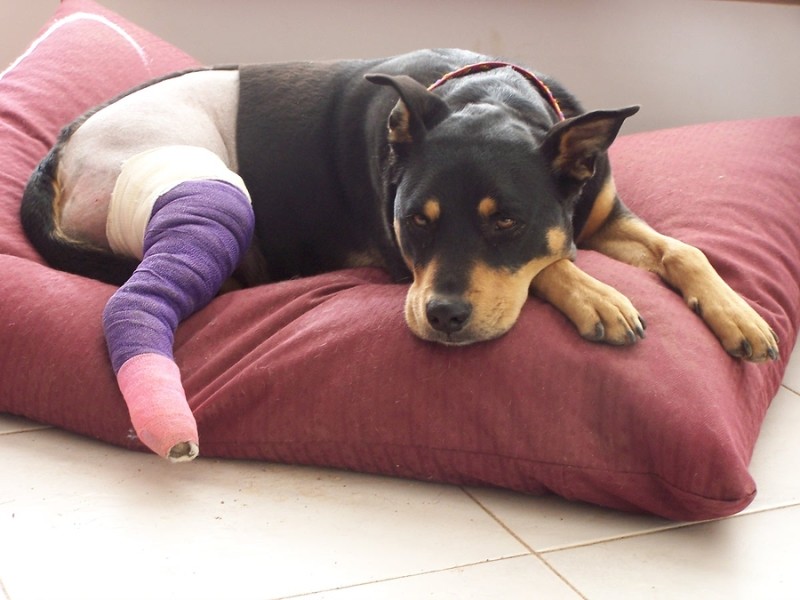
The way dogs walk can be affected by numerous ailments. They can walk poorly due to joint problems, or because a foreign object has stuck in them. These changes in the way of walking serve to detect various pathologies that have no other external manifestation. For example, when faced with a dog that drags its knuckles , it can be suspected that it suffers from some ailment related to the sciatic nerve.

Generally, this phenomenon usually occurs in the hind legs of the dog. It can happen in one of the legs or in both. And although it does not prevent him from walking, it does make it difficult for him to walk . Also, you will hurt your paw and feel pain if you walk for a long time.

Why does a dog drag his knuckles when walking?

The reasons why a dog drags his knuckles when walking can be very varied. This problem may be due, for example, to problems in the animal’s sciatic nerve . But it can also be due to spinal injury , myeloplasia , or degenerative myelopathy .

In any case, it is important to go to the vet as soon as it is detected , so that it can be diagnosed correctly and find a solution. Otherwise, in addition to the damage you may already have in your lower back or spine, it will also damage your legs.

Qué hacer ante un perro que arrastra los nudillos al andar

What to do to correct knuckle drag

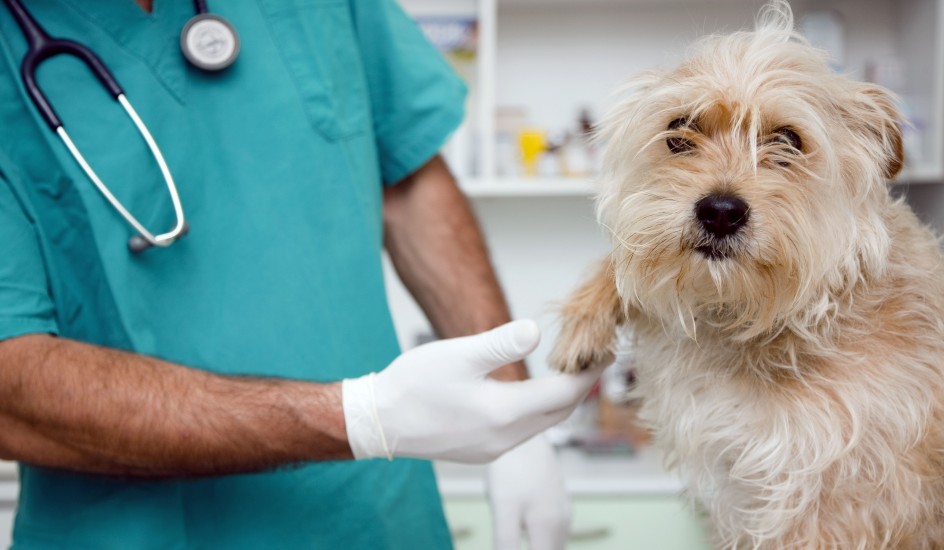
The first thing to try to avoid this is, as we have mentioned, go to the vet. Faced with a dog that drags its knuckles when walking, the specialist will recommend treatment after diagnosis. This may be corrective or, if the animal has a degenerative disease, palliative. In the latter case, the aim will not be to correct the problem, but rather to provide the animal with the best possible quality of life .

In addition to the medication or the precautions to be taken, the veterinarian will recommend various guidelines so that the dog is as comfortable as possible. Among them, when the animal is at home it has a comfortable place to lie down . And one that can be easily lifted . By bending your knuckles, you may have a hard time getting up, because your grip will fail. Therefore, in addition to falling, the affected leg can be injured.

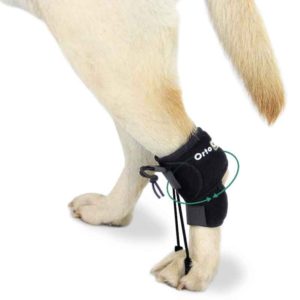
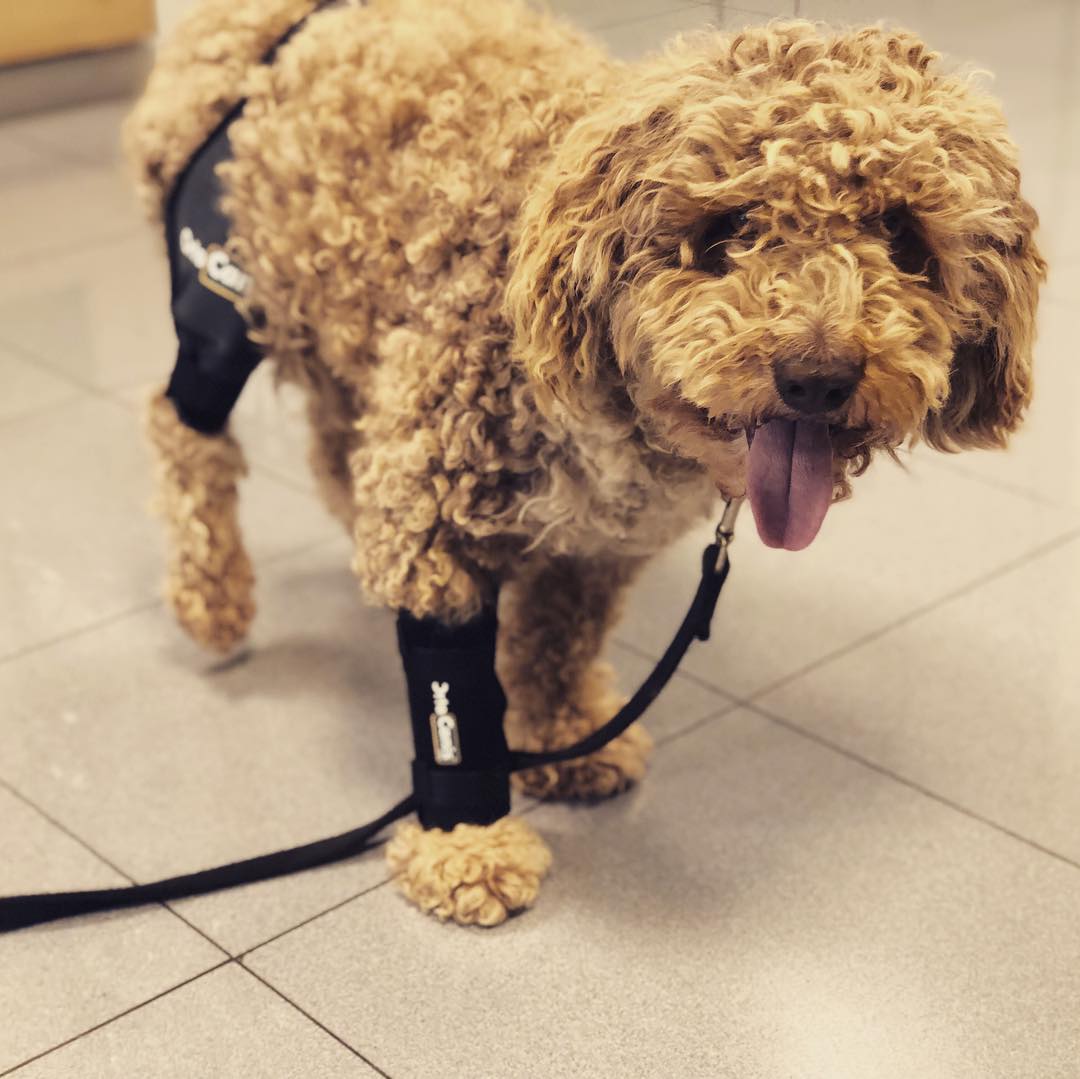
Apart from this, the new proprioceptive corrector can also be placed on the affected leg. This corrector will support the knuckles and fingers of the affected leg so that you can support it correctly. With it, the animal will have adequate tension at the necessary points to prevent the knuckles from bending. You can rest your paw on the pads normally.

Of course, this type of correctors cannot be worn indefinitely. In general, as the veterinarian will advise, the ideal is that they should be worn for a short period of time at first. For example, 15 minutes . Then you can gradually increase the time that the animal can carry it. Of course, in no case is it recommended to wear it for more than two hours . And in case you have to carry it for so long, it is advisable to protect the leg with a special boot .

Distemper in dogs and its treatment

Distemper in dogs is a serious viral disease. Although the symptoms are varied, one of the clearest signs is weakness in the hind legs. In case of contagion, we must act quickly, as it can be lethal. We tell you what your treatment is.

What is distemper in dogs and how is it spread?

The RNA virus, belonging to the Paramyxoviridae family, is the cause of one of the most contagious and dangerous diseases. Better known as distemper in dogs, it is contracted by direct contact with one that is infected. The symptoms do not appear immediately since there is an incubation period between 14 and 18 days beforehand.

Not all strains of distemper in dogs have the same virulence. Therefore, each clinical picture has its own severity and evolution. Replication occurs in the lymphoid tissue, thus causing immunosuppression in the animal. From there it progresses and infects the central nervous system. At this point is when we can observe the weakness in the hind legs.

Distemper in dogs mainly affects puppies between 3 and 6 months of age, as they have a weaker immune system. However, older dogs can also be infected.

Symptoms of distemper in dogs

The initial symptoms of distemper in dogs are very varied, and include rhinitis, mucopurulent discharge, cough, conjunctivitis, vomiting or diarrhea, fever, dehydration, anorexia or weight loss, and pneumonia (due to secondary bacterial infections), among others. others.

When the disease reaches the central nervous system, other types of symptoms appear. These are encephalitis, which is responsible for weakness in the legs, tremors and various paralyzes, as well as convulsions and blindness.

Encephalitis, when it affects adult dogs, can occur in two different ways. In the first place, as multifocal encephalitis, whose main characteristic is incoordination, tilted head, facial paralysis and tremors, as well as the aforementioned weakness in the hind legs. This type of distemper in dogs appears between the ages of 4 and 8, and evolves into paralysis , although they can recover.

Secondly, when it comes to older dogs, that is, older than 6, a visual deficit appears, as well as mental depression, personality changes, tournament and also inability to hold the head. Recovery is complex in these cases.

Distemper

Treatment of distemper in dogs

There is currently no specific treatment for distemper in dogs. Although there is a way to prevent contagion and that is through vaccination. In the event of contagion, isolation is essential to avoid spreading the disease.

For secondary infections, antibiotics will be administered, and for the specific symptoms of distemper in dogs, anti-inflammatories and antipyretics. There are also medications for seizures. In addition to all this, we will make sure that the animal eats and drinks so as not to become dehydrated.

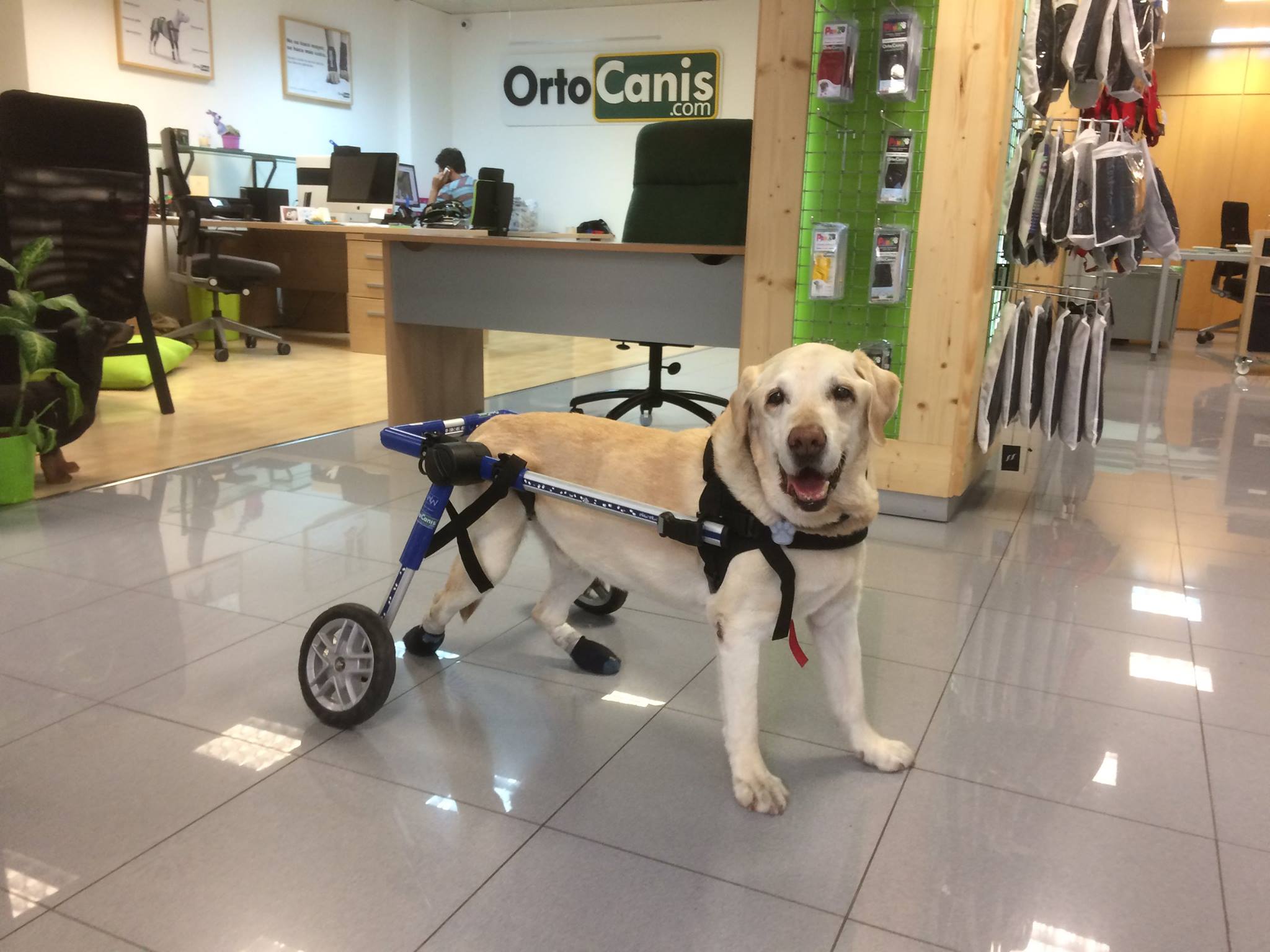
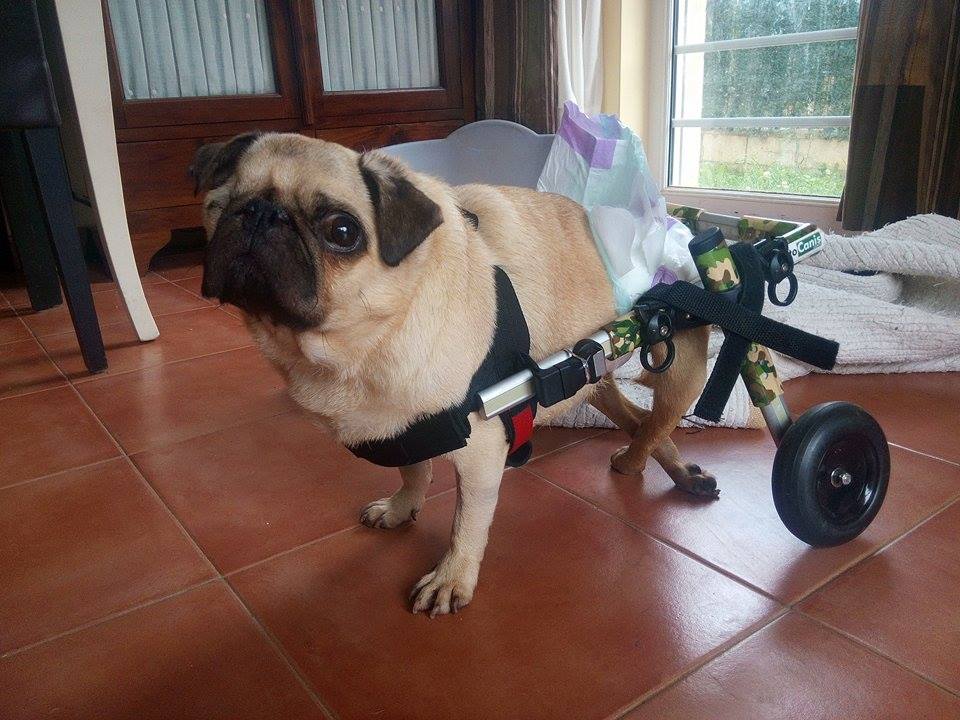
Regarding the quality of life of the animal, we can help with mobility using specific harnesses , as well as wheelchairs if necessary. If you need advice to choose the right ones, you can contact us.

Paralysis in dogs

, which makes the animal unable to move its hind legs, front legs, or four legs, has various origins. It can be caused by trauma, but also by illness. It can also be gradual or sudden, be irreversible, or offer possibilities for improvement or healing.
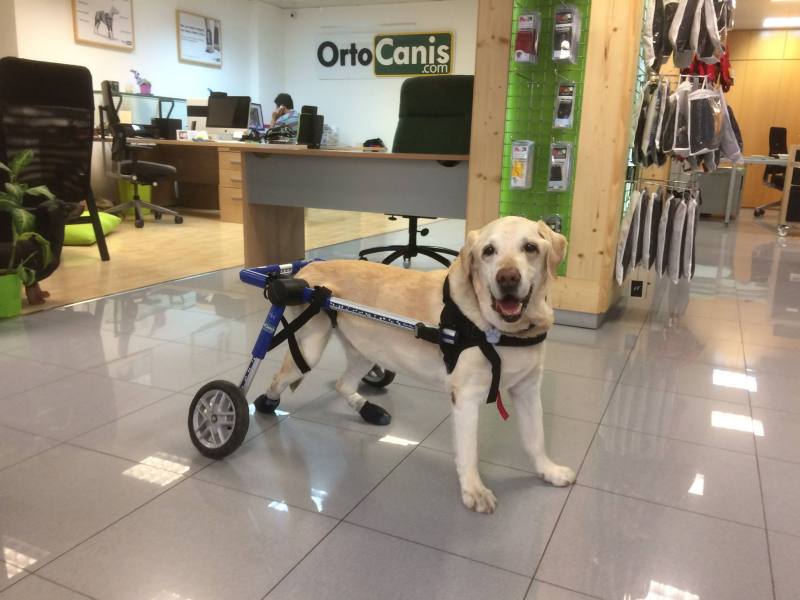
Silla de ruedas para perro Ortocanis

Wheelchair for Ortocanis dog

In any case, it will be necessary to provide the animal with all the necessary care to facilitate its recovery. For this, it is essential to know the cause of paralysis to apply the most appropriate treatment. We could not only alleviate your symptoms, but reverse them in certain cases, and if not possible, provide you with the highest possible quality of life .

Main causes of paralysis in dogs

Fundamentally, paralysis in dogs is caused by either trauma or disease. This can be congenital or infectious. Among the congenital diseases that cause paralysis in dogs, especially in the hind limbs, is a degenerative pathology of the intervertebral discs. Dogs that suffer from it, usually due to age, lose mobility, since the membrane that surrounds their spinal cord progressively decomposes.

As for infectious diseases that cause paralysis , there are two that are particularly dangerous. They are rabies and distemper. On the other hand, the animal experiencing paralysis may have a tumor somewhere on its body that affects its mobility. For example, if you have one in your spine, it can affect your limbs.

In addition, the dog may suffer paralysis from an injury to the neck or spinal cord. Generally, these types of injuries are the result of a hard blow or an accident. In these cases, the paralysis is usually permanent.

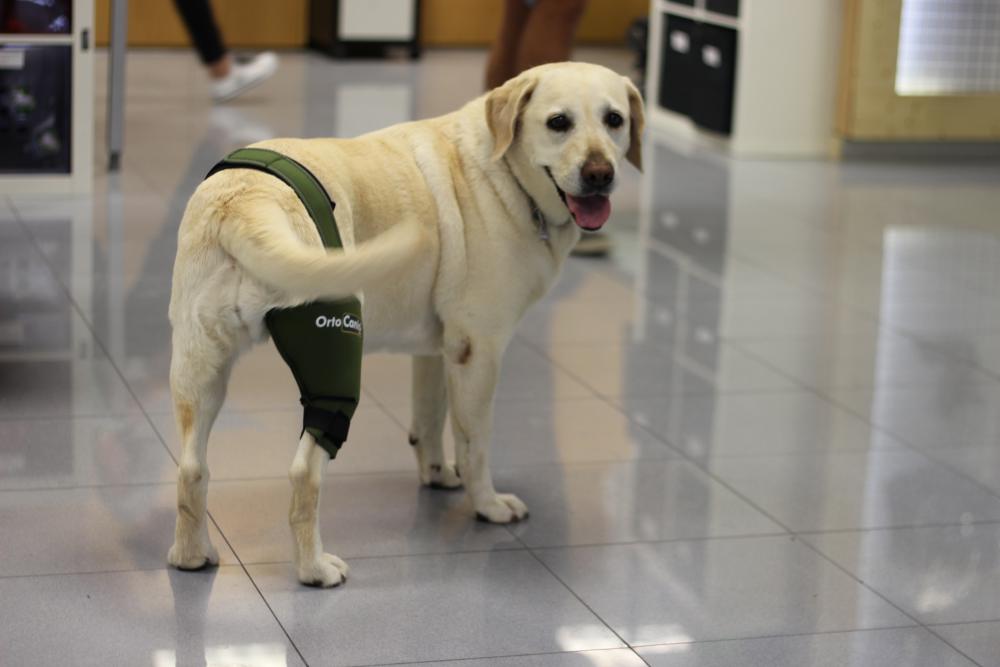
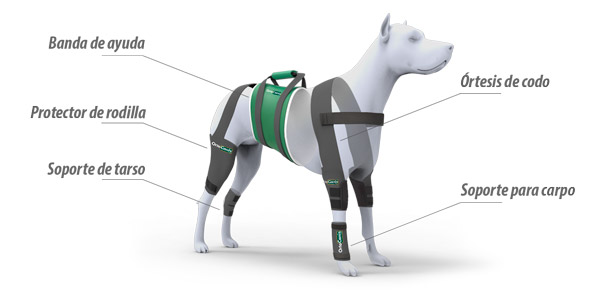
On many occasions the dog does not want to move because it has pain. It is common to find cases of ligament injuries or osteoarthritis where the dog avoids using the affected limb. We would not talk about a paralysis itself but we must know these cases since they are more frequent. Normally we will see that the animal complains if we manipulate the affected area. In these cases the veterinarian could recommend the use of an
orthosis
.


In another order of things, paralysis in dogs can also be psychological, as a result of shock. In these cases, since there are no spinal cord injuries, the paralysis will be temporary. It can also cause the intake of spoiled food, contaminated with botulinum toxin. It can even be caused by the bite of an insect, since there are animals that with a bite can cause paralysis in dogs. This is the case of some families of ticks.

Symptoms and treatment of paralysis in dogs

In addition to being unable to walk, paralysis in dogs can have other symptoms. For example, difficulties getting up. It can also be an indicator that the animal cannot urinate, or that it has trouble controlling urine. In the latter case, it will drip constantly. This can also happen to the animal when defecating. In addition, you may also walk in pain or as if you are dizzy.

In these cases, it is best to take the animal to the veterinarian to examine it and decide the best way to help it. In case you suffer from incontinence apart from paralysis, it will be necessary to keep it as clean as possible. This will prevent the animal from having infections (and undesirable odors). In these cases you can use special
diapers
for dogs and protective coats.

On the other hand, we must ensure that he rests in the most comfortable way possible. For this it is advisable to use an orthopedic bed for dogs. In addition to providing them with better rest, these beds are designed to distribute the weight of the animal, avoid pressure points and ulcers on the skin due to prolonged use.

In any case, having a paralysis is not currently an obstacle for dogs to continue moving and enjoying. There are wheelchairs adapted to them, with which, if they have mobility in the front legs, they can continue walking and moving as if all four legs worked well.

Frequently asked questions

My dog limps on one leg, but it doesn’t hurt

Even if your dog isn’t showing signs of pain, lameness indicates that something isn’t right. Lameness can be the result of injury, infection, inflammation, or even joint problems such as arthritis. Sometimes dogs hide their pain due to their instinct, so it’s important to take it to the vet for a thorough examination. Treatment will vary depending on the cause, but rest is generally recommended in the first few days.

Why My Dog Can’t Walk With His Hind Legs

The inability to walk with the hind legs can be a sign of a serious condition such as a degenerative disc disease, neurological problems, spinal injuries, or even vascular disease. This symptom requires immediate veterinary attention to diagnose the underlying cause and begin appropriate treatment, which may include medication, surgery, or physical therapy.

My dog limps on one front leg

Lameness in a front leg can be caused by a number of reasons, including injuries (such as sprains or fractures), infections, joint inflammation, or problems with the paw pads. It is important to note any other symptoms such as swelling, redness, or tenderness to touch, and consult a veterinarian for proper diagnosis and treatment. Rest and avoiding physical exertion are common recommendations until the veterinary consultation.

Paralysis in dogs due to poisoning

Paralysis caused by poisoning in dogs can occur due to the ingestion of toxic substances such as poisonous plants, dangerous foods (such as chocolate or xylitol), or chemicals. This is an emergency case that requires immediate veterinary attention. Treatment depends on the toxin involved and may include inducing vomiting, administering antidotes, or providing life support until the toxic substance has been eliminated from the body.

Treatment for dogs with paralysis in the hind legs

Treatment for hind leg paralysis depends on the underlying cause. Options may include surgery, especially if there is a herniated disc or spinal injury; medications to relieve pain and inflammation; and physical therapy to help regain mobility. Mobility aids, such as dog wheelchairs, may also be recommended to improve the animal’s quality of life.

My dog has weakness in his hind legs and is shaking

Weakness and tremor in the hind legs can be symptoms of various conditions, including neurological problems, muscle degeneration, or even exposure to cold. It is crucial to observe if these symptoms are accompanied by other changes in the dog’s behavior or overall health. A veterinarian can perform tests to identify the cause and suggest the most appropriate treatment, which can range from medication to rehabilitation therapy.

My dog walks and goes sideways

If your dog walks by leaning to one side, this may be indicative of balance problems, neurological problems, or even pain in some part of his body that prevents him from walking normally. Noting other symptoms such as head tilting, difficulty getting up, or lack of coordination can help the diagnosis. A veterinary evaluation is essential to determine the cause and the appropriate treatment, which can include everything from medications to specific rehabilitation exercises.

Remember, these are informative starting points and never substitutes for veterinary consultation. Each case is unique, and only a professional can offer diagnosis and treatment


Toni Fernandez

Director of Ortocanis

 

Physiotherapy is one of the recovery therapies that can bring the most benefits when there is an injury. But not just humans. Physiotherapy for dogs is also recommended so that these animals can improve their pathologies. In addition, in many cases, it gives them the extra point they lack to be able to recover completely.

The most appropriate physiotherapy technique for a dog will be different depending on the pathology it has. Among the main ones are, in addition to the classic manual therapy, there is the laser, water baths, magnetotherapy, electrical stimulation or therapy through the application of heat. But when is it necessary to use it?

When to use physiotherapy in dogs

Generally, physiotherapy in dogs is usually quite beneficial for animals that have undergone an operation. Especially, in those who have gone through an operation related to the bones, either of the limbs or of the spine. Generally, it is only necessary to apply it to adult dogs, since puppies usually recover quickly from their ailments.

Also for animals that have lost muscle mass noticeably in the joints of the legs. And also of the dogs that are getting older, more likely to suffer ailments and pains than the younger animals.

With physical therapy, which began to become popular about a decade ago, dogs can speed up recovery from an operation or their injuries. Also relieve chronic pathologies or wear and tear associated with age.

Thanks to different techniques, dogs that receive physiotherapy will be able to relieve their pains and see how the inflammation of their joints and areas affected by diseases is reduced . It will also improve the flexibility of the muscles and reduce the degree of atrophy of ligaments and tendons. And you’ll also see your recovery period shorten by about 30%.

Perro con veterinario

What are the physiotherapy sessions like for dogs?

Physiotherapy sessions for dogs are different depending on the type of treatment that should be applied to them. But in general, they follow common guidelines. Usually, each session lasts between 30-40 minutes and an hour. And depending on the condition of the animal and the estimated duration of treatment, it will have to receive sessions two or three times a week.

In addition to receiving therapy in the consultation of a specialist in canine physiotherapy, animals can also receive manual physiotherapy at home through massages. These sessions can be given by their owner, provided that they have previously received instructions to do so.

This option is the most indicated in case the dog needs a continuous treatment due to the physical wear and tear associated with age. Or when you do not allow the person who is going to apply the treatment to manipulate the area where you feel pain.

To try to avoid the latter, however, it is important that the owner of the dog is present when physiotherapy sessions are applied to the animal. This way you will have more confidence, be more relaxed, and block less access to the area where you feel pain.

Myositis in dogs is one of the canine diseases that most affects their quality of life. Not only because it can affect your ability to move and perform your usual daily activity. Also because it is a very painful pathology that limits them a lot. It is an inflammation of one or more muscles that can affect different parts of the body. Its origin can be multiple, and can be due to wounds and muscle breaks as well as overexertion. But also to the effects of age.

It mainly affects short-haired pets, such as various breeds of dog. It can occur at any age, although it appears more frequently in adult and older dogs. There are three types: eosinophilic, rheumatic and purulent.

Miositis en perros: principales causas, síntomas y tratamiento

Causes and symptoms of myositis in dogs

Myositis in dogs can be due to several reasons. Among them, a muscle tear or a hematoma, both the product of a blow or a fall and excessive physical activity or a jump from a high height. But it can also appear after bearing an excessive load without the animal being prepared for it.

Sometimes it also occurs as a result of hypothermia that a dog can suffer when it is in an environment in which it is excessively cold and without being prepared for it. Then, the muscles have trouble moving, since the cold paralyzes them, and inflammation appears.

When it appears in an older dog, it is simply about the effects of age, which produce various pains and ailments. Or by parasites that nest in the muscles and other mobile areas of the animal’s organism, and cause displacements and erosions.

Obviously, one of the main symptoms that a dog has myositis, in addition to the difficulty of displacement if it affects the legs or the area of the joints and spine, is pain. Affected dogs will have so much pain that they usually won’t want to move (or won’t be able to), and they will moan in pain. They will also refuse to touch the affected area, and even caresses, even if they are soft.

The dog may feel better first thing in the morning after sleeping, but he will already appear tired. And the pain will increase as the day goes by. It is especially indicative of the presence of myositis pain in the area of the pelvis or shoulder, two of the points in which this ailment first manifests.

In addition, myositis presents other additional symptoms. Among them, the difficulties to pose one leg or several, the curved position of the dog’s back , etc. All together with an evident tension in the neck area, product of pain and difficulties in moving, and swelling of the affected area. It can also increase body temperature, and blood appears in the urine. And as a consequence of all this, come decay and loss of appetite.

Treatment of myositis in dogs

When myositis is detected early, and it is a mild form, it will be enough to take the animal to the veterinarian to put an appropriate treatment after finding the cause of the disease. It will usually be fully restored within a couple of weeks. But when it comes to severe myositis or its treatment is postponed, it may take longer to heal, and you may have sequelae.

Among these sequelae are the shortening of the affected muscles, muscle atrophy and the paralysis of one or more limbs. In these cases, in addition to a treatment to eliminate the pain and try to repair as much as possible the damage, the dog may need rehabilitation and various supports to be able to move. These range from a protector for the affected limbs to a wheelchair adapted for more severe cases involving paralysis of the hind legs.

Physiotherapy for animals: accelerates their rehabilitation

Animal physiotherapy is a group of therapies and techniques that help us accelerate the rehabilitation of our friends. Recommended for a wide variety of injuries and pathologies, it is becoming a great ally for recovery.

What is physiotherapy for animals

As for humans, physiotherapy for animals is a technique that serves both for the prevention of injuries and for the rehabilitation of them. In addition, due to the wide variety of options, it is able to treat different musculoskeletal pathologies.

It has been shown that physiotherapy in animals is able to cure various conditions. With the reduction of pain, inflammation and swelling, the body is more prepared to rebuild muscle strength and thus regain lost mobility. The recovery process is reduced when these therapies are used.

Physiotherapy for animals is aimed at three different categories. On the one hand, small animals, such as dogs and cats. Secondly, large animals, such as horses. Finally, exotic animals, such as those who participate in circuses or who live locked up in zoos, in which their physical condition is seriously damaged.

Benefits of physiotherapy for animals

Physiotherapy for animals should be carried out when indicated by a veterinarian. It is a complementary therapy that needs to be supervised. Some of the benefits obtained with this treatment are the following:

  • Improved quality of life when mobility has been lost due to some type of injury or degenerative disease

  • Slowing down of the processes that damage and degenerate the musculature and bone structure of the animal. Also helps treat muscle spasms

  • Increased performance and improved treatment for musculoskeletal injuries

  • Improved energy and vitality

  • Reduction of pain in muscles, tendons, ligaments and joints that have suffered ruptures and optimization of fracture repair

physiotherapy for animals

How are the physiotherapy sessions in animals

Physiotherapy in animals covers different treatments. The duration of these sessions is between an hour and an hour and a half depending on the technique used. These can be passive or active depending on the objective we have.

One of the techniques used is massage. In addition to reducing muscle tension and pain, endorphins are released and stress is reduced. Physiotherapy in animals not only improves physical condition, but also helps the emotional picture.

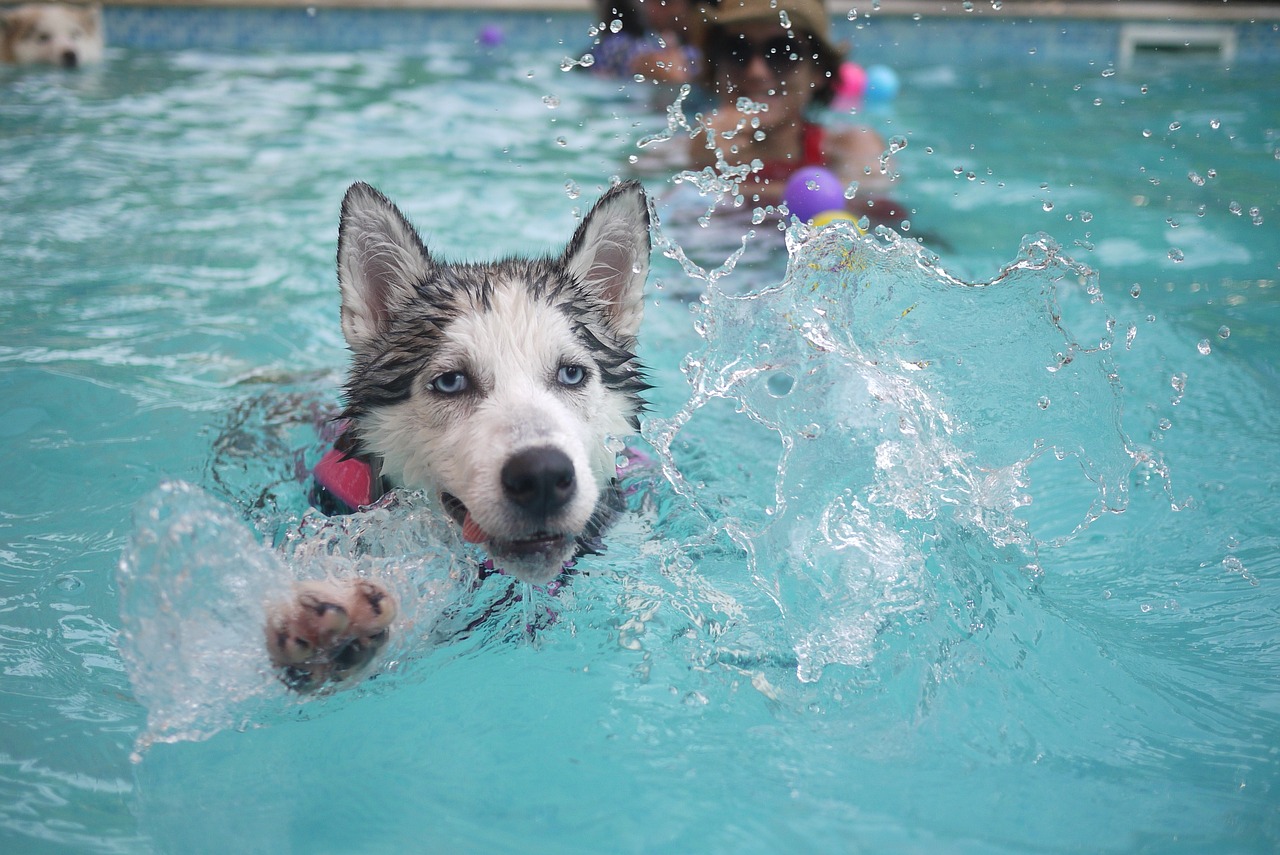
Hydrotherapy is also very common for those animals with joint problems. Since in water we do not carry the weight of the body, this type of physiotherapy for animals is indicated for those whose muscles or bone structure is weakened. The rehabilitator will be in charge of assessing the modality of the swim, the intensity and the time.

Laser therapy or ultrasound are also very often used for the treatment of pathologies. The intensity and depth at which you work will always depend on the degree of the disease and should always be supervised by a rehabilitator.

Physiotherapy for animals as part of rehabilitation can greatly improve our friend’s recovery process. In our store, you can find massagers and hot and cold therapies that will help you achieve these goals.

Elbow bursitis is a more frequent ailment than we think in dogs. Especially in those that have medium or large size and short fur. It is nothing more than an inflammation of the bursa in which the synovial fluid of certain joints is located. Specifically, those that have a gap between the bones they join. It is in it that this bag is located, which wraps around the joints. Almost all joints in the body of humans and animals are of this type, such as the knee or elbow. And it is in the latter that elbow bursitis is most often given in dogs.

Cómo detectar y tratar la bursitis de codo en los perros

Elbow bursitis in dogs: diagnosis and treatment

The appearance of bursitis in the elbow of a dog’s paw spontaneously is quite rare. It will usually appear after a strong blow to the area. Or after a light blow but that the animal is given continuously. When it occurs, it is quite evident that something happens to the animal. The joint begins to become inflamed and the animal has trouble walking and moving it. In addition, he begins to have pains.

Logically, the earlier it is detected, the less gravity it will reach. To do this, it is advisable to explore the dog’s paws with some frequency and, before any strange lump in its joints, go to a veterinarian. He will examine the animal and prescribe the most appropriate treatment.

This treatment will be different depending on several variables. Among them, the state of bursitis, as well as the presence or not of certain complications. For example, from an associated infection. Usually, it will be enough to put a bandage on the affected limb. You may also advise the use of an elbow orthosis to reduce it.

In cases where there is infection, it will also be treated with antibiotics. If it is advanced, it may need to be drained, using a fine needle. And if it is a severe bursitis, it will be necessary to perform a surgical intervention to reduce it.

How to avoid the appearance of bursitis?

To prevent as much as possible the appearance of bursitis, repetitive blows should be avoided. Against the abrupt and strong little can be done, but at least the others can be tried. For example, those that can occur when lying on the ground. To avoid them, a soft surface can be placed where the dog usually lies down.

Obviously, if it is done suddenly, the dog will reject it. Especially if you are an adult and not used to it. Therefore, the sooner you start getting used to sleeping on a cushion of those used as dog beds, the better. If possible, it should be started when the dog is still a puppy. This will make it easier. If you do not accept it, you can try it by placing a soft carpet where you are used to lying down.

It is also advisable to avoid, as far as possible, that the dog lies on the asphalt. Also on the ground if there is no grass or grass on it, since being hard and presenting an irregular surface, it can damage the elbows and lead to bursitis.

Dogs that undergo an operation have to go through a period of rest and care to return to their normal lives. Therefore, the
recovery of dogs
requires special care that in many cases depends on the type of operation they have undergone.

Regardless of this, a series of guidelines to follow will have to be taken into account when the animal leaves the veterinarian and arrives home. This way you will be more comfortable and your recovery will be more bearable

Rodillera para perro

What to do to help dogs recover after an operation

While the dog is still in the veterinary clinic, it is advisable to accommodate its rest area according to its condition. It is convenient to keep it especially clean and ventilated. And as quiet as possible so that the animal can be relaxed and smooth.

During the first days, and depending on the severity of the operation, it is convenient that you do not do much exercise. You just have to go out to relieve yourself. And in these cases, you don’t have to let him walk away.

You also have to be very careful of your wound, and prevent it from licking it. Although in many cases, a dog licks a wound is good, if it has stitches it is not advisable. He could remove them ahead of time, and the wound would open. So, if the animal begins to lick the wound of the operation, everything possible must be done to avoid it.

The simplest way is to place a necklace around his head, shaped like an open bell. This collar, made of transparent plastic, prevents him from doing so, and is annoying for the dog. However, it is the best way to avoid problems with wounds.

You also have to remember to give him the medication that has been prescribed. And make him drink plenty of fluids. Above all, in the hours after the operation, so that it expels the anesthesia.

Wound cleaning

In addition to certain medication, the veterinarian will recommend to the owner of the operated dogs how to take care of the wound. Above all, how you have to clean it to avoid infections.

In general, an antiseptic solution should be used for this purpose two or three times a day. And carefully monitor the wound so that there are no problems. Of course, before any alteration that presents, you have to go to the veterinarian to rule out problems.

External aids in limb operations

Operations on the limbs are some of the most annoying for dogs. Not a few, in addition, take a long time to heal. And some even require specific rehabilitation so that the animal can regain mobility in it. As long as, of course, the wound is already completely closed and healed.

In these cases, the dog may need some kind of support or protector not only to avoid harming himself. Also to be able to have more firmness in the use of the affected leg. For example, in the case of bone fractures, it may be advisableto put a splint on it. Or simply, a protector or a support, which can be knee, carpal, tarsus, hip, etc. With them, the dog will feel safer when moving.

As they get older, dogs also have their ailments. Among them, arthritis, a disease suffered by about one in five dogs. Arthritis affects the joints and causes affected dogs to swell one or more legs. Arthritis in dogs will cause them to not only walk badly. It will also cause them a lot of pain.

This disease is degenerative and in many cases has no cure, but at least it can be treated so that it progresses as slowly as possible. Especially if it is diagnosed in its early stages. Then measures can be taken to alleviate its effects, and to improve the quality of life of the animal. But to achieve this, it is essential to detect its symptoms as soon as possible.

artritis en perros

Main symptoms of arthritis in dogs

Among the main symptoms of arthritis in dogs is the difficulty that those affected have to get up and lie down. They may also have more or less stiffness in the affected legs. Because they may have one or more affected.

In addition, they are reluctant to climb stairs, nor do they want to jump. They may also stop performing certain movements that they used to do habitually. In parallel, noises can be heard when bending the legs. And inflammation may be visible, making it easier to detect the disease.

It is normal for the dog to also have pains, which will cause him to complain. In any of these cases, it is advisable to consult with the veterinarian so that he can correctly diagnose the ailment.

It should also be borne in mind that arthritis in dogs does not only occur in animals of a certain age. It can also affect younger dogs. In these cases, arthritis is usually due to an injury, and also to a strong blow.

Treatment of arthritis in dogs

As we have mentioned, following certain guidelines and treatments, arthritis in dogs can be relieved and slowed down. Also largely avoid the pains it causes.

Generally, the first thing the veterinarian will do after the diagnosis of arthritis is to put a drug-based treatment. Among them there will be analgesics for pain, and also anti-inflammatories. Of course, the treatment will depend on each animal and also on the advanced nature of the disease.

It is also usually recommended that the dog take a food supplement, focused on the regeneration of cartilage that has suffered damage. Among them, those with Omega 3. In many cases they can relieve inflammation and cause the condition of the affected legs to improve. And in later cases, and if the arthritis is usually very advanced, the veterinarian may recommend an operation.

In addition to the treatments proposed by the veterinarian, certain measures can also be taken to facilitate the daily life of the dog. For example, you have to monitor your diet to prevent it from getting fat and overloading your joints. You should also try to get him to do some gentle exercise on a daily basis. For example, walking for 15 or 30 minutes every day. Swimming will also be good.

In case the disease causes pain to the dog, and difficulty moving, it is advisable to use protectors or orthoses on the elbows or knees of the affected paws. With them, the limb will be safer, and the dog will have less pain.

Ayudas para perros con artrosis

If your pet has an injury and you want to speed up his recovery, you may be interested in rehabilitation for dogs. Today we tell you everything you need to know about these treatments.

There is nothing worse than watching our best friend suffer. An injured dog is more inactive than usual. You can see the pain in the movements, how he wants to run and jump as always and the sadness that produces him not being able to do it. In those moments, you would do anything to help him get back to being healthy. Have you considered rehabilitation for dogs?

Todo lo que necesitas saber sobre la rehabilitación para perros

What is rehabilitation for dogs?

As with humans, rehabilitation for dogs consists of a series of exercises and treatments coordinated with a professional physiotherapist. These treatments are designed to relieve the pain of the injury, accelerate recovery and give guidelines and exercises to strengthen the affected part to recover normality. There are several types of rehabilitation therapy for dogs. Some are heat therapies, massages, exercises with pilates equipment, with circuits … Are you surprised? Rehabilitation treatments for dogs are very similar to those for humans. Because, after all, we are not so different from our four-legged friends.

What is rehabilitation for dogs?

You may be wondering, “Okay, that sounds good, I want my dog to recover as soon as possible. But does rehabilitation for dogs really work? What can a therapist offer my pet?” Well, you should know that rehabilitation for dogs has many benefits for your best friend.

  • Decreased pain. Thanks to massages and therapies such as heat, the muscles and bones of dogs are relieved and relaxed. In this way, dogs with ailments such as a herniated disc or other injuries can begin to strengthen their damaged parts again thanks to an activity that will no longer be so painful.
  • Delayed atrophy. The immobility of an injury ends up causing other associated problems, such as atrophy or weight gain. With dog rehabilitation you will keep your pet moving and fit. As soon as that injury heals, he will be ready to run again.
  • Re-education of the movement. Some physical or mental injuries seriously damage the mobility of our pets. Rehabilitation for dogs can activate damaged muscles, regain balance and improve coordination. There have even been cases of dogs with reduced mobility for, for example, neurological injuries that, with a lot of work and affection from their owner and the therapist, have been able to return to being independent and active.

As you can see, there are multiple benefits of rehabilitation for dogs. With the help of a professional therapist, you will be able to greatly improve your pet’s quality of life. Don’t let that injury stop him from leading a happy and active life. If your dog is suffering the aftermath of an injury, don’t hesitate. Contact a center specialized in rehabilitation for dogs and take care of your health from today.