Gustavo gato paralítico

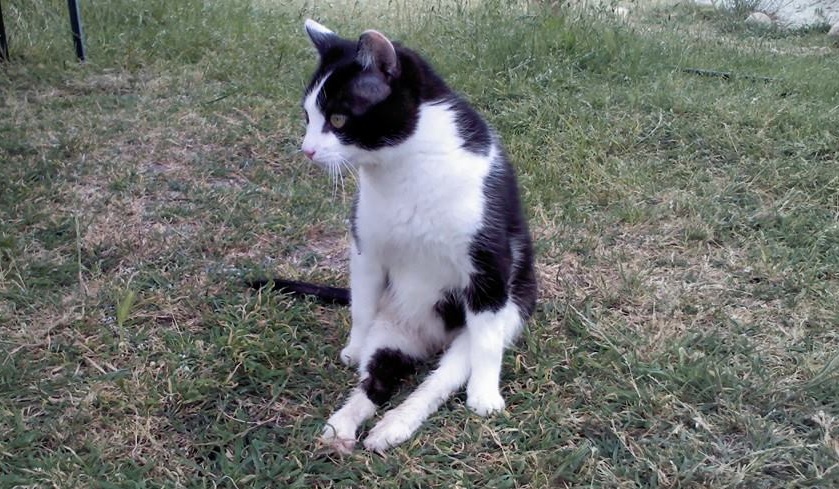
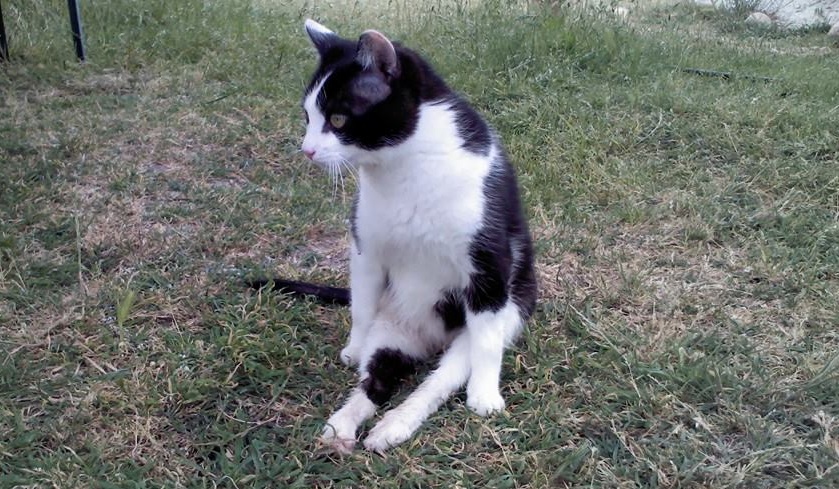
Meet Gustavo the paralyzed cat. It is a docile, affectionate cat… and fighter. Arrived at the Protectora Scooby of Medina del Campo (Valladolid) with an alteration in the back legs that prevented him from flexing them normally, probably due to an injury to the middle part of the spine. He had been picked up by a gentleman on the street and nothing is known about his previous life or the reasons for his disability.

As you can see, Gustavo moved crawling thanks to his front legs. Although from the protector they tried to give him a life as normal as possible, his state made him fear that he would end up with skin lesions, that he would have to spend a lot of time in a cage and, most importantly, that he would never be adopted.

The girls of the protector decided to do everything possible to help him and created an event on Facebook to raise money. Thanks to his effort and the contribution of friends of the Protector, Gustavo has his wheelchair totally tailored to Ortocanis.

Gustavo adapted in just a few days. At first, seeing himself able to move around himself, he wanted to go a little fast and had some scares… but now, this is Gustavo with his chair 🙂

Gustavo’s first day with his chair:

In addition to being able to move, the chair also allowed him to try to exercise his back legs. Thus, a “self-rehabilitation” was done… and this is the magnificent result: as you can see Gustavo begins to walk by himself.

Gustavo continues to rehabilitate himself and plans to travel to Madrid, where the Bichosraros association has offered to take care of his physiotherapy. Now you only need a shelter in the area Anyone cheer up?

Wheelchairs can be a solution for paralyzed animals, but also a great help for rehabilitation.

Orthocanis Team

Silla de ruedas para perros y gatos

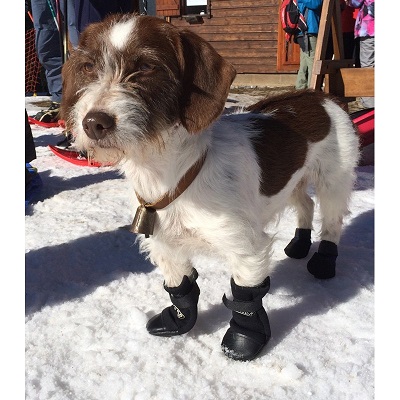
Dog boots are a great help both to prevent injuries and to help their healing.

Boots as prevention… in summer and winter

Herida en la pata del perroSpikes: in spring and summer. They are usually stuck between the fingers. Once they are nailed, due to their characteristic shape, they advance inland and can travel great distances and cause serious infections. In addition, stones, twigs, crystals,… all of this can injure your dog’s paws in the field.

zapatos-perro

Snow: Snow can lead to dermatitis and cracks in the pads. In dogs of small size even freezing of the final part of the paws). On sunny days, we should protect our dog’s pads as artificial pavements can be at very high temperatures.

Sport: intense exercise, especially on uneven terrain can wear down the pads of dogs, so it is recommended to protect them by using boots.


Boots as an aid in the treatment of wounds

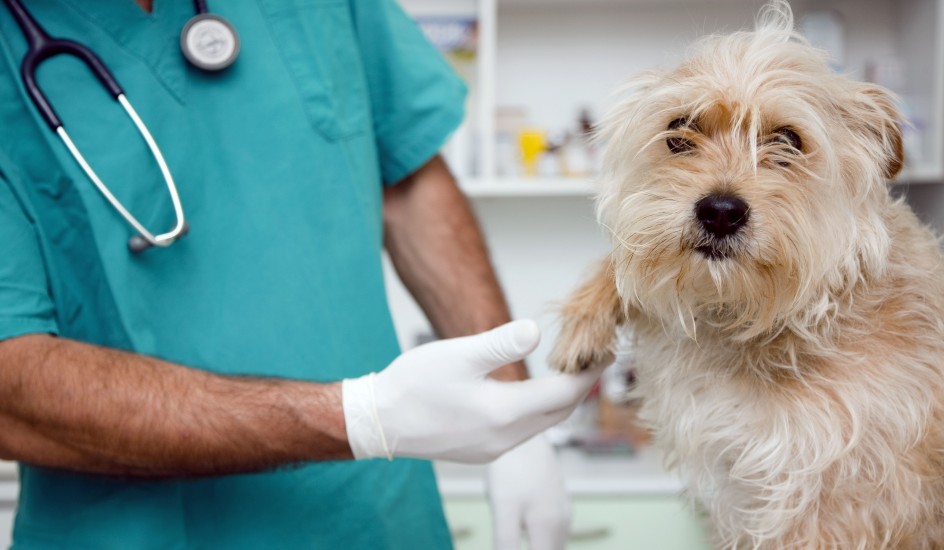
Boots are a very good alternative to some bandages for injuries to the dog’s “feet”. They allow them to go more comfortable and, most importantly: they are easy to remove and put on, so we can see the status of the injury at any time and let it “breathe” from time to time.

Perro con veterinario

Boots as an aid to dogs with reduced mobility

Boots become indispensable in dogs with movement problems, either due to hip dysplasia, a rupture of the cruciate ligament or, simply, advanced osteoarthritis. They allow dogs to have a greater grip on the ground, improve a lot when walking, and avoid injuries due to a “slip”. Especially important inside the houses, where stoneware or parquet usually slip. An alternative to conventional boots are rubber boots, which protect from aggressive surfaces allowing the dog to maintain sensitivity in the pads while improving their adhesion on sliding surfaces.

Do you want to see how dogs “manage” with rubber boots?

Laura Perez

Orthocanis Veterinarian

Botas protectoras para perro

Do you remember Glory, a dog with only one leg? We already published a post about Glory the dog with just one paw in case you want to know the beginning of the story.

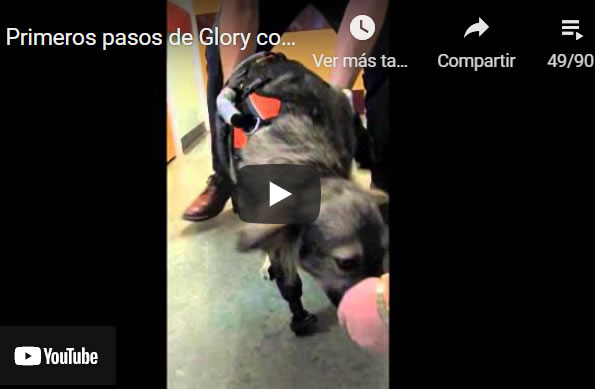
Glory got her three prostheses thanks to anonymous donations. But its use always requires a period of adaptation and for Glory it was the first contact with an orthopedic device, imagine wearing no less than three of them … Here is the video of his first steps with prostheses:

As you can see, at first it looks weird and it is difficult to control the steps. But with a good motivation like food he manages to forget those sensations and starts walking

Glory has been impressing owners and veterinarians with her ability to adapt to something so difficult. The rear prosthesis resisted a little more, but nothing is insurmountable. This is Glory 16 days after his first contact with the prostheses:

Adapting dogs to prostheses is not done overnight, but Glory has shown that dogs are capable of this and much more. She has been the first to demonstrate it and has opened the door to this type of procedure, which allows to give a more than dignified life to dogs that until now were destined for immobility or euthanasia.

Bravo for Glory and her caregivers!

Thank you to everyone who made it possible.


Férulas caninas


Miedo a los petardos perro

Above all: keep a calm and normal attitude . Act as you would on a normal day. Neither do you quarrel with him, nor do you pamper him too much, but the dog will further accentuate his feeling that it is a “rare” day.

Find a safe place for him. Almost all dogs have a place in the house where they feel safe. On the day of the firecrackers, invite him to go, accompany him and stay with him without saying anything for a while.

If your dog still does not have a safe place, a few days before you should create it. Choose a dark place, away from doors and windows and with little traffic of people. It can be under a piece of furniture, inside a carrier,… To make him “fond” of him, make him play there, give him prizes and caress him in the same place: he will end up relating him to something pleasant and will go to that place every time he feels fear, stress or anxiety.

To further accentuate the feeling of normality and camouflage the noises of the outside you can turn on a television or radio, it is not necessary that the volume is very high.

Be careful about leaving doors or windows open. Not only because the sound insulation would go to waste but because fear could make him escape. To some bad, updated chip and insert with the address or contact telephone.

There are medicines and natural products to help your dog be calmer. Remember that each dog reacts differently, both to stress and to anxiolytic medications, which is why you should always consult with your veterinarian. Surely he will know how to choose which is the best help for your friend.

Laura Pérez – Orthocanis Veterinarian

Ortocanis productos ortopédicos para perros


Cama ortopédica para perros

Peque, el perro en ruedas

On April 27 I approached the Fira de la Terra in the Ciutadella Park, in the heart of Barcelona.

There I had stayed with my friends from Bichosraros and kat’s Club, associations with which I collaborate and that take care of disabled dogs and cats. I had the luxury of seeing how their great work grows, and how more and more people are sympathetic to them. Each association has dozens of protégés, each with a different story, but all with a common denominator. They have found their place.Perro con lesión de médula

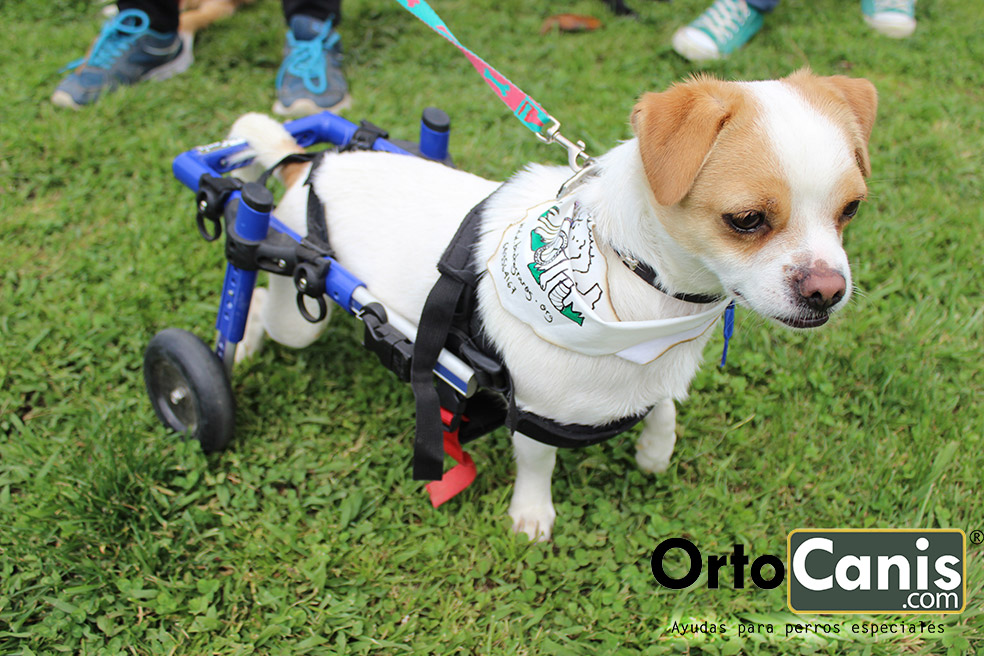
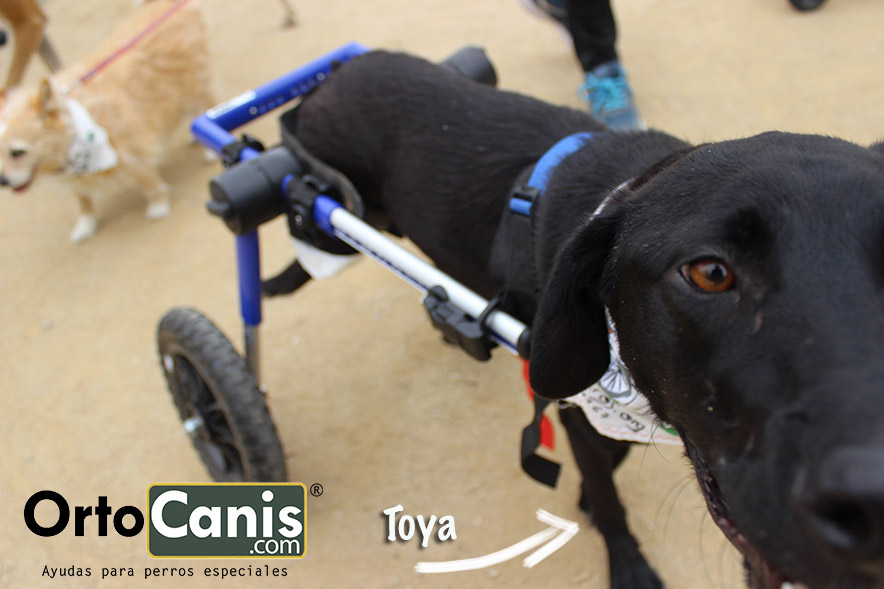
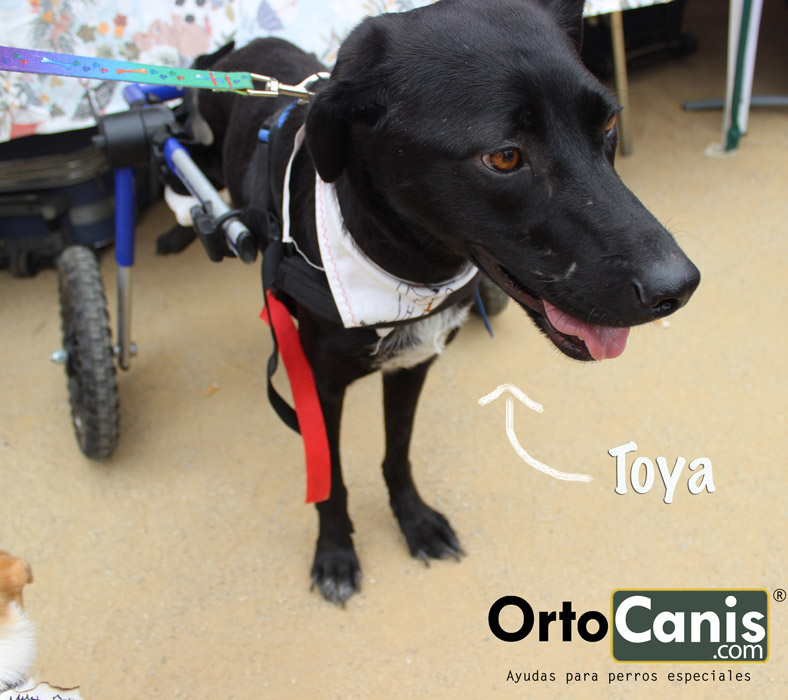
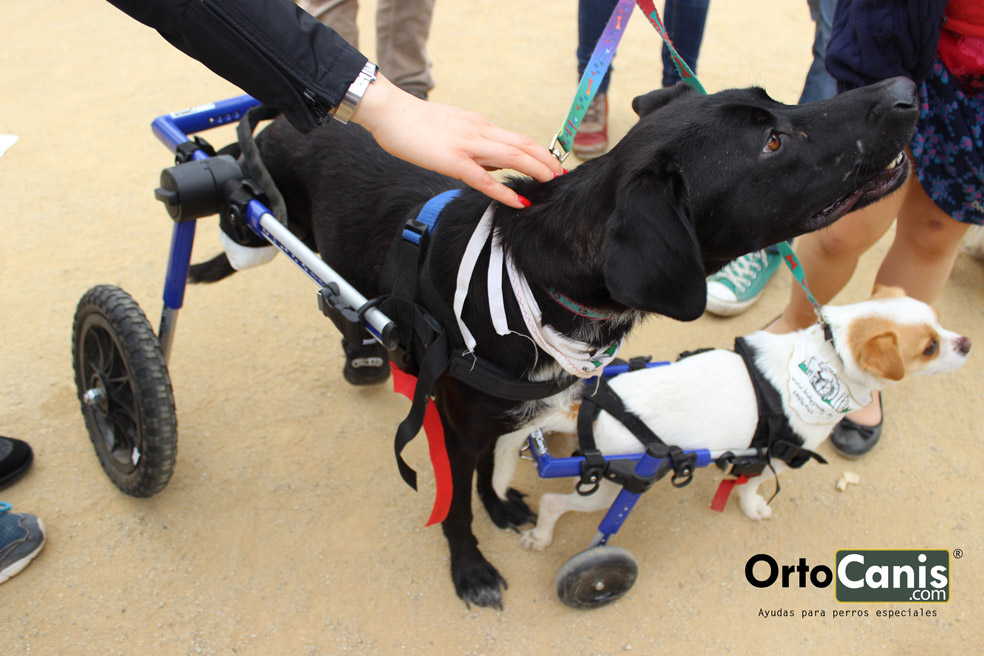
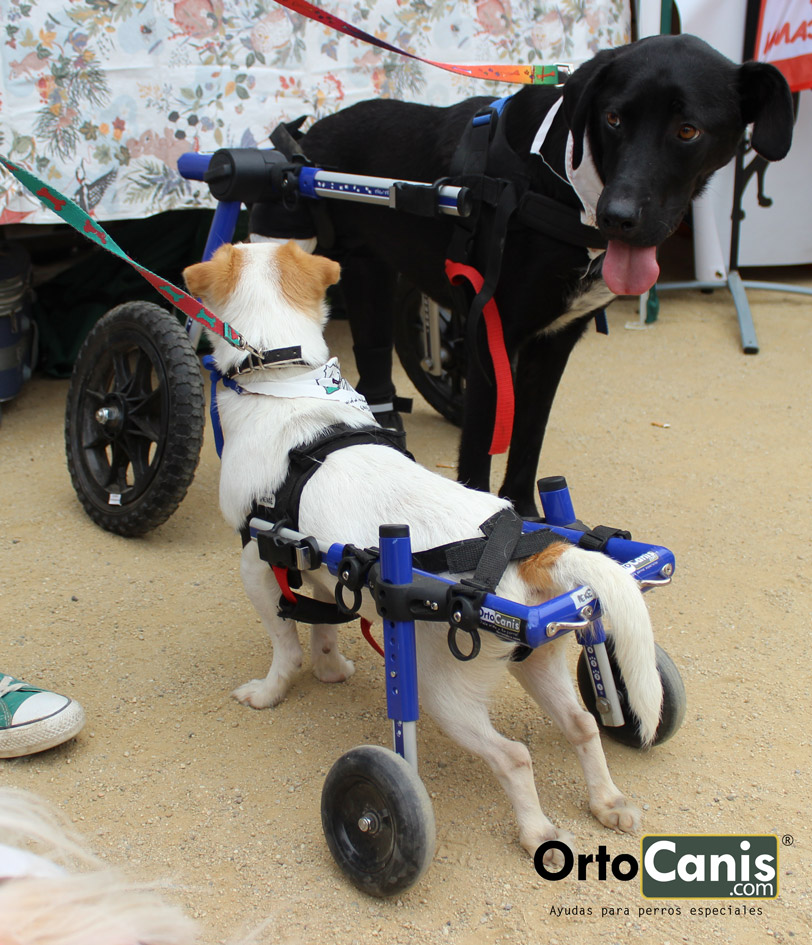
I got to know Toya and Peque up close, two charms that use self-adjusting wheelchairs. Toya is a dog with a paralyzed hind leg and the other amputated. Peque is a little boy of a year and a half, incredibly affable, who suffered an injury to his spine that left his back legs totally immobilized. Both collected from the street. Both saved from a terrible end and lucky to have the best care. We leave you some images so you can see them.
Toya en su silla de ruedas de Ortocanis.comPerro en silla de ruedas
Toya y peque, perros discapcitados en su silla de ruedas


Carritos y sillas de ruedas para perrosWant to see them on the go? watch this video:

Toni Fernandez

Ortocanis.com

Férulas caninas

The bed is sacred! If cats are so easy to adapt and sleep anywhere… why will they come to steal anyone’s bed?

Don’t miss this video of the dogs’ reaction when another family member takes away their corner.


Cama ortopédica para perros

Colchón Ortopédico para perros

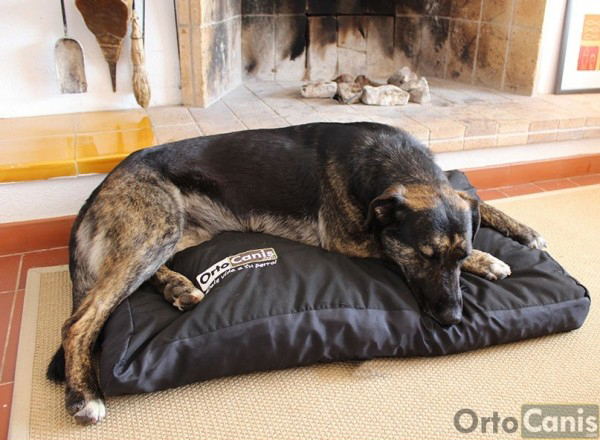
Like humans, dogs need a comfortable place to rest and relax. Choosing the most suitable type of bed for your dog can be a heavy job due to the variety of models, but if in addition to a comfortable bed you want to consider the right one for his personality and health, either by age or disease, how does one to select the perfect bed?

Choosing the dog’s bed is much easier if you have the following points in mind:

1 – Keep in mind your dog’s tastes.

Notice how your dog likes to sleep. If it is covered under a pile of blankets and pillows, a sack bed style would be very suitable, allowing you to get inside and be between two layers. A dog that enjoys sleeping in the corner of a sofa, or a chair will appreciate a three-sided bed, allows it to lean on the corner, keeping its back and butt warm in contact with the surface. If your dog stretches out and stretches while sleeping, a fluffy, flat bed like a mattress is perfect for him to enjoy space and comfort.

2 – Choose a bed with a removable and washable cover.
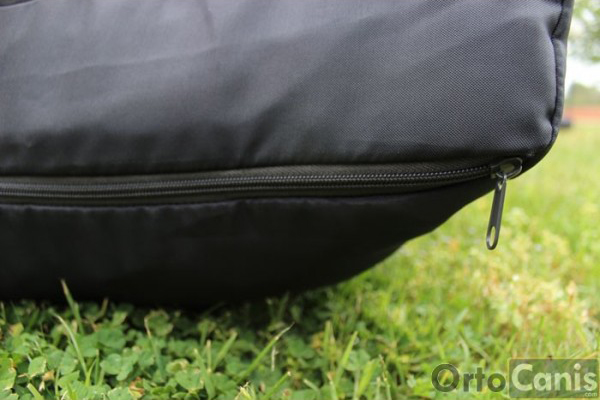
colchon-extraible-ortopedico-perroKeep in mind that the cover is made of a resistant material, some dogs are prone to scratch the cover so we will choose a material that does not tear easily and that protects the inner filling. It is essential that this cover is easy to remove and you can put it in the washing machine for greater comfort and hygiene.

3 – Consider your dog’s age, health and behavior.
Colchón para perros displasia

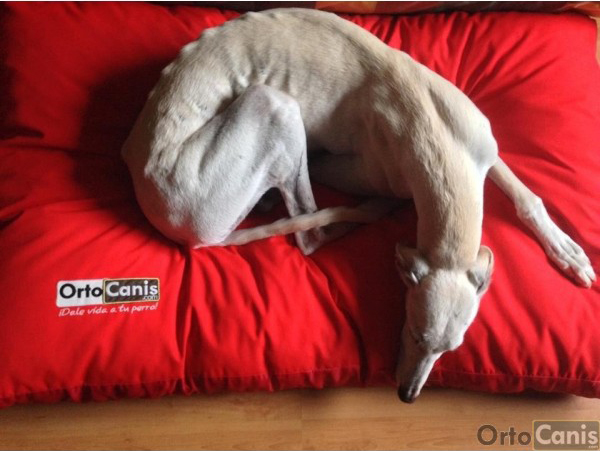
For puppies and dogs with a tendency to bite everything, beds or blankets should never be used with easy access to any type of filling. It is common for them to bite the inside and this can cause intestinal obstruction if ingested. Older, sick dogs, and giant breed dogs require extra support, and can benefit greatly from orthopedic beds, anti-bedsore mattresses , and thermal mattresses . If you have a disease such as arthritis or osteoarthritis and therefore spend much of the time lying down, it is very important a strong and resistant filler adaptable to your body, which protects the skin and prevents the appearance of bedsores. In this sense, the best is an antibacterial and water repellent cover in convination with a chopped viscoelastic filling, which allows the passage of air and is thermo-adjustable, allowing a perfect adaptation and avoiding pressure points. Giant breeds often have a hard time staying cool during the hot months, thermoregulable mattresses on the market can provide you with refreshing relief during the summer months.

4 – How you need the bed to be.
Colchón ortopédico para perros

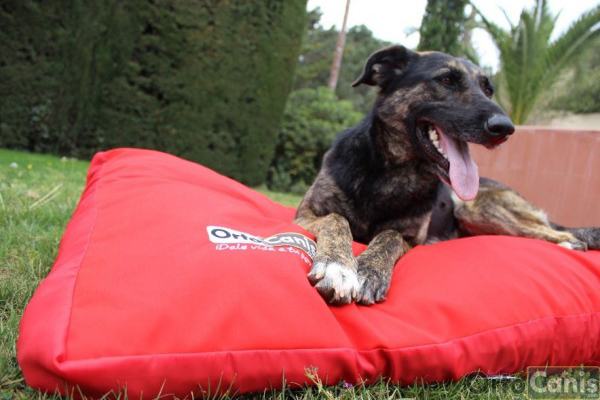
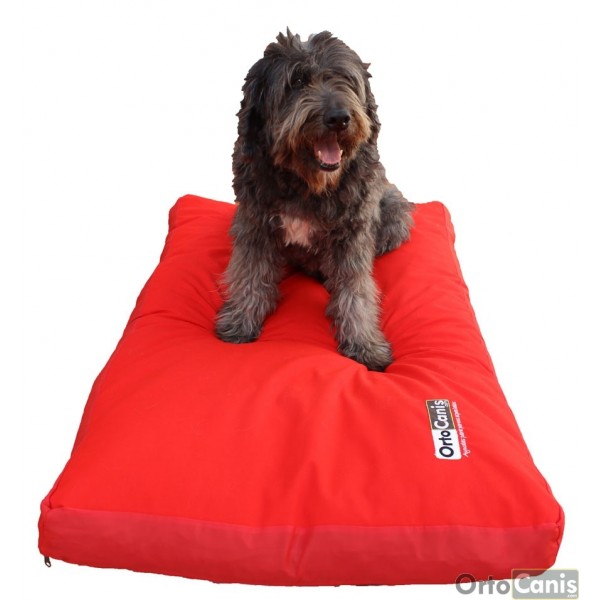
Are you going to place the bed in a box? a rectangular bed that fits the box is necessary, some dogs prefer beds reinforced with boxes, others are uncomfortable or difficult to access. Are you going to use the bed for camping or in the yard? If so, you are interested in the bed being waterproof and suitable for outdoors. Permeability is a very important feature to consider. If, for example, your dog drools a lot or is prone to urinating while sleeping, you’ll need to choose a bed with a washable, liquid-repellent cover. There are also new orthopedic beds made with antibacterial fabric that prevent bad odors.
Conchón para perros enfermos

5 – Ecological materials.

There is a wide variety of eco-friendly dog beds on the market, created with fabrics made from organic and recycled materials. The dog and the planet will thank you.


6 – Last but not least, the budget.

Bed prices can range from less than 20 € to hundreds of euros. Depending on the needs, the qualities of the covers and fillers and the possibilities of each owner. Beds with covers of intelligent fabrics (water repellent, antibacterial, antiallergic) and memory foam or chopped viscoelastic fillers are a good option for dogs with joint problems but have a somewhat higher price.

Colchón ortopédico para perros


jumbo-perro ciego

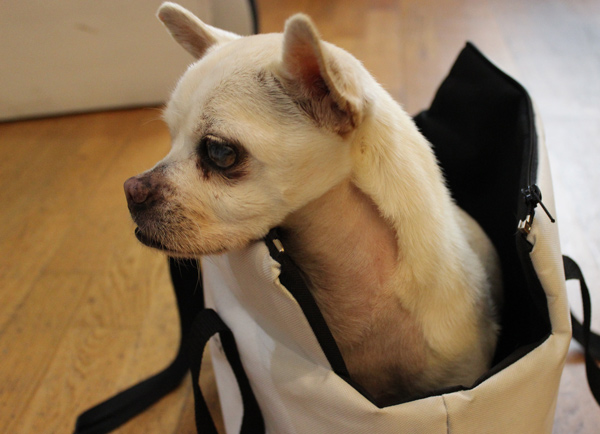
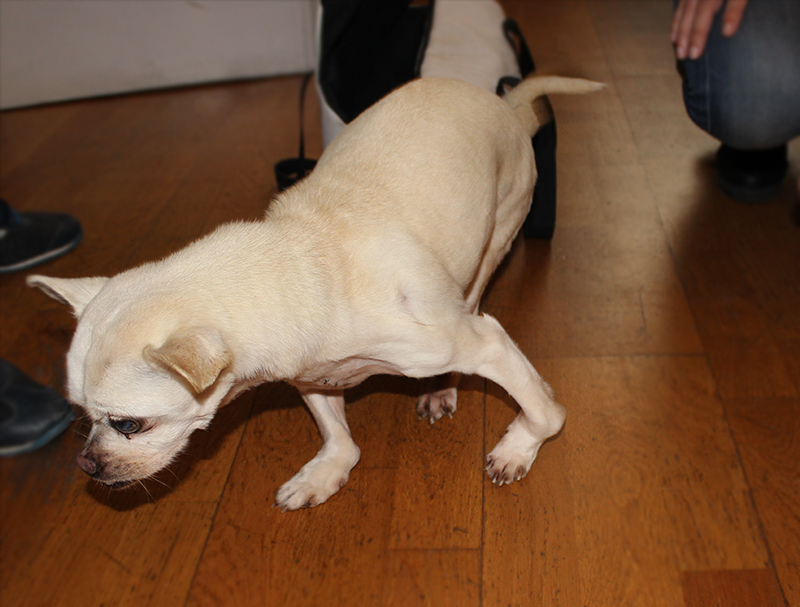
Jumbo and his brother are two dogs that have not had it easy from the beginning. Both were born blind and abandoned. They were initially welcomed by a couple, both of them, but once the couple separated the boy stayed with the dogs and soon they were back on the street.

Perro ciego con carpos rotos

Being blind they knew that if they stayed together they had a better chance of surviving. But one night crossing a little-traveled road, they were both run over. There were several injuries suffered and the Jumbo carps never came to be welded but given the seriousness of the run over and the state in which they were found they were lucky to remain alive.
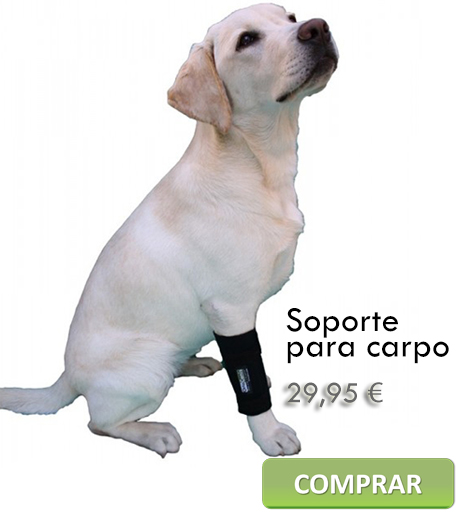
Jumbo-con-soportes de carpo

After a while the girl (ex-partner) learned that they had been abandoned and after months of searching she found them in a shelter. It took them in again and gives them the care they need.
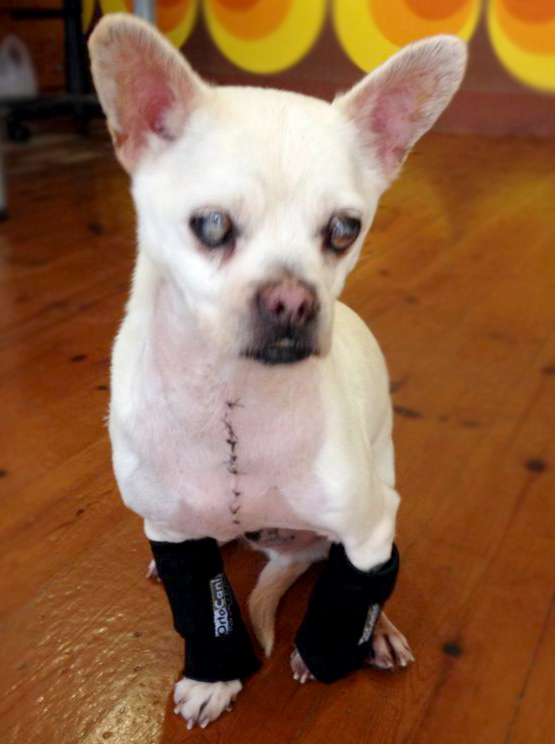
The recent chest scar is from an operation to remove a hook he ingested on the beach while trying to feed. Now he is much better and they have put some carpal supports with which he can correct the position of these, relieve discomfort and avoid future injuries.

jumbo

“Despite being totally blind, they do not usually run into obstacles,” says their caregiver María Teresa R.. It’s amazing how well they’ve adapted and how they recognize the terrain before moving forward thanks to their tremendous sense of smell and fine-tuned ears. We were also moved to see the passion they show for their caregivers and the affection with which Jumbo conveys its gratitude.

Perro-jumbo-y-hermano-ciegos

Jumbo y Pati con cuidadores

Editor: Ortocanis.com Team

Video of Jumbo when he starts walking with the carpal supports:

Soporte para carpo


Ayudas ortopedicas para perros

New technical and orthopedic aids for dogs are used in a wide variety of cases. These increase the mobility of dogs by providing the necessary support to maintain daily activity. Dogs need to exercise to maintain their physical and emotional well-being. If a dog is unable to exercise, it can develop problems such as heart disease, obesity, bone alterations, muscle atrophy, and emotional problems such as aggression or anxiety.

Applicable cases

Technical aids can be used for sprains, muscle weakness, arthritis, hip dysplasia, post-operative rehabilitation, lameness, weakness or pain in the joints that end up generating a mobility problem. The technical aids should allow the dog to perform its daily activities, but they should also be comfortable and offer protection against irritations and ulcers on the dog’s skin so it is important that they are performed by specialists. We list the most frequent:

Knee

Protector de rodilla canina

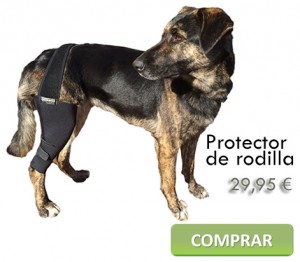
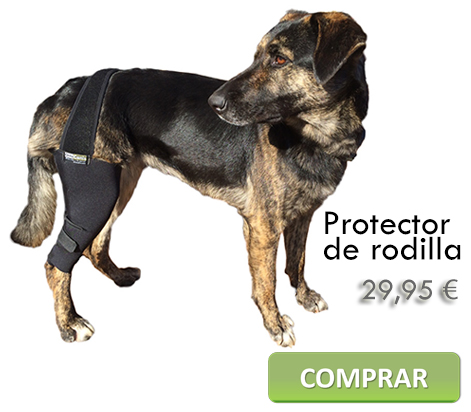
Knee protectors are typically used after surgery for rehabilitation of the anterior cruciate ligament (ACL), patella dislocation, medial collateral ligament (MCL), lateral collateral ligament (LCL), or posterior cruciate ligaments (PCL). Knee pads provide support and stability, prevent muscle loss during the recovery period, and reduce the risk of further injury. Knee protectors are also often used in cases where surgery is not performed.

Tarsus and Carpus

Protector de tarsoSoporte para carpo


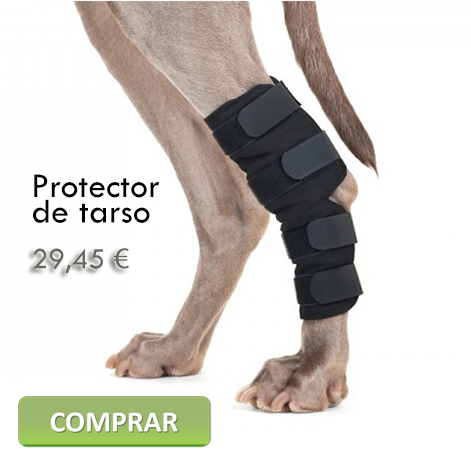
Tarsal protectors are indicated in cases of osteoarthritis but also for post-surgical rehabilitation or injury to the Achilles tendon, nerve damage to the hind limb or foot and rehabilitation of the hock joint. They can also be used as long-term support in non-surgical conditions. A tarsus or hock protector stabilizes the bone of the back leg, as well as the muscles and tendons of the limb and knee. It works similarly to a knee brace in humans, allowing the dog to move without straining the joint. It also prevents the dog from re-injuring the affected joint or ligaments.

Elbows

Protector de codo canino

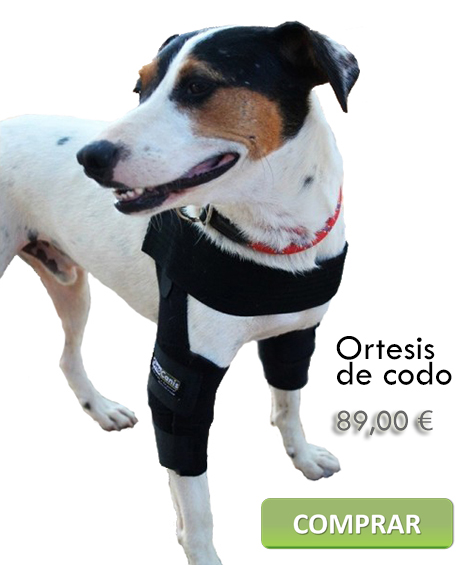
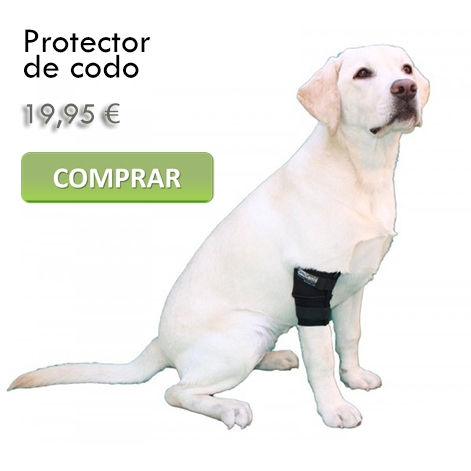
An elbow protector is used to support the elbow joint after surgery or to reduce pain from arthritis, degenerative joint diseases, or other similar conditions. It provides control in lateral movement while allowing for normal extension and flexion while treating and protecting hygromas and calluses.


Soporte de cadera caninoHip

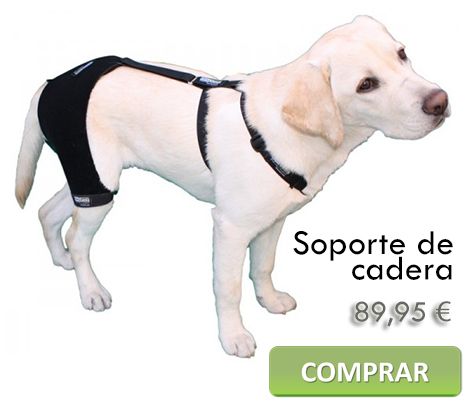
A hip support holds and increases the temperature of the dog’s lower back and hip. Made of special neoprene, it surrounds the lower back, hip and upper leg and is fastened thanks to a Roman-type harness. Hip supports are commonly used for dogs with mild to moderate hip dysplasia and localized osteoarthritis.

Shoulders

Ortesis de codo canina

Medial shoulder instability (MSI) is one of the causes of lameness in the front legs. A special support would allow the shoulder to be supported, which would limit the extension, flexion and abduction, allowing the dog to support its weight. These aids can be used after surgery or as a non-surgical treatment but also preventively.

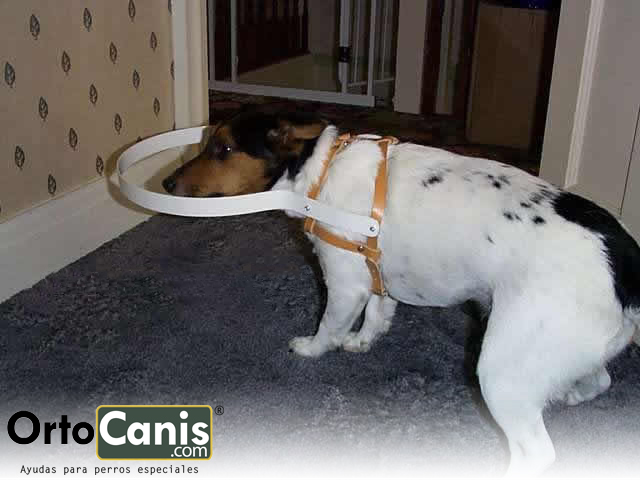
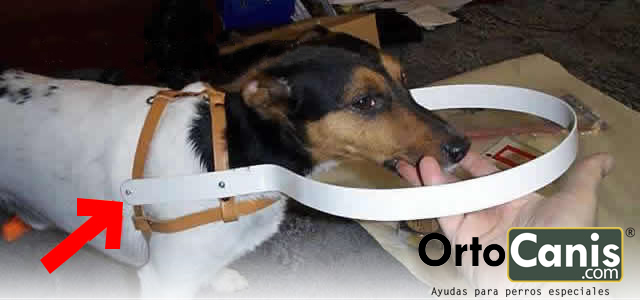
Blind people use a cane to orient themselves in space and know where there are obstacles. Other animals naturally use sound, whiskers or other warning devices.

Perro ciego

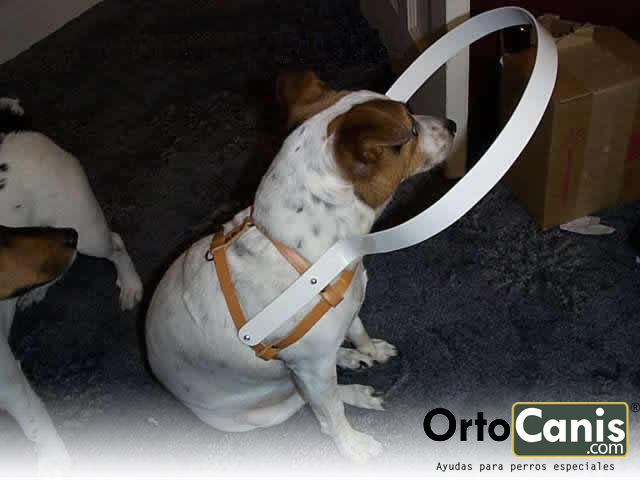
A blind dog also needs something to tell it when it is approaching an obstacle. Dennis Hacker, a veterinarian from California, told us how to manually make a “cane” for a blind dog.

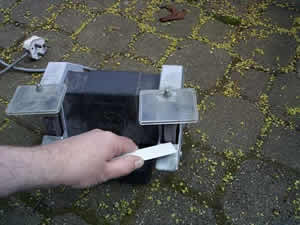
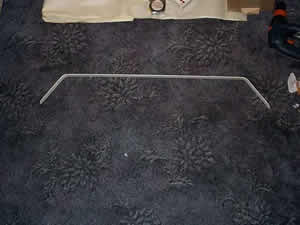
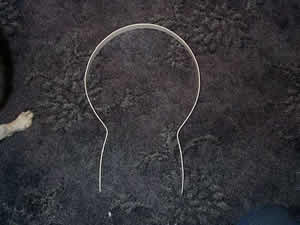
Using an aluminum strip, which allows to give it the desired shape while providing a solid barrier for the dog, we make a ring that fits the harness, with a prudent angle so that it can turn its head and have mobility in it.

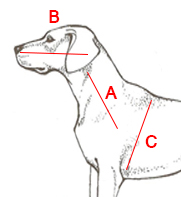
Medidas de bastón para perro ciego

To manufacture it, we need to take 3 measures:

A – From the front leg to the neck.
B – From the neck to the tip of the nose.
C – The diameter of the chest just behind the front legs.


Necessary material:

A – An aluminum strip of the correct size, these are the measures A + B multiplied by 3.
B – Leather harness, to fit on the chest. Remember that blind dogs tend to gain weight.
C – A riveting machine.
D – Rivets of 5 mm and 3-6 mm of reach.
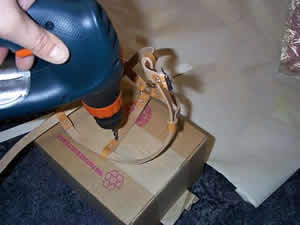
E – Electric drill.
F – 5 mm helical drill bit.
G – Sandpaper.

The process for manufacturing is as follows:

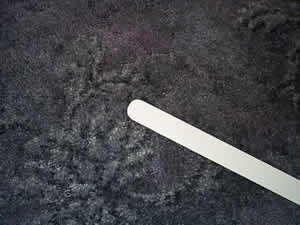
Sand the edges of the aluminum so that they are round.

lija1 lija2

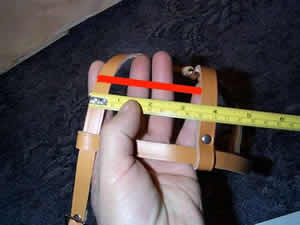
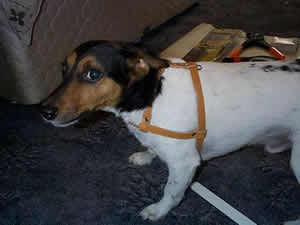
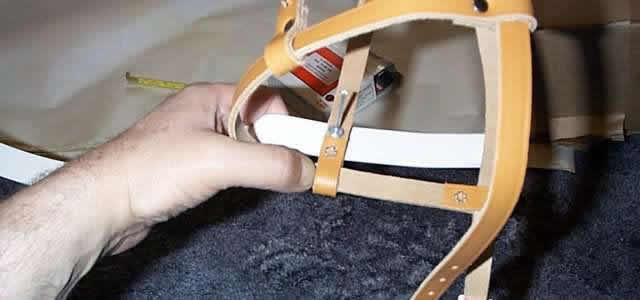
Ortocanis.comAttach the harness to the blind dog and adjust it to make it comfortable. It measures the distance between the centers of the vertical bands. This is where the ring-shaped aluminum bar is going to be put.

Medir distancia de las bandas del arnés para el perro ciego arnes3

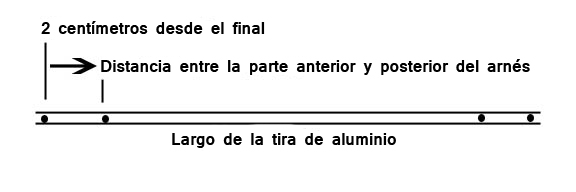
Drill four holes into the aluminum strip. A hole at each end and then another pair of holes at the distance between the two harness fasteners (as indicated in the photograph above left).

Medidas para la barra de aluminio del arnés

Pierce the harness at the bottom of the vertical strips of the neck where we measure. This is where the aluminum band is attached to warn the dog that it is about to hit itself.

taladro

Bend the distance to the ends of the aluminum bar with an angle of 45 degrees. Then, bend gently and in the opposite direction to give shape of circumference to the central area.

aluminio aluminio3

Rivet the aluminum ring to the harness on the vertical leather straps closest to the dog’s head.

Arnés perro ciego

Now, with the harness on the dog, level the hoop at eye and nose level. Mark the measurement and rivet the ring on the back of the harness.

Arnés para perro ciego

We already have our cane ready for blind dogs!

Arnés para perros invidentes

The result is phascinating, a solution that will improve the lives of dogs with vision problems.
At first they feel confused and need to adapt, as soon as they understand the operation and see the improvement they quickly dodge the obstacles.

In case you are not one of those who have a lot of patience, the new harness for blind dogs is now available for sale.

Arnés para perro discapacitado