Introduction to Patella Luxation in Dogs

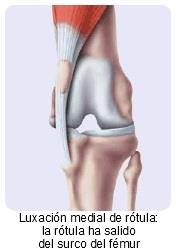
There is talk of patellar dislocation in dogs, when the patella, a small bone located in front of the knee joint and whose correct position is necessary for a good functioning of the animal’s limb, gets out of its place, trochlea, causing functional pain and weakness in the dog.

Within the dislocations, the medial dislocation is the most frequent. It arises in 80% of cases while the lateral only occurs in 20%. Between 30% and 50% of cases are bilateral and more frequent in females than in males, especially small breeds and toys.protector-rodilla-canina-perro articulada

Lateral dislocations can occur in adult small breeds and in large and giant breed puppies.

It is a pathology that is characterized by a poor alignment of the limb, deformations occur during the development of the animal, which cause the patella to come out of its place. It may be due to a congenital disease or, in some cases, caused by trauma.

It is convenient that dogs suffering from this congenital pathology are not used in reproduction since it is transmitted through generations.

There are dogs that have patella luxation due to trauma. In these cases, the dislocation is generally associated with a rupture of the anterior cruciate ligament of the knee.


Types of Patella Dislocations in Dogs

Depending on the clinical signs and later on the radiological results, dislocations can be classified into 4 degrees:


patellar lux_f
Grade
I – Intermittent patella dislocation causing limping of the limb when it is out of place. In the dynamic test, every three or four steps they raise their leg by flexing the knee or they take a little jump.

Grade II Dislocation that occurs more frequently than in Grade I. The kneecap is easily dislocated. There is a slight external rotation of the leg. Many dogs live with this grade for years before progressive arthritis manifests as lameness or more serious causes.

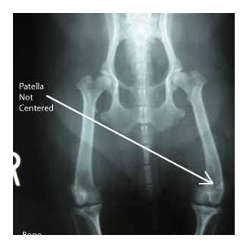
Grade III IV The kneecap is permanently dislocated, with very noticeable external rotation of the leg. There is moderate lameness. If it is bilateral, dogs walk with bowed legs, turning the feet inward and bearing weight on the forelimbs. In the most severe cases, it can be confused with hip problems.

In addition, the animal presents pain, crepitus and increased sensitivity in the knee, which leads to it reducing its activity, even refusing to go up and down stairs, the car or the sofa.

Treatments for Patella Dislocation in Dogs:

Treatment depends on the degree of dislocation and lameness, but in most cases surgical treatment consisting of soft tissue repair, bone reconstruction, or a combination of the two is required. There are infinite techniques and the orthopedic veterinarian chooses the most suitable one(s) in each case.

luxación de rótula

Among the most used techniques we find: Overlay of the medial or lateral retinaculum, overlay of the fascia lata, anti-rotational suture of the patellar and tibial ligaments, desmotomy/capsulectomy, quadriceps release, trochleoplasty (trochlear chondroplasty, sulcoplasty resection, trochlear sulcoplasty), transposition of the tibial tuberosity, patellectomy, osteotomy…

Orthoses as an Innovative Treatment for Patella Dislocation in Dogs

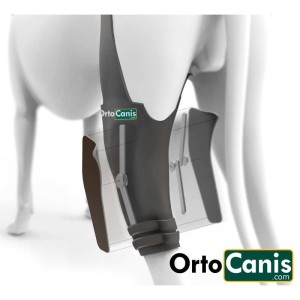
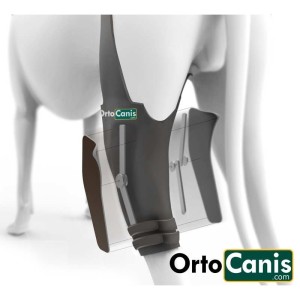
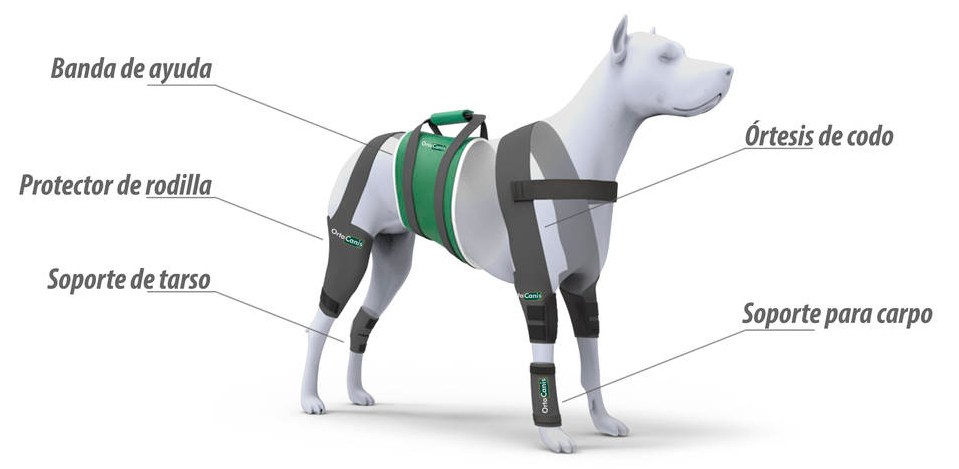
As a novelty, orthoses are being applied for knee dislocation as a means of conservative orthopedic treatment that allows the patella to be kept within the femoral condyles and avoid pain and instability. These orthoses are made to measure and are very useful in cases where surgery has failed, you cannot or do not want to operate for different reasons.

Marta Subirats & Toni Ramon

animal physiotherapists

Ortocanis technical team

Baner silla 728x90

Although it may not seem like it, dogs suffer from many of the ailments that humans experience. From a simple cold to osteoarthritis, through hernias. As in humans, those suffered by dogs can have varying severity. In addition, hernias in dogs can be of four types: inguinal, diaphragm, umbilical and disc.

In any of the four cases, it is very important to diagnose them correctly as soon as possible. In this way, the appropriate treatment can be applied to the animal to relieve its discomfort. To do this, the main thing is to understand what a hernia is, what it implies and the main types of hernias in dogs.

Hernia in dogs: main types

The hernias of dogs, like those of humans, are lumps and bumps product of the exit of tissue from some organ of its usual position. They are quite painful, and are usually noticeable because the animal has a lump where it should not. A lump that is painful to the touch on many occasions.

As we have mentioned, the main types of hernias in dogs are four. Of these, the two most common are umbilical and disc herniations . The first usually occur when the animal is very young, shortly after birth. They usually start when the mother of a puppy incorrectly cuts the umbilical cord that joins him to him. When this happens they do not have a navel left as it happens with humans. But it is noticeable in an area that there has been a union with the mother.

In that area, if a hernia has formed, there will be a lump. Do not try to push it into the animal, because it can be painful. The solution to this hernia, and in general to all, is a surgical intervention to eliminate it.

The second most common type of hernia in dogs is herniated disc. Generally, it has its origin in a fall or a blow, which cause a rupture or inflammation of the intervertebral discs of the dog’s spine . However, in older dogs it may simply be due to the deterioration of the discs.

This hernia, in addition to being very painful, can generate mobility problems for dogs. These will be greater the more advanced and severe the hernia. In many cases, the solution will be surgery, but since it involves certain risks, it is the veterinarian who will have to assess if it is worth it. Meanwhile, you can relieve their pain with painkillers and anti-inflammatories. And in case the hernia is very serious and mobility is impaired, you can help him recover it with an adaptable dog wheelchair .

Inguinal and abdominal hernias in dogs

The other two types of hernia in dogs are less common. But equally painful for the animal. They are inguinal hernias and diaphragm hernias. The first are formed in the inguinal canal, a duct located between the muscles of the abdomen.

These types of hernias, which have the appearance of a mass of tissues, can become quite large. Therefore, as soon as they are detected, it is advisable to eliminate them by surgery, and this will probably be indicated by the veterinarian.

As for hernias of the diaphragm, they can cause serious health problems to the affected dog. This hernia, which is usually internal, often develops into the dog’s body. This is dangerous, as it can displace your organs. And it makes that many times, its symptoms are completely different from those of the rest of hernias.

Among them, the dog may have shortness of breath and irregularity in the heartbeat. Also vomiting or diarrhea if it affects the stomach or intestine. In addition, you may notice strange movements in the dog’s abdomen. This type of hernia is quite serious, and must be intervened as soon as possible to correct it.

termoterapia perros

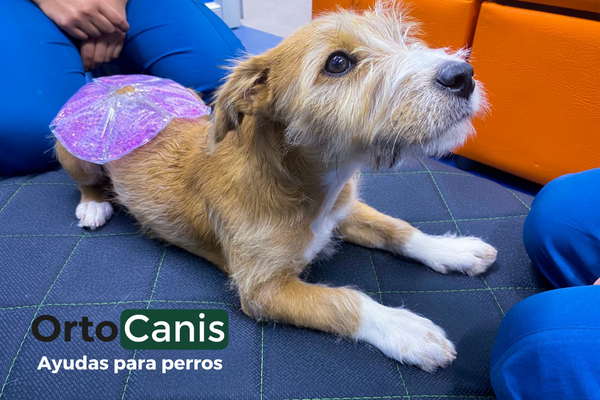
Thermotherapy for dogs is a technique based on the application of surface heat on the injured area for therapeutic purposes.

Types of thermotherapy according to your scope

  • Surface use of seed bags, microwave gel bags, warm wet towels and infrared lamps. In this way what we get is that the heat is absorbed in a cutaneous way and can reach deeper tissues through conduction.
  • Deep methods, such as ultrasound, shortwave and microwave; These produce biological effects by directly heating the tissues in depth.

Thermotherapy dogs

Main effects of thermotherapy for dogs

  • Repairing, the increase in temperature causes vasodilation and increased blood flow. This produces an increase in oxygen and nutrients to the injured tissue, favoring healing and tissue repair. That is why we should never apply this technique in active hemorrhages.
  • Sedative, heat favors the extension of muscles and tendons while reducing muscle spasm; thus achieving greater extensibility of connective tissue and less joint stiffness.
  • Anti-inflammatory, hyperemia favors vasodilation, increased blood circulation, the supply of oxygen and nutrients and the elimination of metabolites and waste products.
  • Analgesic, stimulation of nerve endings in the skin interferes in blocking painful sensations.

Contraindications of thermotherapy

  • Infections and acute inflammations , in the first 48-72 hours we must avoid this therapy, since in this phase we seek to control vasodilation.
  • Cardiovascular diseases, thrombophlebitis, acute phlebitis or peripheral vascular disease , heat increases blood flow in the area of application and lowers blood pressure, aggravating these pathologies.
  • Sensory deficit , before applying this therapy we must evaluate the thermal and painful sensitivity of the area to be treated, due to the sedative effect of thermotherapy on the nervous system and the risk of burns.
  • Active hemorrhages, heat increases blood flow aggravating this picture.
  • In areas with blood risk deficit , thermal elevation increases metabolic demands, leading to ischemic necrosis.
  • Malignant tumors, as it can increase the rate of tumor growth.
  • Skin lesions or open wounds, the risk of burns and infections makes these pathologies incompatible with therapy.


by María Jesus García Serrano

@vetliferehabilitacioncanina

Injuries can happen anywhere and at any time. The more active you are, the higher the chances of getting injured.

It is especially true when it comes to dogs. Dogs are naturally active animals and need to run around and get plenty of exercise. Not only running, but they also love to jump indoors and outdoors.

Their nature makes them do this many times without being cautious. It makes dogs more prone to injuries, even as serious as fractures and broken bones.

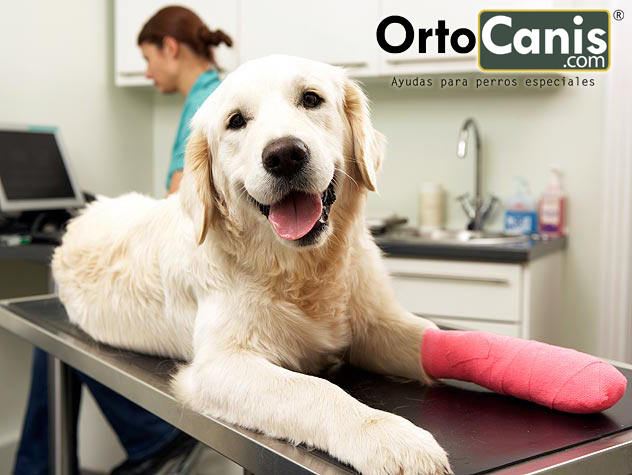
Using a cast is a popular method of healing an injury such as a fracture. This article explains important facts about using cast for dogs.

What Is Casting

 A cast is a type of hard bandage that wraps around limbs that have been fractured or injured in some form. Dogs are very active animals that run and jump around almost daily. So, they are at high risk of injuring themselves and fracturing their bones
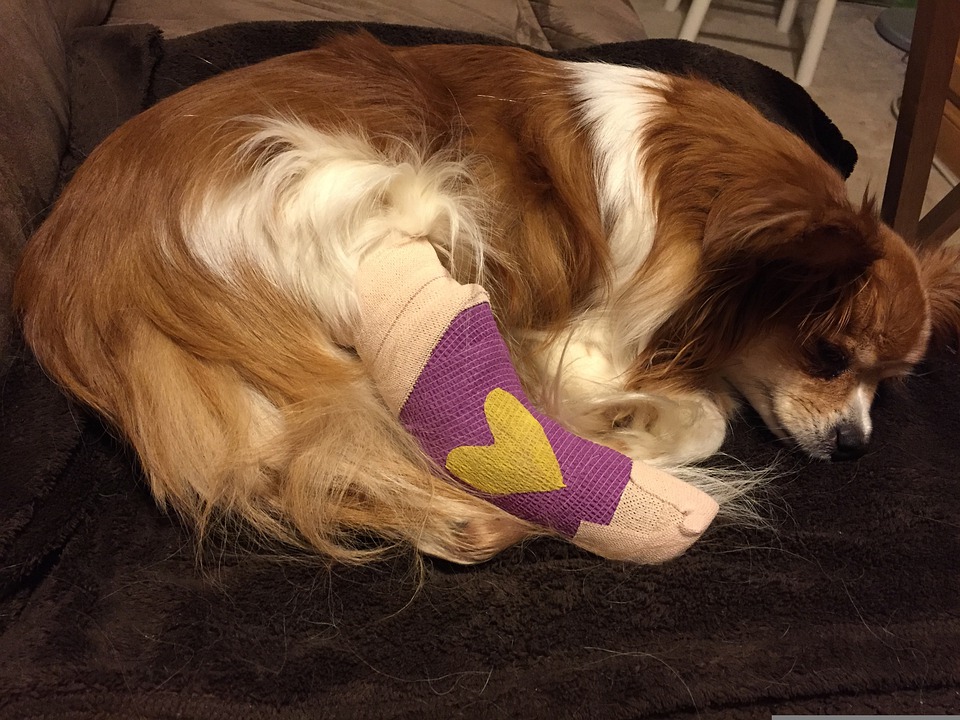
Accidents, falls, and trauma can lead to injuries that require a cast on a dog. Limbs are the most common area that gets fractured in dogs and require casting. 

Sometimes, a cast doesn’t prove to be sufficient for healing. In severe falls, and traumatic accidents, dogs could even break a leg. It could even lead to the requirement of surgery.

Important Facts About Using Cast For Dogs

Casts lie in close contact with the dog’s skin and are a method used to treat external immobilization. It consists of several layers of plaster and padding.

Materials used in a cast include fiberglass, polyurethane-impregnated cotton-polyester, or thermoplastics. 

Some fractures in dogs are generally visible right away. So you can take your dog to the vet for casting.

Other fractures are not as obvious and may be missed for a few days until you see your dog limping. 

A vet needs to examine the injury using an x-ray to determine if a casting is sufficient or if it requires surgery.

Depending on the severity of the break, your vet may require plates or pins to keep the bones in place. Once the plates are in place and immobilized, the bones will heal around the steel parts. Your vet may recommend a cast to keep the bones immobilized.

If your dog’s injury is more severe and requires surgery, the vet might use anesthesia to reset the bones.

Casting Procedure

Casting is done using an aseptic technique, which means the method is designed to prevent microorganism contamination. Therefore, your dog could even be anesthetized, and the affected area may be shaved before the procedure.

Here is the step-by-step procedure followed for casting on a foreleg fracture.

  1. Place the dog in a side-lying (lateral recumbency) position with the injured extremity facing down.
  2. Apply tape to the ventral and dorsal areas of the foot while a stirrup is created. At this point, the dog’s leg should be elevated to provide support while performing the casting procedure.
  3. Sometimes, the application of a stockinette bandage may be required.
  4. Apply several layers of padding to the elevated leg. The padding consists of layers that are wound tightly around the leg. 
  5. Roll out several layers of cast material around the leg, from distal to proximal limb aspects, overlapping itself on each encirclement.
  6. Place wet plaster atop the casting material to get the shape of the leg.
  7. Turn the visible padding at both ends downwards, and tape over the stirrup.
  8. The plaster will take several hours to dry, so the dog may have to stay overnight at the hospital.

Efficacy Of Casting In Dogs
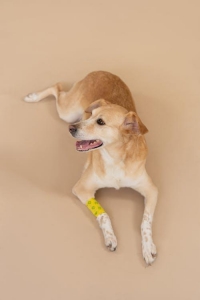
 

Casting done by a professional such as a vet will permanently fix the affected skeleton. Casting effectively treats most fractures in dogs, except for a few serious ones that require surgery.

An injury with a cast will heal 97% of the time without complications.

A vet will try his best to treat injuries by putting on a cast. However, if it’s unable to do so, a vet has no choice but to go for surgery. It’s usually the case when there are severe breaks in multiple locations.

A cast is put on the affected area for full immobilization. A dog needs adequate rest to recover with minimal effect and gain full mobility soon.

Casting Recovery In Dogs


Your dog might have to stay overnight at the hospital after the initial cast setting based on the vet’s recommendation. 

You must take good care of your dog when recovering at home. Your dog needs to rest and not put too much weight and pressure on the affected limbs.

The vet will provide drug therapy consisting of pain medications to give your dog while recovering at home. Antibiotics and anti-inflammatory drugs may also be prescribed in case of secondary damage like swelling or infection due to injury.

At-home care accounts for about 50% of the recovery. Depending on the location and severity of the injury, it could take anywhere between five to twelve weeks for a full recovery.

You may have to take your dog to check and change the outer bandages during recovery. Your vet will inspect the injury to see if it’s healing well.

Your vet needs to recheck your dog’s injury after recovery with additional x-rays to ensure that it has completely healed. 

Casting Cost


The casting cost depends on factors such as the injury’s type, severity, and location. It also varies based on whether there is emergency care or specialized surgical care.

A simple cast would cost under $400. However, if the injury involves surgery, it could cost several thousand dollars.

The national average of casting varies between $1000 and $5000. It depends on the specialization of the vet and follow-up care procedures.

Going to the vet may cost approximately $50 per visit. X-rays and tests will cost between $50 – $200 per visit. In addition, medication and other follow-up care requirements will cost upto $100.

Casting Considerations


Once casting is done, your dog’s recovery depends on how well you take care of it. You need to give it the medication as advised by the vet.
The risk of using a cast is higher at home than at the vet. Because your dog will be spending more time recovering at home, your care is of utmost importance.

While at the vet, you need to consider his advice regarding alternatives to surgery, like using steel pins or plates. However, surgery may sometimes be unavoidable, so you’ll have to go with what your vet recommends.

There is also a method that does bone reset using a bandage cast. You can discuss all of these alternatives in detail with your vet.

Once the procedure is done, you must take good care of your dog at home. Improper care can pose a risk in the following ways.

  • Infection
  • Loss of circulation
  • Necrotic tissues
  • Delayed healing time

If everything is fine, your dog should heal well within several weeks with minimal aches and pains in the affected area.

How To Take Care Of A Dog In A Cast

Taking good care of your dog is essential during recovery. An essential fact to note is never to let a cast or bandage get wet. A cast could get wet from water bowls, wet grass, urine, and saliva.
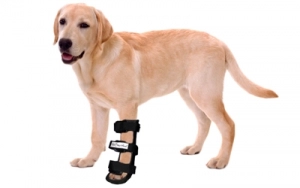
A wet cast could cause problems when bacteria begin to multiply on it. You can cover it with a plastic bag to prevent it from getting wet when your dog goes out. However, don’t keep it for longer than 30 minutes.

If the plaster gets wet, you can dry it using a hair dryer. Be sure not to overheat the skins beneath the cast. If it’s too wet, you must return and get a new dressing done.

Always touch and feel the toes daily to check for warmth and dryness. Do this when your dog is occupied with something.

Your dog should respond when you squeeze its toes. If your dog is unresponsive, it’s a cause for concern, and you need to take it to the vet.

Place a sock over the cast to prevent your dog from licking the area. Your dog will not lick the cast when there is a sock on it. Ensure it’s a cover that allows the dressing to ‘breathe.’ Avoid using plastic or waterproof materials.

Watch for any irritations on top of the dressing. Sometimes sticky plasters and the dressing rubbing could cause allergic reactions, which you must address with the vet.

Ensure to take your pet for dressing changes as required.

Casting Prevention In Dogs


Preventing injuries requires you to watch your dog at all possible times. Dogs can jump or fall and get injured both indoors and outdoors. So it’s important to be on alert at all times.

Make a note of areas with stairs, as there is a high risk of your dog falling up. Fence your yard to ensure your dog doesn’t run onto the road without your knowledge. Road accidents are also a common reason for an injury that requires putting on a cast.

Stay alert when you take your dog outdoors for a walk or on an adventure like hiking, especially if it’s a stubborn one. Make sure you use a training collar for stubborn dogs to control your dog and prevent them from doing something that would cause an injury.

Conclusion


Keep these important facts on casting for dogs to ensure a speedy and complete recovery. Prevention is better than cure, so always keep an eye on your dog to prevent injuries that require using a cast for healing.

Finally, take good care of your dog while in recovery to ensure that it has minimal pain and that the affected area is fully-healed.

Frequently Asked Questions

How Long Should A Dog Wear A Cast?

A dog should wear a cast for five to twelve weeks, depending on the severity and nature of the fracture.

Can A Dog Walk With A Cast?

Walking is fine as long as your dog doesn’t run or walk very fast. Ensure to keep the casting clean at all times, especially when it goes outdoors.

Can A Dog Fully Recover From A Broken Leg?

Yes. A dog can take up to twelve weeks to fully recover from a broken leg.
Dog braces


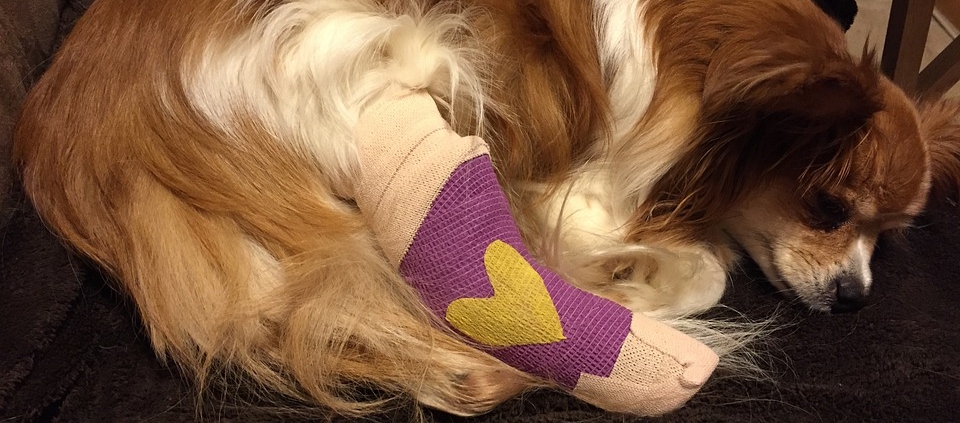
If your dog is recovering from an illness that requires a bandage, splint or sling, proper care is essential for his recovery. Complications are much more likely to occur in dogs that do not receive proper care and supervision.

Cuidar el vendaje de un perro

Splints , slings, and bandages can cause serious problems for your dog if:

  • they hurt you
  • slip with them
  • they twist
  • They stay for a long time
  • they get wet

Splints, slings, and bandages must be kept dry and clean at all times. If they get damp, wet or dirty, it is necessary to remedy this as soon as possible.

When the animal goes outdoors, a temporary waterproof coating may be applied to the bandage , sling, or splint to keep it dry. The cover should be used for short periods only (no more than 60 minutes at a time) and should be removed immediately upon returning home.

If the cover is left on for more than 60 minutes, moisture can accumulate inside the liner, causing the bandage to become soggy.

It is generally recommended that dogs remain indoors as much as possible while they are bandaged and rehabilitating. A wet bandage can quickly cause a skin infection. Change the bandage as soon as possible.

Check the toes and the tissue at the bottom of the bandage or splint at least once a day. If you notice any swelling the bandage may be too tight or shifted and needs to be checked out by a vet right away and probably replaced. In bandages or splints the swelling may appear as an extension apart from the toes. Compare with the other foot to detect differences.

If the bandage or splint appears to have slipped or twisted, smells bad, or has been damaged by chewing, your dog needs a new one.

You should monitor the skin near the edges of the bandage, sling, or splint for chafing, redness, or rashes. If any of these problems appear, take your dog to the vet as soon as possible.

Activity restriction is usually an important part of the healing process, as long as you have a bandage. Significantly restrict the dog’s activity unless your vet tells you otherwise. This includes keeping your dog on a leash on outings, if he is too active the bandage may lose its function.

Prevent slippery floors while leg, foot, back, hip, neck or shoulder bandages are in use.
It is in the animal’s best interest to avoid playing with other dogs or children during rehabilitation.
It is imperative to work closely with your vet during this period. Complications are much more likely to occur in pets that are not carefully watched.

Check bandages usually every 48 hours, from when they are placed. Check splints and slings every 1-2 days, depending on the needs of the patient.

IMPORTANT POINTS :

Use medications according to medical prescriptions.
Be sure to follow all activity restriction instructions from your veterinarian.
Watch carefully for any splint, sling, bandage, or post-surgical instructions (these can be the difference between a successful recovery and more problems).
Monitor your dog carefully and perform check-ups as directed by your veterinarian.


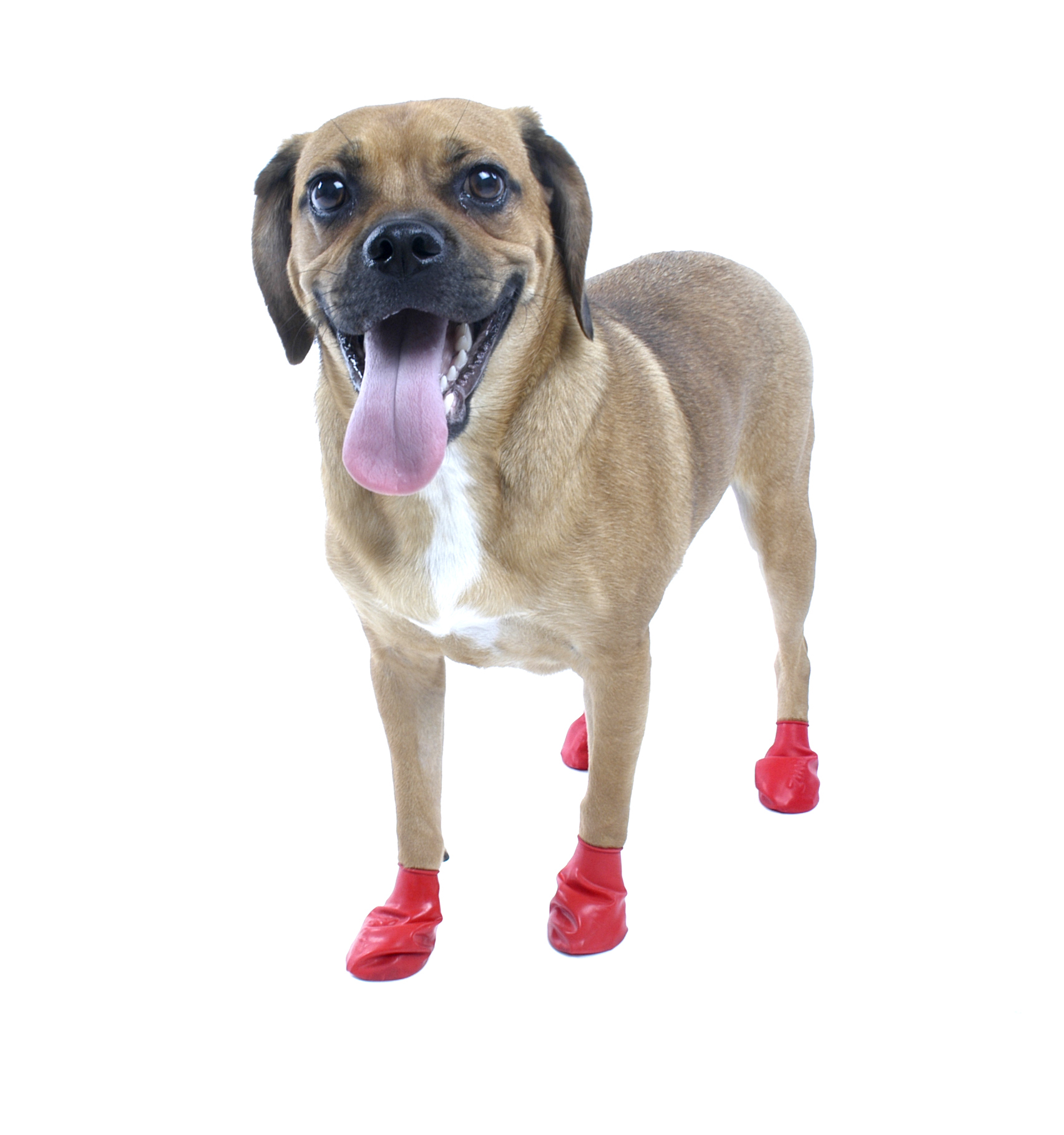
Dog boots are a great help both to prevent injuries and to help them heal.

Boots as prevention… in summer and winter

Spikes : in spring and summer. They usually stick between the fingers. Once they are stuck, due to their characteristic shape, they move inwards and can travel long distances and cause serious infections. In addition, stones, twigs, crystals,… all this can injure your dog’s paws in the field.


Heat : although we do not notice it because we are wearing shoes, in summer the ground can reach really high temperatures, especially if it is dark in color (for example, asphalt). On sunny days, we should protect our dog’s pads.


Snow – Snow can lead to dermatitis and cracking of the pads. In small dogs, even freezing of the final part of the legs. (Photo dog snow boots Ortocanis)


Boots as an aid to wound treatment


Boots are a very good alternative to some bandages for dog “foot” injuries. They allow them to be more comfortable and, most importantly: they are easy to remove and put on, so we can see the state of the injury at any time and let it “breathe” from time to time. (vet photo with dog)


Boots as an aid in orthopedic diseases


Boots become essential for dogs with movement problems, whether due to hip dysplasia, cruciate ligament rupture or simply advanced osteoarthritis. They allow the dog to have a better grip on the ground, greatly improve walking, and prevent injuries due to a “slip”. Especially important inside homes, where the floor is often slippery.


Do you want to see how a dog “manages” with his boots?


DOG IN BOOTS VIDEO


BANNER BOOTS DO WE HAVE?

joint pain They are common in dogs, especially older dogs and large breed dogs. Although any dog can suffer from joint problems due to causes such as excessive exercise or other ailments or disorders.

To help your dog you can use chondroprotectors and you will also find experts in canine orthopedics who can advise you on the use of orthopedic aids .

There are different types of joint protectors , depending on where the dog suffers the pain.

Do you know what chondroprotectors are?

Chondroprotectors are not drugs, but food supplements, and are made up of natural substances to prevent and treat joint problems. The composition of chondroprotectors is usually hyaluronic acid, glucosamine and chondroitin sulfate.

The function of the chondroprotector is to prevent the breakdown of cartilage. This breakdown is the first step in the development of degenerative joint disease, so they are most effective when used early in the disease.

They reduce inflammation and stiffness, relieving the pain felt by the dog. As a result, your mobility improves and your joints and cartilage recover.

In the market you can find many types. From Chondroprotectors with added natural anti-inflammatories or even feed with chondroprotectors included in its composition.

Do you know how to detect if your dog needs these aids?

First of all, comment that both joint protectors and chondroprotectors can be complementary aids that help reduce joint pain suffered by dogs. You can use them in case of joint problems, such as dysplasia, osteoarthritis, or arthritis; after joint surgery or trauma; or to strengthen joints in formation.

It is also important to recognize certain signs to find out if your dog needs these aids. If you notice that your dog is reluctant to move, limps, has trouble climbing stairs, moves strangely, is less active or complains if you touch him. The most obvious symptom that your dog has a joint problem is limp. However, other symptoms may also appear that indicate that you suffer from joint pain, such as:


  • Your dog lies down and gets up with difficulty.
  • He does not want to go up or down steps and has difficulty getting into the car.
  • He is slower on walks, does not run, does not play and does not want to walk much.
  • It walks strangely, with its back legs close together, or even crossing them.
  • It shows pain when you touch or brush it, even complaining.
  • He licks his paws and joints a lot.
  • It carries its head or tail lower than normal.
  • Their legs are stiff or swollen around the joints.

The best help for joint pain It will depend on your particular situation. We always recommend consulting with the veterinarian to find the one that best suits each case.

Luckily, more and more, we have new solutions to reduce joint pain in our dogs and thus improve their quality of life 🙂


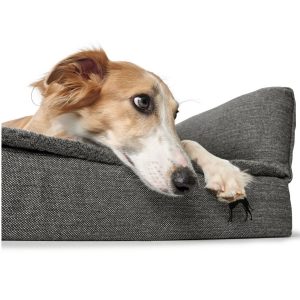
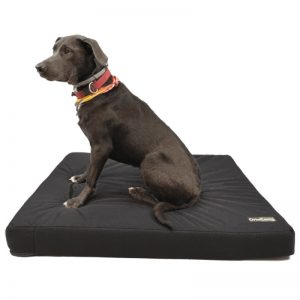
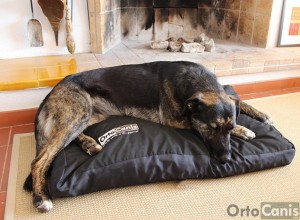
cama perro ortopedicaDogs, just like us, may need a specific mattress to improve their rest. Much more so if it is about older dogs with pain, mobility problems or that have just come out of a surgical operation . For these cases, orthopedic mattresses for dogs can be a great ally.

What are orthopedic mattresses?:

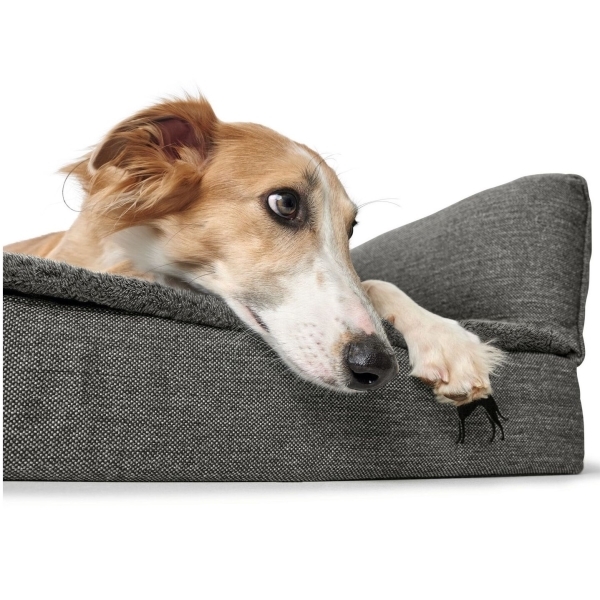
Orthopedic mattresses for dogs distribute the dog’s weight evenly and adapt to the shape of the animal’s body while lying down. Its function is to avoid pressure points in order to optimize the dog’s rest and joint performance.

Orthopedic mattresses made with memory foam allow the bed to adapt perfectly to the dog’s body, simulating its shape thanks to the memory effect, and then return to its initial state when the dog decides to control the perimeter.

In addition, some mattresses incorporate a waterproof cover, for urinary incontinence or excessive drooling, and with anti-bacterial treatments that increase hygiene and prevent unpleasant odours.

These mattresses are recommended for dogs with osteoarthritis, hip dysplasia or bursitis and if they fulfill their purpose, they will minimize the difficulty and pain when getting up.

colchón perrosCharacteristics of a visco-elastic mattress:

-Eliminates pressure points by distributing the dog’s weight correctly and evenly, thanks to the special design of the undulating visco-elastic surface.

-Reduces the formation of hygromas and bursitis.

-Improves the rest of dogs with osteoarthritis or joint problems thanks to the adaptability of the material to the shape of the body.

How do I know what mattress size is right for my dog?

There are dogs that like to sleep making the conch shell, others stretched out and some characters even on their backs. If we know the tastes of ours, it will help to decide the size. In any case, the ideal is to look for a mattress with a comfortable size for the dog, which allows it to stretch and accommodate itself in such a way that its limbs are not outside the mattress.

For this, it is recommended to take the measurement of the dog from the nose to the end of the tail and add approximately 20 cm.

Where is the best place to put the mattress?

Choose a quiet, warm and comfortable place in the house. You can notice where the dog spends most of the time to place it there. Remember to allow her to sniff it out first so she can become familiar with her new nest.

Find a place where the mattress is embedded, that is, it cannot be moved from its site. In older dogs it is possible that when they want to raise their limbs, they inadvertently push the mattress and it moves, making going to bed somewhat frustrating. See if the mattress includes an anti-slip system. This detail could be of great help.

Orthopedic mattresses improve the dog’s quality of life , especially if he has joint pain. After using it for a few days you will notice positive results in your behavior, including an improved mood.


ansiedad perro

After several months of quarantine at home, the return to the offices is restarted and with it comes the separation of our animals. This can lead to Separation anxiety in dogs . For this reason, it is useful to observe them the first days of the new routine, and follow some recommendations so that the dog feels calmer and copes better with anxiety.

Symptoms of anxiety in dogs due to separation:

Some of the behaviors that dogs with anxiety symptoms usually show are:

-Break objects.

-Stay close to their owners and follow them wherever they go.

-Urinate or defecate in places you don’t touch.

-More barking than usual.

-Stop eating.

-Panting above usual.

-Try to escape when they are alone.

Recommendations to improve dog anxiety:

Music:

Making a personalized music playlist can help your dog improve anxiety as well as block out fear-provoking noises.

Many dogs have been shown to prefer classical music and harp music. This can serve as a natural sedative:

  • Lisa Spector piano music
  • Harp music by Christina Tourin

Adequate space:

Having an entertaining environment with some ventilation will help the dog to better manage anxiety.

Relaxation:

Colchón Ortopédico  Having a bed or mattress can be helpful in teaching your dog to make an association with a moment of rest. A daily routine can be established where the dog learns to lie down on his mat after each exercise session, to take a nap or play with his own toys and then give him a treat.

To optimize rest and improve joint performance, you can also use thermal beds .

Gift when leaving:

So that the dog can associate the act of leaving as something positive, it may be interesting to reinforce the exit with a reward.

masaje calmanteMassages:

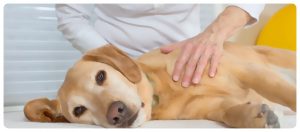
Anxiety often causes tension in the muscles, so massage can help relieve tension. You can keep one hand on the dog and with the other massage starting at the neck and work your way down in long strokes. You can also use heat massagers that, in addition to being relaxing, have a beneficial system on the vascular system. Or consult with rehabilitation centers.

Routine:

At the beginning of a change it is advisable to follow a predictable routine so that the dog can begin to sense when he can expect attention and when not. Scheduling a time to be with him and another to rest can give great results.

Exercise:

Exercising with the dog is always recommended, as it will help him to be calmer and strengthen his muscles to prevent possible pathologies.

Natural calming supplements:

In the first days of a big change, natural painkillers can help the dog alleviate the level of anxiety. You can consult your veterinarian to find out which supplements are the most appropriate.

What not to do:

If the dog has been anxious during your departure, and this has led to the house being destroyed or dirty, anything he does can increase the anxiety, making things worse for future outings. Therefore, both punishment and excited greetings should be avoided. At home, it’s best not to pay attention to the dog until it calms down (about 10-15 minutes). The dog should soon learn that the faster he settles, the sooner he will get your attention.


Spring ends, and with the arrival of summer temperatures rise. At many points we will exceed 35 degrees maximum before we know it.

Like humans, dogs also suffer from the effects of rising temperatures . Therefore, special care must be taken with them. The dog in summer requires special attention.

These simply consist of relieving it so that the heat makes the least possible dent in it. It will suffice to follow a few guidelines to achieve this, and that the animal is as comfortable as possible despite the heat.

The dog in summer: more hydration

The main care that the dog must have in summer is related to hydration. It is essential that you always have water nearby so that you can drink as much as you want, because you will need to drink more than in winter. Water is the best element so that you can keep your body temperature constant , and do not raise your temperature. You have to try, yes, that it is not too hot, so it should be removed from the sun. And change it from time to time.

In case you are with the dog outside the house, they should always carry water with them in summer . There are not always places that provide water for dogs, and if they do not hydrate frequently, they can have a hard time. Do not forget a suitable container so that the animal can drink comfortably.

The heat can also lead the dog to jump headfirst into swimming pools , run to bathe in the sea or go into the river to cool off . Other than getting wet and “showering” everything around you when you shake off, there are no major precautions to take in this regard. Of course, watch where you swim, just in case you don’t make foot and get tired, because you could sink. In that case it will be time to rescue him.

dog hair in summer

When temperatures rise, it is common to see dogs whose hair has been cut to keep them cooler on the streets. But this cannot be done with all breeds , so it is best to check with your vet before doing so. For example, it is advisable to do it in the case of small dogs with long hair.

But if the dog is larger and has hard hair, it should not be cut , as it can be detrimental to its health. The hair is responsible, among other things, for protecting your skin, and its absence can cause damage. What is advisable is to take care that it is well dewormed to avoid additional discomfort to that of the heat.

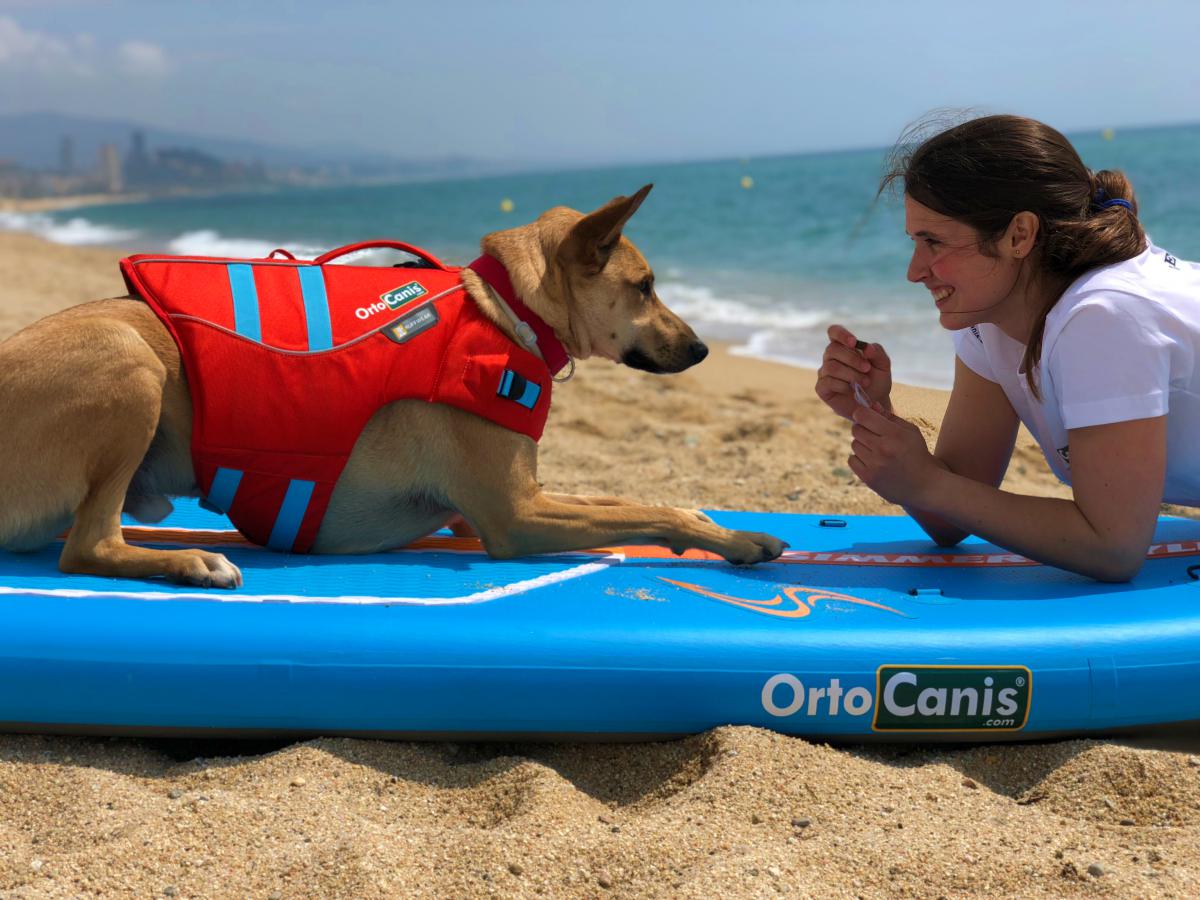
To alleviate the heat, you can use a water spray , which will be poured on your hair. And if there is a fan, he can be allowed to stand nearby so that the air can soothe him. Of course, in the case of air conditioning, care must be taken that it is not placed right where the air jet hits it. Just like humans, dogs can catch colds, and the draft of refrigerated air can make them cold. If it’s really hot, a cooling vest, like this one, can help.

As for their diet, it should not be changed. And the walks must be carried out , as far as possible, in the hours of the day when it is less hot . It is best to walk early in the morning and in the late afternoon.