Canine orthopedic surgery is an increasingly common procedure in dogs with joint problems or trauma, such as anterior cruciate ligament rupture, fractures or patella dislocations. However, the success of the procedure does not end in the operating room: it really begins with postoperative care.

In this guide we explain how to ensure a safe, comfortable and effective postoperative recovery.


1. Rest and proper control of movement

The first few hours after surgery are critical, and there is a chance of complications. That’s why it’s important to limit their physical activity and ensure that your dog rests in one place quiet, warm and without noise, where he cannot hurt himself.

During this time:

  • Follow your vet’s guidelines to the letter , and never give your vet medication without consulting your vet first.
  • You notice signs of pain such as panting, restlessness, or excessive licking of the wound.
  • Prevent him from moving uncontrollably or climbing stairs.

As pointed out in Argos Veterinary Club, the recovery time depends on the type of surgery and the dog’s state of health. But, in general, Orthopedic surgeries can require anywhere from 4 to 12 weeks for a full recovery.

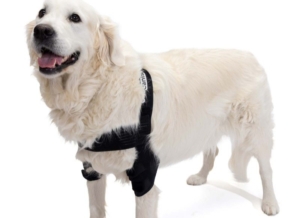
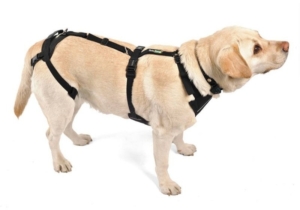
Dog harnesses are a very successful technical aid for this phase, as they allow the dog to be held and stabilized, preventing it from making an effort while it regains strength in its limbs.

2. Surgical wound care

In addition to certain medication, your vet will recommend how to care for the wound. Above all, how you have to clean it to avoid infections. Keeping the wound clean is essential in any Canine Orthopedic Surgery. Check your incision daily for signs of infection such as redness, drainage, or swelling.

Some basic tips that you should keep in mind are:

  • Clean the area with gauze and the recommended antiseptic two to three times a day.
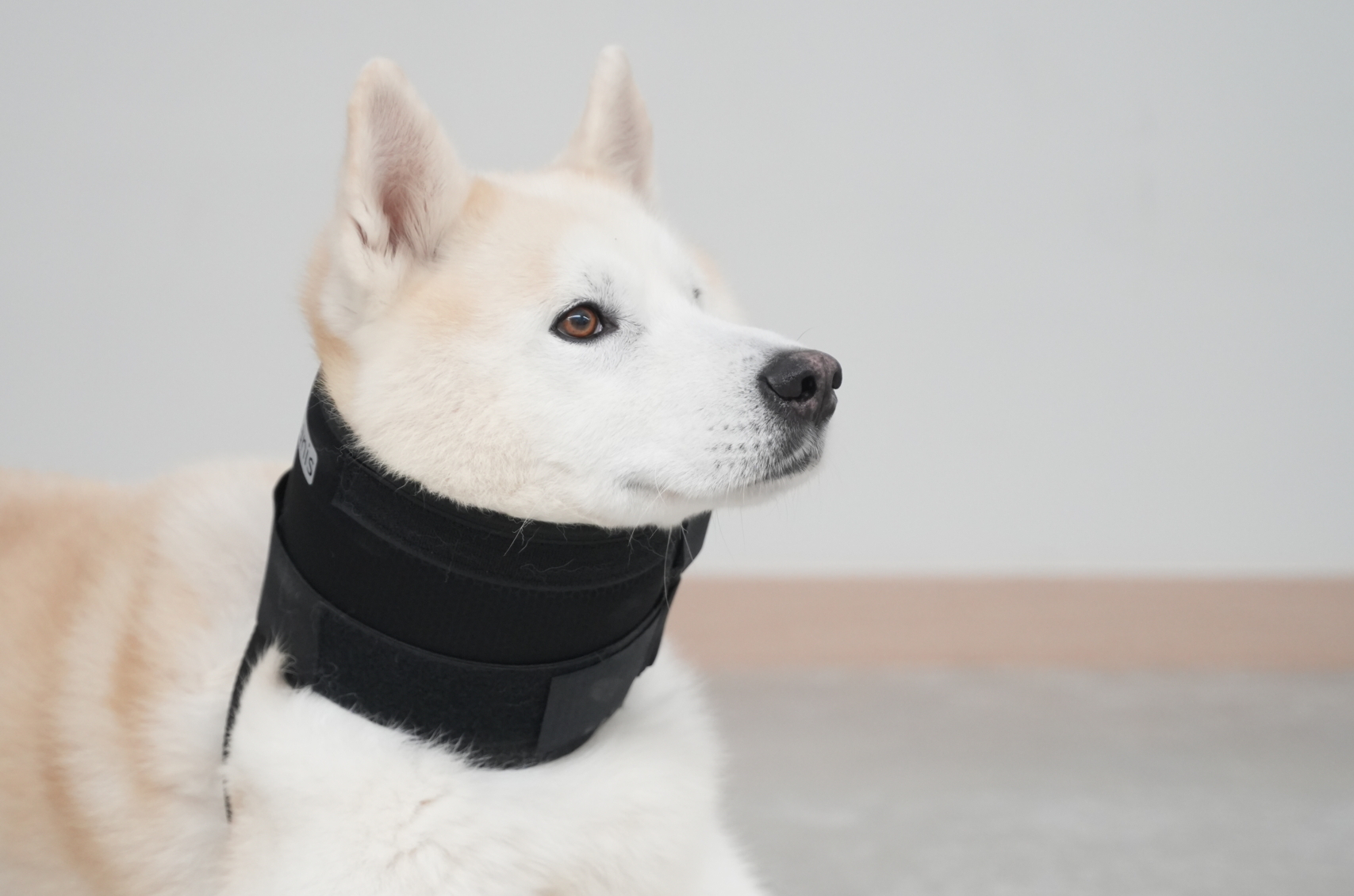
  • Use an immobilizer collar to prevent licking.
  • Do not remove stitches or bandage without veterinary indication.

If you notice anything out of the ordinary, contact your vet immediately.

3. Rehabilitation: key to walking again without pain

After the initial rest, an essential phase arrives: rehabilitation . This stage, supervised and guided by a veterinarian or physiotherapist, seeks to recover the animal’s mobility, strength and coordination.

Common techniques include:

  • Therapeutic exercises through the use of ramps, cones, balls and others.
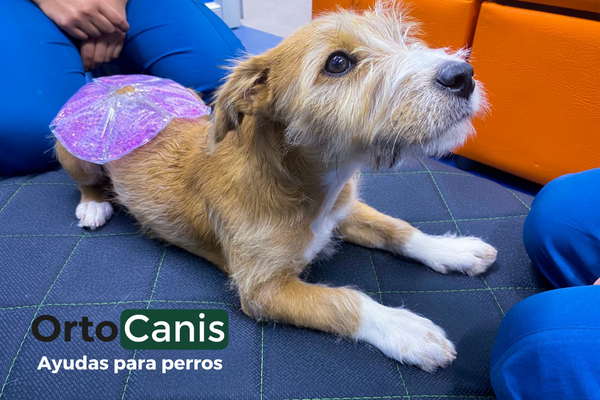
  • Cryotherapy, a technique that reduces pain and inflammation by applying cold.
  • Hydrotherapy, which allows you to exercise without impact.

In any case, as we explained in our article on the role of physiotherapy in the recovery from the rupture of the anterior cruciate ligaments, physiotherapy will vary depending on the patient and the type of surgical intervention, since some techniques will require greater stabilization.

4. Canine Orthotics
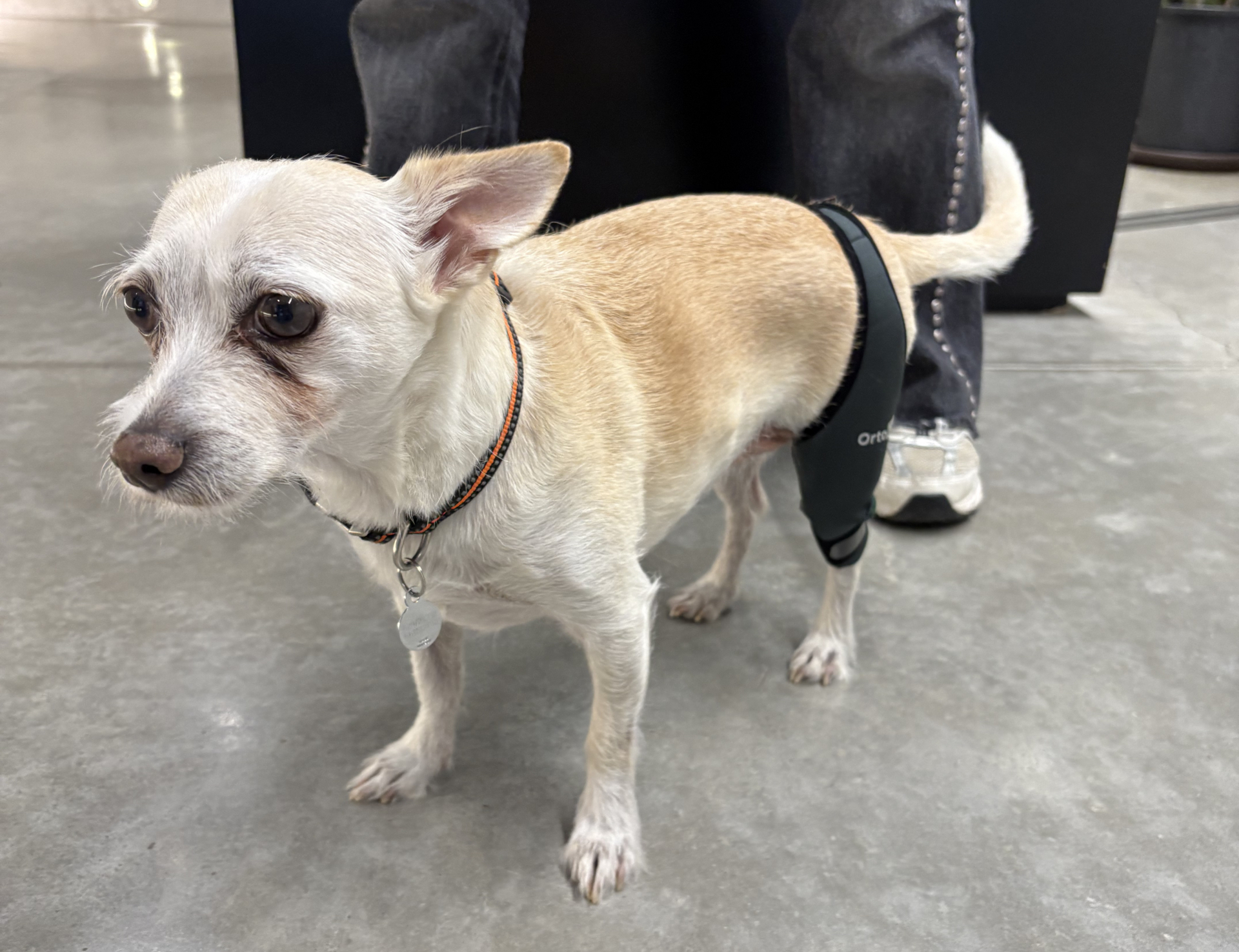
Limb operations are some of the most annoying for dogs, and they mostly take quite some time to heal.

In these cases, the dog may need some extra help to avoid hurting itself and to be able to be more firm in the use of the affected paw.

This is where canine orthopedic supports come in, which play a critical role in the recovery. These technical aids provide stability, relieve pain and allow mobility to be resumed in a controlled way.

These include:

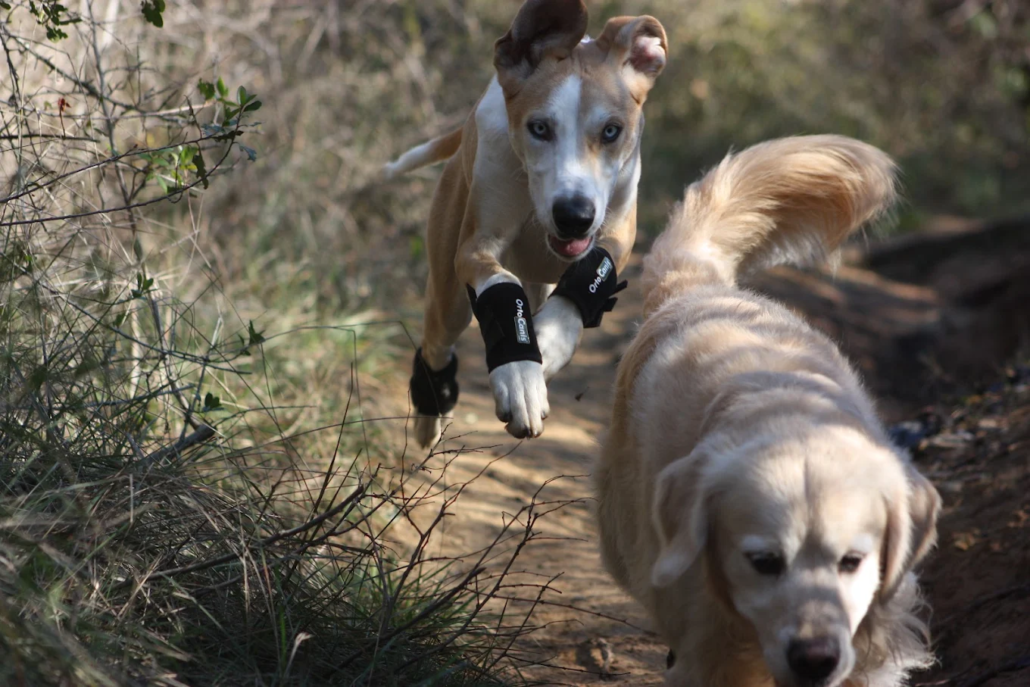
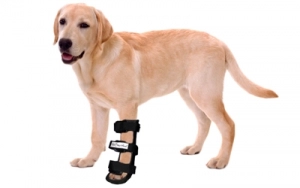
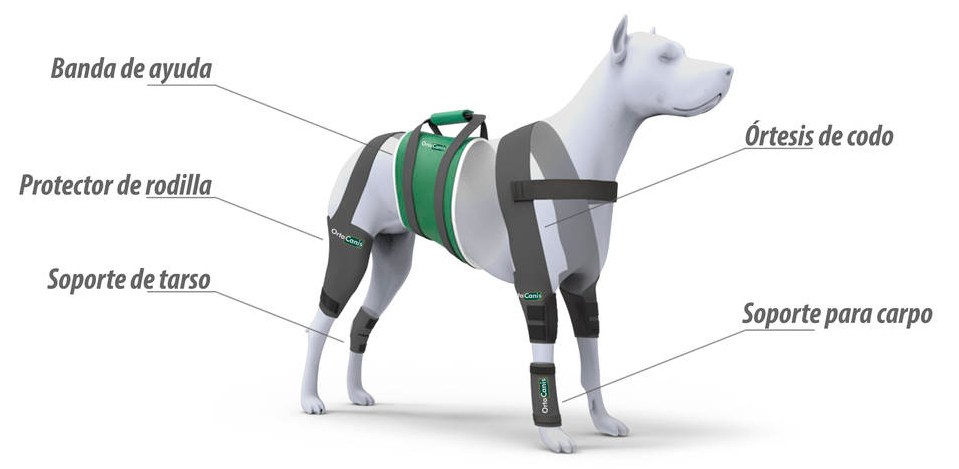
  • Protectors or supports, which can be knee, carpus, tarsus or hip, among others.
  • Splints, recommended in cases of bone fractures.
  • Harnesses, which help lift the dog effortlessly and painlessly.

Ortocanis products are designed and manufactured with materials that guarantee comfort and support adapted to each stage of recovery.

5. Recovery at home

The home environment can make all the difference in a dog’s post-surgical recovery. Here are some simple guidelines we recommend to improve the comfort and safety of the animal:

  • Prepare a comfortable, clean and ventilated area.
  • Places non-slip surfaces and removes obstacles.
  • Have your child drink plenty of fluids. Especially in the hours after the operation so that the anesthesia is expelled.

The caregiver’s patience and affection are just as important as physical treatments. A dog that feels safe and accompanied moves forward with greater confidence.

You can find more information in our article on how to help in the recovery of recently operated dogs.

6. Relapse prevention

Once the veterinarian authorizes discharge, the goal is to prevent relapses. Preventive physiotherapy and moderate exercise are key to maintaining joint strength and stability.

Final tips:

  • Control weight and eating.
  • Perform gentle and controlled exercises prescribed by a professional.
  • Use braces if the vet deems it necessary.
  • Attend regular check-ups to assess the progress of recovery and make possible adjustments to treatment.

With a good combination of physiotherapy, home care and technical support, recovery after orthopaedic surgery can be complete and long-lasting.

Postoperative care in dogs they require commitment, perseverance and the right tools. Controlling pain, protecting the wound, encouraging progressive rehabilitation, and employing Quality canine orthotics will make all the difference in your dog’s recovery.

Visit Ortocanis.com to learn more information and quality solutions in canine rehabilitation and mobility.


Toni Fernandez

Director of Ortocanis

Hydrotherapy for dogs has established itself as one of the most effective techniques within canine physiotherapy.

Based on the therapeutic use of water, this discipline improves mobility, relieves pain and accelerates rehabilitation in dogs with musculoskeletal injuries, osteoarthritis or mobility problems.

At Ortocanis, pioneers in canine orthopaedics, we are committed to this therapy as a key tool for animal welfare.

What is canine hydrotherapy?

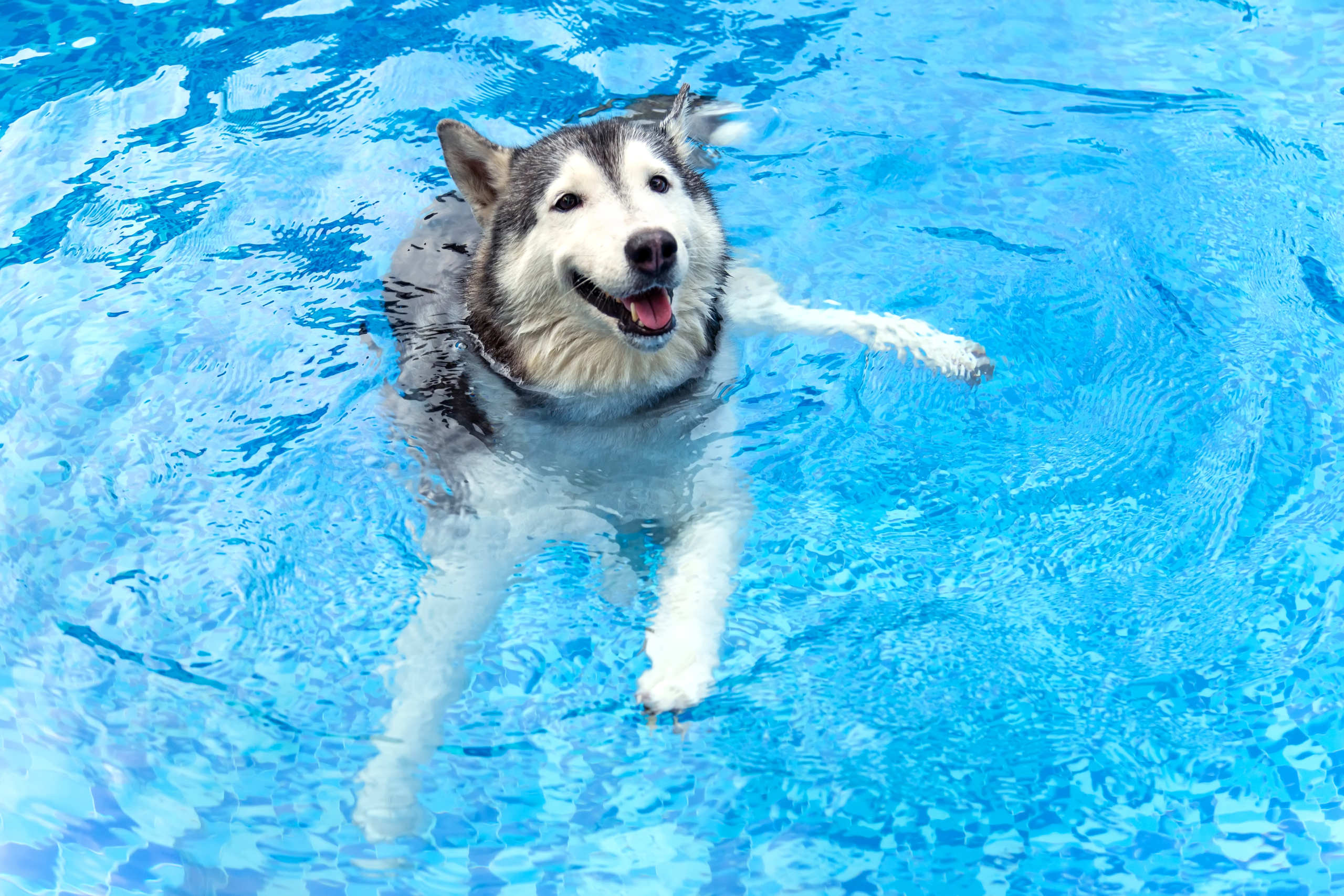
Hydrotherapy consists of performing aquatic exercises in swimming pools or underwater belts. Thanks to the buoyancy of the water, the dog’s body weight is significantly reduced, which minimizes the impact on the joints and facilitates movement.

According to AniCura, in addition to promoting muscle recovery and strengthening after injuries or orthopedic surgeries, swimming or hydrotherapy can also be of great help to safeguard the mental health of those active dogs that have been injured and cannot move as before.

Key Benefits

These are some of the main benefits offered by swimming and hydrotherapy in dogs:

  • Pain and inflammation relief: the pressure and temperature of the water act as a natural massage.
  • Improved joint mobility: facilitates movement without load or pain.
  • Muscle strengthening: Water offers controlled resistance, ideal for older or weak dogs.
  • Psychological well-being: the aquatic environment reduces stress and improves mood, especially in dogs with a fear of movement.
  • Improves cardio-respiratory endurance and exercise tolerance: allows progressive workouts that strengthen the heart and lungs, increasing the capacity for effort without fatigue or pain.

When is it recommended?

Hydrotherapy is indicated in cases of osteoarthritis, neurological problems, muscle pain or excess weight. Its low impact makes it one of the safest and most effective therapies for joint recovery in dogs and carries great benefits, especially for senior dogs, the main beneficiaries of this type of rehabilitation.

In short, hydrotherapy is beneficial for dog care as long as it is accompanied by a healthy diet and exercise. But it is not suitable for all types of cases and circumstances. For example, in serious kidney, liver, heart, respiratory, skin or cancer conditions, it is not recommended to perform this therapy and it is advisable to perform this therapy It is advisable to consult with a veterinarian.

It is also contraindicated before 10 days have passed since surgery and in animals that have drains, as we explained in our post on rehabilitation techniques that you can apply yourself.

How to do hydrotherapy at home

Although there are more and more specialized centers that have underwater treadmills, we can also do some exercises on beaches, swimming pools or even bathtubs in the case of small animals.

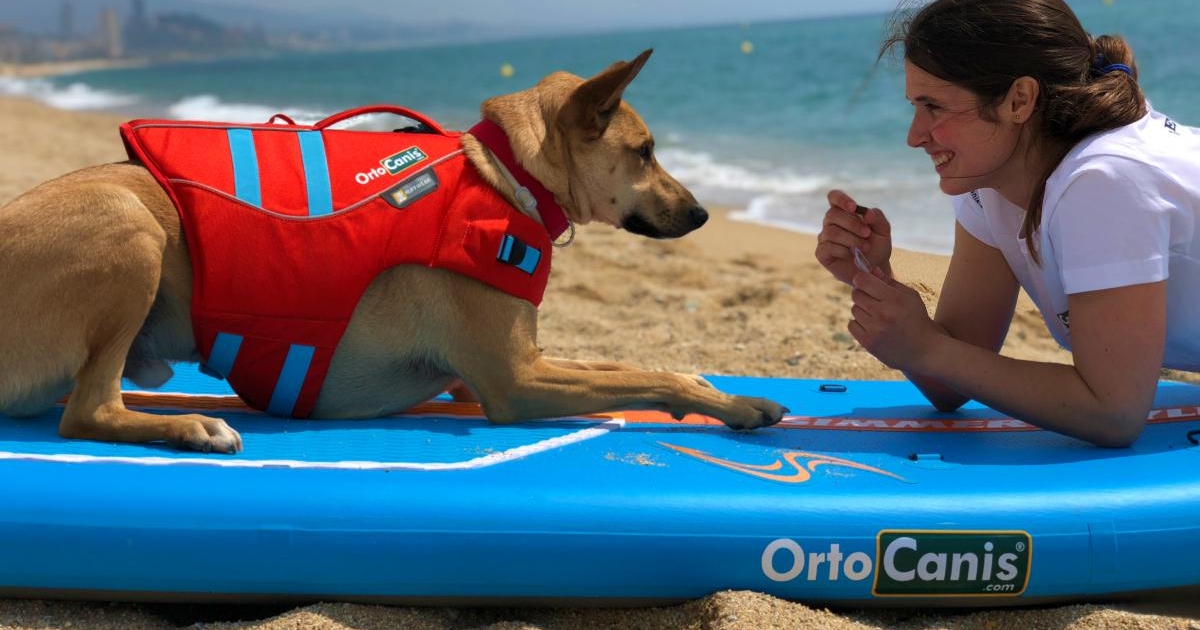
In this case, we remind you that it is essential that the animal wears a life jacket to help it float. In addition, if hot water is used, the list of benefits is added to the improved circulation, cleansing the skin and preventing muscle spasms.

Its effectiveness is multiplied if combined with massage, stretching or orthopedic devices. In our post on Canine rehabilitation: techniques and benefits We detail how to integrate different therapies in your dog’s rehabilitation phase to enhance their mobility and reduce pain.

Is your dog afraid of water?

Although this therapy can offer great benefits, some dogs may experience anxiety when in contact with water. Therefore, they must adapt gradually before starting the sessions.

A good way to start is to use a small paddling pool. The shallow water will allow you to get your paws wet without feeling overwhelmed. It’s also important to maintain a calm attitude and use rewards like treats or toys to reinforce their good behavior.

The key is to move forward slowly, allowing your dog to approach the water voluntarily and at his own pace. If you notice that the anxiety is intense or persistent, seek support from a specialized professional to help your dog overcome their fear safely.


Water offers dogs a safe way to move, strengthen, and heal. The Hydrotherapy for dogs not only recovers their body, it also improves their mood and quality of life.

At Ortocanis you will find products and specialized information to accompany your dog in its recovery process.


Toni Fernandez

Director of Ortocanis
Mobility is one of the fundamental pillars of the quality of life of dogs. An active, agile dog with good joint health enjoys more his walks, games and daily routines. However, as in humans, the passage of time, being overweight, injuries or certain pathologies can compromise canine agility. Therefore, applying preventive care strategies is key to ensuring that they maintain optimal mobility at any stage of their life.

In this article, we offer practical recommendations that range from adapted exercise to the use of orthopedic aids. All with the aim of keeping your dog agile, happy and pain-free.

1. The importance of canine mobility

Mobility not only influences the physical capacity of the dog, it also has an impact on its emotional well-being. A dog that can’t move comfortably tends to show signs of frustration, apathy, or even depression. In addition, a lack of physical activity can trigger secondary problems such as being overweight, losing muscle mass or joint stiffness.

According to Banfield Pet Hospital, implementing home care to create a safe space helps prevent additional injuries and improves the response to joint treatments.

2. Physical activity adapted to each stage

Exercise is an essential tool to maintain agility, but it must be adapted to the age, physical condition and possible pathologies of each dog.

  • Puppies: they need frequent, but moderate, games and walks to develop muscles and joints without overloading them.
  • Young adults: they are the ideal stage to promote endurance and muscle strength through long walks, fetch games or activities such as agility.
  • Older dogs: they require gentle routines, shorter but frequent walks and specific exercises that promote mobility without generating pain.

On our website you can find a practical guide with exercises to regain strength in the hind legs, perfect for those dogs that need to strengthen their muscles after an injury or due to the natural wear and tear of age.

3. Weight control: an ally against osteoarthritis

Being overweight is one of the risk factors for developing osteoarthritis and mobility problems. Every extra kilo means an additional overload on joints, tendons and muscles.

To maintain a healthy weight, we recommend:

  • Adjust the diet to the dog’s activity level.
  • Avoid excessive treats or replace them with low-calorie snacks.
  • Perform periodic veterinary check-ups to adjust the diet according to the stage of life.

Keeping body weight at bay not only prevents joint problems, it also improves the dog’s endurance, agility and daily energy.

4. Joint care and injury prevention

The joints are the axis of canine mobility. Over the years, natural wear and tear can lead to stiffness, pain, and problems such as dysplasia or osteoarthritis.

Some strategies to take care of your joints are:

  • Nutritional supplements: the use of chondroprotectors (made from Chondroitin Sulfate and Glucosamine) helps cartilage health and prevents and slows down osteoarthritis.
  • External protection: joint protectors for dogs are a practical solution to provide stability and support in cases of osteoarthritis or recovery from injuries.
  • Regular veterinary check-up: detecting the first signs of pain or lameness in time allows more effective treatments to be applied.

5. Orthopedic aids: support for an active life

When mobility problems appear, there are solutions that allow the dog to maintain a good quality of life. Canine orthopaedics is a fundamental resource both in preventive phases and in recovery treatments.

Among the most commonly used orthopedic aids we find:

  • Support harness: Facilitates mobility in dogs with weakness in their hind legs. It is our best-selling harness for dogs with reduced mobility.
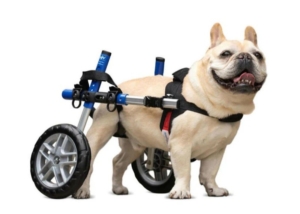
  • Wheelchairs for dogs: they restore mobility and autonomy when the dog needs extra help in its hind legs.
  • Orthotics: they provide physical support, helping the correct positioning of the muscle and increase the working temperature of the joints, thus improving their performance.

In our blog, we give you more information on how to help dogs with mobility problems, where we explain, among other things, tips and home care solutions to improve the daily life of these animals.

6. Personalized evaluation: our test

Every dog is unique, and so are their mobility needs. To facilitate early detection of problems and guide caregivers on the most appropriate solutions, We provide you with a very useful resource: a simple test to find out if your dog shows signs of any mobility problem.

This questionnaire allows you to know the probability that your dog will suffer from joint problems. It’s a tool designed to help you recognize osteoarthritis pain and thus keep your dog happy and active, but it does not replace in any case the diagnosis of a professional.

Always consult your veterinarian with any medical concerns.

7. Prevention routines for each day

In short, keeping a dog agile does not require drastic changes, but perseverance in small routines:

  • Hikes tailored to your energy.
  • Games that stimulate body and mind.
  • Weight control and balanced diet.
  • Regular veterinary check-ups.
  • Use of protectors or orthopedic aids when necessary.

The combination of these actions will help your dog achieve a healthy lifestyle that translates into years of full mobility.


Preventative care is the key to keeping dogs agile and happy at all stages of their lives. From adaptive physical activity and weight management, to the use of orthopedic aids, every action counts to achieve an active, pain-free life.

At Ortocanis you will find specialized products and information and resources that will help you make the best decisions for your dog’s well-being.

Toni Fernández

Director of Ortocanis
Over the years, our dogs age, and with old age come physical and mental changes that we must attend to with special care. Canine old age can be a very enriching stage if we know how to accompany them properly. Since Ortocanis, we offer you the keys to improve your health, well-being and mobility in this guide.

When does canine old age begin?

In general, dogs are considered older between 7 and 10 years old, although this varies by size and breed, as large breeds age faster than small breeds. From this stage, joint diseases, muscle loss, sensory problems and cognitive impairment can appear.

Common Changes in Older Dogs

Osteoarthritis and joint pain

Osteoarthritis It is a degenerative disease that causes cartilage to wear away, causing pain, stiffness and difficulty moving. Is One of the most common problems in older dogs and can affect their quality of life if not treated properly.

Biomechanical studies show that aging reduces joint mobility and muscle strength, aggravating difficulty walking, as indicated by the study “Journal of Comparative Pathology”.

Muscle loss

Sarcopenia Limits Mobility and Can Increase Risk of Falls. Inactivity accelerates this process of this progressive disease, so it is essential to keep the dog moving with adapted exercises.

Vision and hearing problems

Many older dogs lose hearing or develop eye opacities. Although they tend to adapt well, it is necessary to take precautions to avoid accidents and maintain effective communication with them.

Cognitive impairment

Cognitive dysfunction syndrome is similar to Alzheimer’s in humans. It manifests itself with disorientation, behavioral changes, sleep disturbances, or loss of habits.

Keys to improving your well-being

1. Adapted nutrition

The diet must adjust to its new stage. It is recommended:

  • High-quality proteins to preserve muscles.
  • Omega-3 to reduce joint inflammation.
  • Glucosamine and chondroitin to protect joints.
  • Antioxidants to slow down cellular aging.

2. Gentle and consistent exercise

Keeping the dog active is essential for their physical and mental health. Short walks, swimming, or gentle exercises help maintain mobility without causing injury. Avoid overexertion or slippery surfaces.

3. Frequent veterinary check-up

From the age of 7, visits to the veterinarian should be at least biannual. Check-ups allow chronic diseases to be detected in time and to adapt care to the new needs of the dog.

4. Cognitive stimulation

Interactive toys, new routines, olfactory games and positive reinforcement help keep the mind active. Companionship and affection are also critical, as many older dogs become more emotionally sensitive.

Technical aids for mobility

When the dog begins to have problems walking, getting up or climbing stairs, technical aids are an excellent way to improve its autonomy.


Wheelchairs for dogs

Ideal for dogs with weak hind legs, paralysis or neuromuscular diseases. The Wheelchairs allow the dog to move around without pain, improve circulation and prevent muscle deterioration.


Orthoses and joint protectors

Orthotics They help stabilize joints with osteoarthritis, dysplasia or chronic injuries. They also reduce pain and protect the joint during movement. At Ortocanis, We have models for elbow, hip, knee, carpus and tarsus.


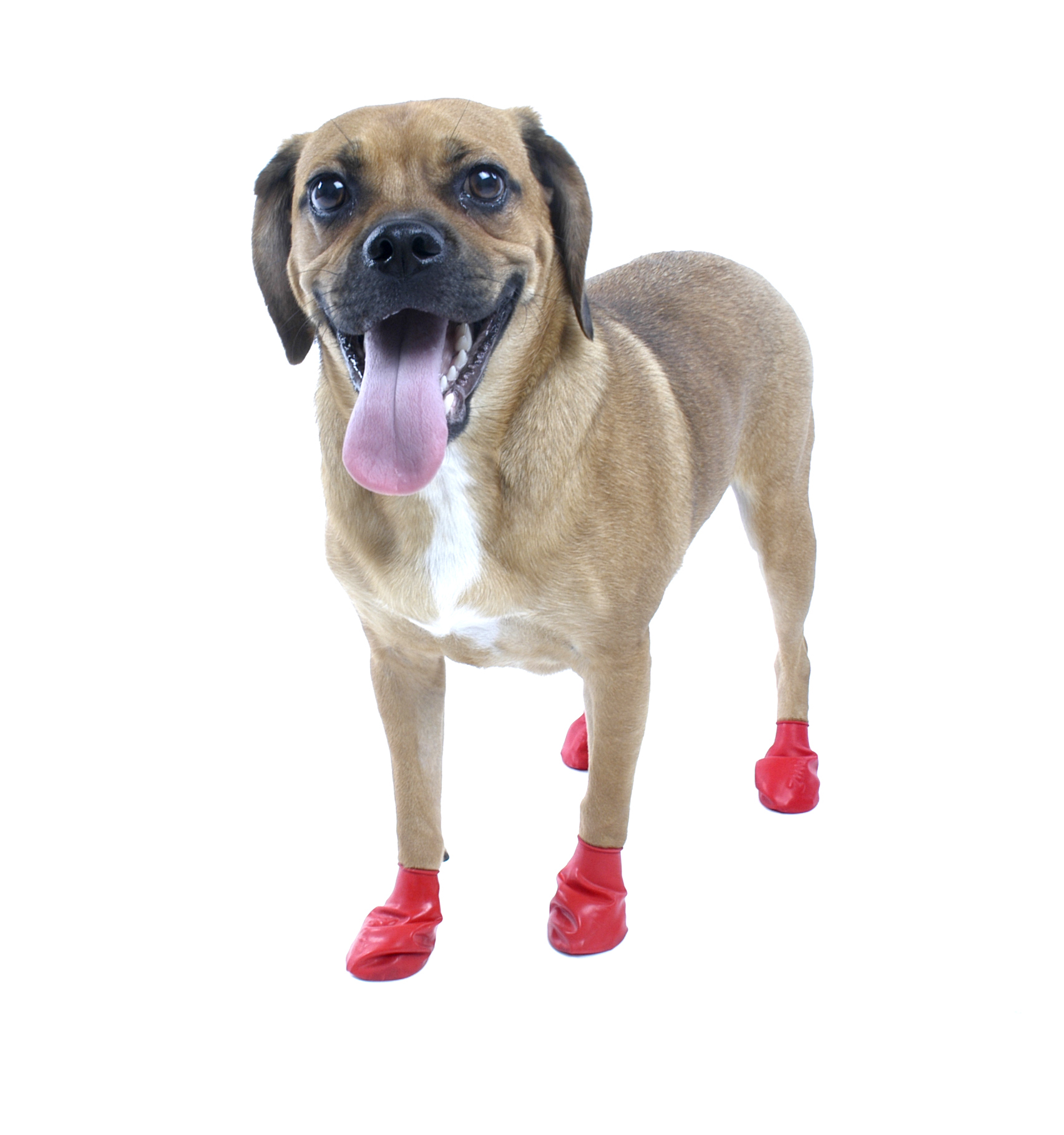
Orthopedic and non-slip boots

The boots They prevent slipping on smooth surfaces, improve traction and protect the pads. They are useful both indoors and outdoors For dogs with weakness or dragging legs.


Assistance harnesses

Harnesses They allow dogs with reduced mobility to be lifted or helped to walk without causing them harm. They are especially useful in dogs with muscle weakness or recovering after surgery.


Take care of your environment and routines

In addition to physical care, it is important to adapt the environment for greater comfort:

  • Use ramps to avoid stairs.
  • Place non-slip mats.
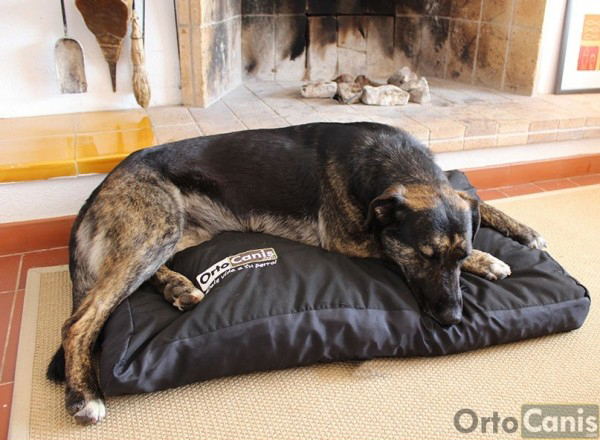
  • Make sure your bed is orthopedic, accessible, and warm.
  • Maintain regular routines to reduce stress.

Sudden changes or lack of foresight can generate anxiety or worsen certain pathologies.

Accompanying older dogs

With the right equipment, veterinary care, and lots of love, older dogs can enjoy a full life. We should not see the loss of mobility as the end, but as a new challenge to which we can adapt with the technology and knowledge available.

We have been developing orthopaedic solutions for dogs with osteoarthritis, dysplasia, injuries and other pathologies for more than a decade. Therefore, we know from experience that timely intervention can significantly prolong and improve the quality of life of these family members.


Toni Fernandez

Director of Ortocanis
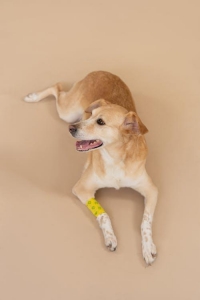
 

Dogs can have health problems related to their limbs. But they can also have back problems . These problems can be both muscular and bone . And it can be due to various factors. For example, to an illness, whether punctual or chronic. Or to a blow.

They can also be due to the wear and tear of bones and muscles due to age . Indeed, elderly dogs can suffer from degenerative diseases, such as osteoarthritis . Also have more aches and pains than a young dog. This affects your well-being, but also your mobility. And as a consequence, in its general condition.

Support for dogs with back problems

A dog with pain not only moves worse. He is also in a worse mood and sadder. In these cases it is best to consult the veterinarian. Both to find out what is wrong and to recommend the most appropriate treatment. On many occasions it will basically consist of supplying anti-inflammatories and painkillers. Other times a surgical intervention will be necessary. For example, if there is a complicated herniated disc .

In addition to these types of treatments, the well-being of dogs can be helped with protectors and orthopedic supports . For example, a thoraco-lumbar thermal support . With them, in addition to having the back protected, they will receive heat in the affected area. In this way, your injuries will improve.

This support is indicated for dogs of a certain age that suffer from osteoarthritis in the spine. Also for those with instability in the lumbar and thoracic area , or cauda syndrome . Apart from this, it is indicated for conservative treatment in herniated discs . And also for the periods after the operations of this ailment.

In general, it is recommended for dogs that suffer from any type of spine ailment. And for those who have mobility problems in the hind legs .

Colchón Ortopédico para perros

Orthopedic beds and thermal coats

Dogs with back problems should rest well to avoid further pain. Generally, a conventional dog bed will not provide them with the support and support that they need. Therefore, if a dog has spinal injuries or mobility problems it is advisable that they use an orthopedic bed . This is especially advisable if the dog is already old , or if it has osteoarthritis problems.

These types of beds are made in a special way to improve the rest of elderly dogs . Thus, if they rest better, their body will be more rested, and their injuries will soften a little . The same will happen if the dog has osteoarthritis. These beds are manufactured with specific materials and finishes to improve the performance of the animal’s joints.

They are usually made up of a special viscoelastic or foam material , covered with soft fabric with a pleasant touch, so that the dog is comfortable on them. Apart from this, they are usually thicker and firmer than conventional dog beds.

In addition to beds, these dogs also need to be bundled up in winter . Low temperatures can affect your joints and your back . Therefore, it is advisable to put a protective thermal coat on them. This way they will stay warmer and your back will not suffer the consequences of the cold.


termoterapia perros

Thermotherapy for dogs is a technique based on the application of surface heat on the injured area for therapeutic purposes.

Types of thermotherapy according to your scope

  • Surface use of seed bags, microwave gel bags, warm wet towels and infrared lamps. In this way what we get is that the heat is absorbed in a cutaneous way and can reach deeper tissues through conduction.
  • Deep methods, such as ultrasound, shortwave and microwave; These produce biological effects by directly heating the tissues in depth.

Thermotherapy dogs

Main effects of thermotherapy for dogs

  • Repairing, the increase in temperature causes vasodilation and increased blood flow. This produces an increase in oxygen and nutrients to the injured tissue, favoring healing and tissue repair. That is why we should never apply this technique in active hemorrhages.
  • Sedative, heat favors the extension of muscles and tendons while reducing muscle spasm; thus achieving greater extensibility of connective tissue and less joint stiffness.
  • Anti-inflammatory, hyperemia favors vasodilation, increased blood circulation, the supply of oxygen and nutrients and the elimination of metabolites and waste products.
  • Analgesic, stimulation of nerve endings in the skin interferes in blocking painful sensations.

Contraindications of thermotherapy

  • Infections and acute inflammations , in the first 48-72 hours we must avoid this therapy, since in this phase we seek to control vasodilation.
  • Cardiovascular diseases, thrombophlebitis, acute phlebitis or peripheral vascular disease , heat increases blood flow in the area of application and lowers blood pressure, aggravating these pathologies.
  • Sensory deficit , before applying this therapy we must evaluate the thermal and painful sensitivity of the area to be treated, due to the sedative effect of thermotherapy on the nervous system and the risk of burns.
  • Active hemorrhages, heat increases blood flow aggravating this picture.
  • In areas with blood risk deficit , thermal elevation increases metabolic demands, leading to ischemic necrosis.
  • Malignant tumors, as it can increase the rate of tumor growth.
  • Skin lesions or open wounds, the risk of burns and infections makes these pathologies incompatible with therapy.


by María Jesus García Serrano

@vetliferehabilitacioncanina

Injuries can happen anywhere and at any time. The more active you are, the higher the chances of getting injured.

It is especially true when it comes to dogs. Dogs are naturally active animals and need to run around and get plenty of exercise. Not only running, but they also love to jump indoors and outdoors.

Their nature makes them do this many times without being cautious. It makes dogs more prone to injuries, even as serious as fractures and broken bones.

Using a cast is a popular method of healing an injury such as a fracture. This article explains important facts about using cast for dogs.

What Is Casting

 A cast is a type of hard bandage that wraps around limbs that have been fractured or injured in some form. Dogs are very active animals that run and jump around almost daily. So, they are at high risk of injuring themselves and fracturing their bones

Accidents, falls, and trauma can lead to injuries that require a cast on a dog. Limbs are the most common area that gets fractured in dogs and require casting. 

Sometimes, a cast doesn’t prove to be sufficient for healing. In severe falls, and traumatic accidents, dogs could even break a leg. It could even lead to the requirement of surgery.

Important Facts About Using Cast For Dogs

Casts lie in close contact with the dog’s skin and are a method used to treat external immobilization. It consists of several layers of plaster and padding.

Materials used in a cast include fiberglass, polyurethane-impregnated cotton-polyester, or thermoplastics. 

Some fractures in dogs are generally visible right away. So you can take your dog to the vet for casting.

Other fractures are not as obvious and may be missed for a few days until you see your dog limping. 

A vet needs to examine the injury using an x-ray to determine if a casting is sufficient or if it requires surgery.

Depending on the severity of the break, your vet may require plates or pins to keep the bones in place. Once the plates are in place and immobilized, the bones will heal around the steel parts. Your vet may recommend a cast to keep the bones immobilized.

If your dog’s injury is more severe and requires surgery, the vet might use anesthesia to reset the bones.

Casting Procedure

Casting is done using an aseptic technique, which means the method is designed to prevent microorganism contamination. Therefore, your dog could even be anesthetized, and the affected area may be shaved before the procedure.

Here is the step-by-step procedure followed for casting on a foreleg fracture.

  1. Place the dog in a side-lying (lateral recumbency) position with the injured extremity facing down.
  2. Apply tape to the ventral and dorsal areas of the foot while a stirrup is created. At this point, the dog’s leg should be elevated to provide support while performing the casting procedure.
  3. Sometimes, the application of a stockinette bandage may be required.
  4. Apply several layers of padding to the elevated leg. The padding consists of layers that are wound tightly around the leg. 
  5. Roll out several layers of cast material around the leg, from distal to proximal limb aspects, overlapping itself on each encirclement.
  6. Place wet plaster atop the casting material to get the shape of the leg.
  7. Turn the visible padding at both ends downwards, and tape over the stirrup.
  8. The plaster will take several hours to dry, so the dog may have to stay overnight at the hospital.

Efficacy Of Casting In Dogs


Casting done by a professional such as a vet will permanently fix the affected skeleton. Casting effectively treats most fractures in dogs, except for a few serious ones that require surgery.

An injury with a cast will heal 97% of the time without complications.

A vet will try his best to treat injuries by putting on a cast. However, if it’s unable to do so, a vet has no choice but to go for surgery. It’s usually the case when there are severe breaks in multiple locations.

A cast is put on the affected area for full immobilization. A dog needs adequate rest to recover with minimal effect and gain full mobility soon.

Casting Recovery In Dogs


Your dog might have to stay overnight at the hospital after the initial cast setting based on the vet’s recommendation. 

You must take good care of your dog when recovering at home. Your dog needs to rest and not put too much weight and pressure on the affected limbs.

The vet will provide drug therapy consisting of pain medications to give your dog while recovering at home. Antibiotics and anti-inflammatory drugs may also be prescribed in case of secondary damage like swelling or infection due to injury.

At-home care accounts for about 50% of the recovery. Depending on the location and severity of the injury, it could take anywhere between five to twelve weeks for a full recovery.

You may have to take your dog to check and change the outer bandages during recovery. Your vet will inspect the injury to see if it’s healing well.

Your vet needs to recheck your dog’s injury after recovery with additional x-rays to ensure that it has completely healed. 

Casting Cost


The casting cost depends on factors such as the injury’s type, severity, and location. It also varies based on whether there is emergency care or specialized surgical care.

A simple cast would cost under $400. However, if the injury involves surgery, it could cost several thousand dollars.

The national average of casting varies between $1000 and $5000. It depends on the specialization of the vet and follow-up care procedures.

Going to the vet may cost approximately $50 per visit. X-rays and tests will cost between $50 – $200 per visit. In addition, medication and other follow-up care requirements will cost upto $100.

Casting Considerations


Once casting is done, your dog’s recovery depends on how well you take care of it. You need to give it the medication as advised by the vet.

The risk of using a cast is higher at home than at the vet. Because your dog will be spending more time recovering at home, your care is of utmost importance.

While at the vet, you need to consider his advice regarding alternatives to surgery, like using steel pins or plates. However, surgery may sometimes be unavoidable, so you’ll have to go with what your vet recommends.

There is also a method that does bone reset using a bandage cast. You can discuss all of these alternatives in detail with your vet.

Once the procedure is done, you must take good care of your dog at home. Improper care can pose a risk in the following ways.

  • Infection
  • Loss of circulation
  • Necrotic tissues
  • Delayed healing time

If everything is fine, your dog should heal well within several weeks with minimal aches and pains in the affected area.

How To Take Care Of A Dog In A Cast

Taking good care of your dog is essential during recovery. An essential fact to note is never to let a cast or bandage get wet. A cast could get wet from water bowls, wet grass, urine, and saliva.

A wet cast could cause problems when bacteria begin to multiply on it. You can cover it with a plastic bag to prevent it from getting wet when your dog goes out. However, don’t keep it for longer than 30 minutes.

If the plaster gets wet, you can dry it using a hair dryer. Be sure not to overheat the skins beneath the cast. If it’s too wet, you must return and get a new dressing done.

Always touch and feel the toes daily to check for warmth and dryness. Do this when your dog is occupied with something.

Your dog should respond when you squeeze its toes. If your dog is unresponsive, it’s a cause for concern, and you need to take it to the vet.

Place a sock over the cast to prevent your dog from licking the area. Your dog will not lick the cast when there is a sock on it. Ensure it’s a cover that allows the dressing to ‘breathe.’ Avoid using plastic or waterproof materials.

Watch for any irritations on top of the dressing. Sometimes sticky plasters and the dressing rubbing could cause allergic reactions, which you must address with the vet.

Ensure to take your pet for dressing changes as required.

Casting Prevention In Dogs


Preventing injuries requires you to watch your dog at all possible times. Dogs can jump or fall and get injured both indoors and outdoors. So it’s important to be on alert at all times.

Make a note of areas with stairs, as there is a high risk of your dog falling up. Fence your yard to ensure your dog doesn’t run onto the road without your knowledge. Road accidents are also a common reason for an injury that requires putting on a cast.

Stay alert when you take your dog outdoors for a walk or on an adventure like hiking, especially if it’s a stubborn one. Make sure you use a training collar for stubborn dogs to control your dog and prevent them from doing something that would cause an injury.

Conclusion


Keep these important facts on casting for dogs to ensure a speedy and complete recovery. Prevention is better than cure, so always keep an eye on your dog to prevent injuries that require using a cast for healing.

Finally, take good care of your dog while in recovery to ensure that it has minimal pain and that the affected area is fully-healed.

Frequently Asked Questions

How Long Should A Dog Wear A Cast?

A dog should wear a cast for five to twelve weeks, depending on the severity and nature of the fracture.

Can A Dog Walk With A Cast?

Walking is fine as long as your dog doesn’t run or walk very fast. Ensure to keep the casting clean at all times, especially when it goes outdoors.

Can A Dog Fully Recover From A Broken Leg?

Yes. A dog can take up to twelve weeks to fully recover from a broken leg.

Dog braces


Dog boots are a great help both to prevent injuries and to help them heal.

Boots as prevention… in summer and winter

Spikes : in spring and summer. They usually stick between the fingers. Once they are stuck, due to their characteristic shape, they move inwards and can travel long distances and cause serious infections. In addition, stones, twigs, crystals,… all this can injure your dog’s paws in the field.


Heat : although we do not notice it because we are wearing shoes, in summer the ground can reach really high temperatures, especially if it is dark in color (for example, asphalt). On sunny days, we should protect our dog’s pads.


Snow – Snow can lead to dermatitis and cracking of the pads. In small dogs, even freezing of the final part of the legs. (Photo dog snow boots Ortocanis)


Boots as an aid to wound treatment


Boots are a very good alternative to some bandages for dog “foot” injuries. They allow them to be more comfortable and, most importantly: they are easy to remove and put on, so we can see the state of the injury at any time and let it “breathe” from time to time. (vet photo with dog)


Boots as an aid in orthopedic diseases


Boots become essential for dogs with movement problems, whether due to hip dysplasia, cruciate ligament rupture or simply advanced osteoarthritis. They allow the dog to have a better grip on the ground, greatly improve walking, and prevent injuries due to a “slip”. Especially important inside homes, where the floor is often slippery.


Do you want to see how a dog “manages” with his boots?


DOG IN BOOTS VIDEO


BANNER BOOTS DO WE HAVE?

joint pain They are common in dogs, especially older dogs and large breed dogs. Although any dog can suffer from joint problems due to causes such as excessive exercise or other ailments or disorders.

To help your dog you can use chondroprotectors and you will also find experts in canine orthopedics who can advise you on the use of orthopedic aids .

There are different types of joint protectors , depending on where the dog suffers the pain.

Do you know what chondroprotectors are?

Chondroprotectors are not drugs, but food supplements, and are made up of natural substances to prevent and treat joint problems. The composition of chondroprotectors is usually hyaluronic acid, glucosamine and chondroitin sulfate.

The function of the chondroprotector is to prevent the breakdown of cartilage. This breakdown is the first step in the development of degenerative joint disease, so they are most effective when used early in the disease.

They reduce inflammation and stiffness, relieving the pain felt by the dog. As a result, your mobility improves and your joints and cartilage recover.

In the market you can find many types. From Chondroprotectors with added natural anti-inflammatories or even feed with chondroprotectors included in its composition.

Do you know how to detect if your dog needs these aids?

First of all, comment that both joint protectors and chondroprotectors can be complementary aids that help reduce joint pain suffered by dogs. You can use them in case of joint problems, such as dysplasia, osteoarthritis, or arthritis; after joint surgery or trauma; or to strengthen joints in formation.

It is also important to recognize certain signs to find out if your dog needs these aids. If you notice that your dog is reluctant to move, limps, has trouble climbing stairs, moves strangely, is less active or complains if you touch him. The most obvious symptom that your dog has a joint problem is limp. However, other symptoms may also appear that indicate that you suffer from joint pain, such as:


  • Your dog lies down and gets up with difficulty.
  • He does not want to go up or down steps and has difficulty getting into the car.
  • He is slower on walks, does not run, does not play and does not want to walk much.
  • It walks strangely, with its back legs close together, or even crossing them.
  • It shows pain when you touch or brush it, even complaining.
  • He licks his paws and joints a lot.
  • It carries its head or tail lower than normal.
  • Their legs are stiff or swollen around the joints.

The best help for joint pain It will depend on your particular situation. We always recommend consulting with the veterinarian to find the one that best suits each case.

Luckily, more and more, we have new solutions to reduce joint pain in our dogs and thus improve their quality of life 🙂


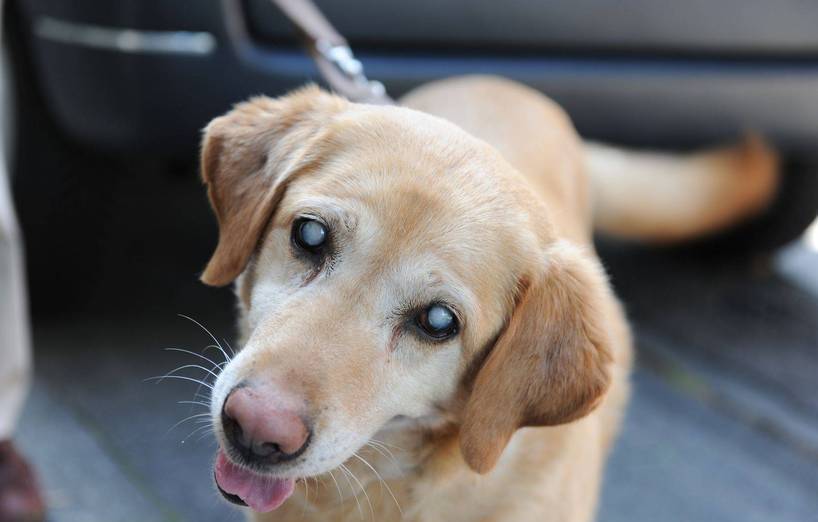
Unfortunately some dogs can suffer from vision loss and go blind. There are some breeds such as the German Shepherd, Cocker or Labrador, among others, in which this disease occurs more frequently.

Luckily, sight is the third sense for dogs, it comes after smell and hearing, so blindness does not affect them in the same way as it does us and with some facilities they can return to their previous rhythm of life.

At first you may feel disoriented and confused but we must know that blind dogs can also enjoy life Just like any other dog, we just need to adapt. Never better said “It is neither the strongest nor the most intelligent of the species that survives. It is the one that is most adaptable to change”

What can we do if our dog goes blind?

If our dog has been with us in the same house for years, it is only a matter of time before he can move safely around the house. Blind dogs intensify other senses such as smell, hearing and touch, so it will be time to take full advantage of them and take some measures that help them:

  • Don’t move the furniture from his usual place. Thus the dog will not find obstacles where it does not expect them.
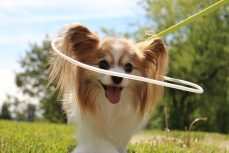
  • There are some harnesses that have a ring attached , this ring has the function of protecting our dog’s head and preventing it from hurting itself with the obstacles it finds in its path.
  • If it is a house with stairs, it is useful to place a carpet that indicates where they start and where they end. If you want to reinforce safety, we can place mats on the stairs to prevent falls. To teach our dog to go up and down the stairs for the first time, we can place a treat at each step to guide him and teach him the commands (such as “up”, “down”, “left” or “right” for example). As soon as you’ve mastered them, we can use them to guide you up and down the stairs.
  • We can secure all the sharp edges that we find at the height of the dog. In the market we find plastic covers , such as those used to protect small children, which can be used for this.
  • As a positive point, the situation will lead us to be ordered and do not leave any object in the way to prevent tripping or disorientation. Always leaving objects in the same place will make it easier for the dog to feel safe.
  • Food and water bowls They should always be in the same place. If we place the bowls on a mat or a plastic tablecloth, the dog can recognize that it is near the food. For especially insecure dogs, we can also design a “carpet” path so they can guide themselves to where the food bowls are.
  • If we have more than one animal at home, we can place a bell on them that will let us know that it is nearby.
  • On the first rides we can follow paths that are familiar to the dog. Also keep the leash relatively short so you can’t trip over it.
  • We must also get into the habit of talking to them and maintaining contact with caresses along the way and at home , as this makes them feel safe and accompanied.
  • When you meet other dogs It is important to tell the other owner that our dog is blind so that he pays more attention since he now lacks the ability to read the other’s body language, which can quickly lead to misunderstandings between the animals. However, contact with other dogs is also very important for blind animals.

By taking some measures and adapting to the new situation, we can surely find a good path and continue to be happy with our friend.