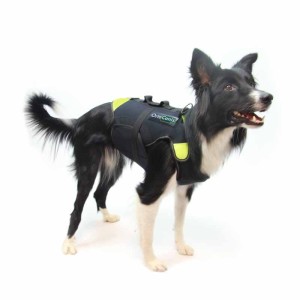
Have you ever seen someone walking a dog carrying it in a therapeutic harness? Today we will explain the properties of the dog harness.

When talking about a dog harness, you’re probably thinking about that alternative restraint system to the collar. And yes, sure enough, that’s also a harness. But today we want to talk about a very special type of dog harness. Do you want to know why?

Because those harnesses allow dogs to regain their mobility. Thanks to those gadgets, our best friends can overcome injuries, speed up rehabilitation, and have all the joy of when they’re healthy. Do you want to know how?
arnes-perro-multifuncion-julius

Therapeutic dog harness: how does it work?

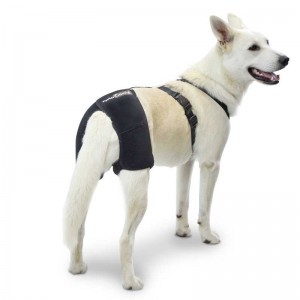
Dog harness with therapeutic properties works, so to speak, as a restraint for the dog. The owner passes under the part of the body that has damaged mobility (hind legs, front legs) so that the handles are up. In this way, a fastening effect is created. The owner carries part of the weight of the dog so that this is not an impediment.

This makes the dog feel lighter and regain some of its agility. Imagine, for example, a dog with a damaged hind leg. Every time he carries his weight, he hurts himself, so he stops exercising and in the end his whole body suffers. It is increasingly difficult for that dog to recover its good state of health.

With a dog harness for the hind legs, the owner of that dog offloads part of its own weight. That way, having nothing to pressure his injury, the dog can return to exercise the muscles without forcing it. Thanks to this, he will recover mobility much earlier and the days of the injury will be a distant memory.

Dogs that will not regain mobility

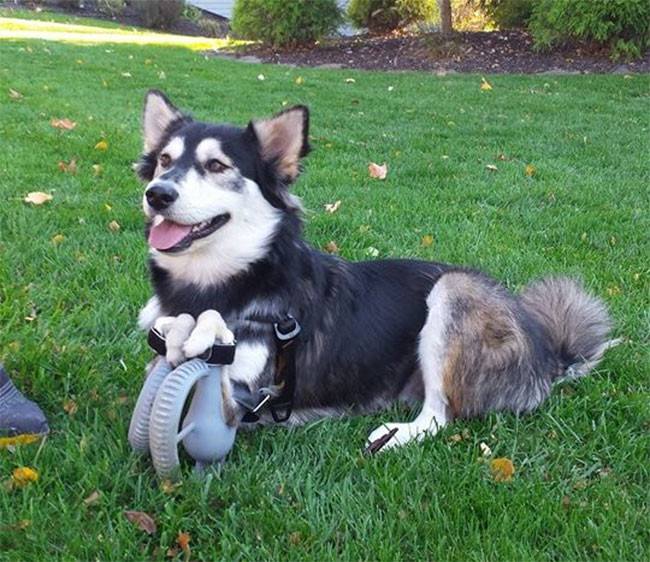
But there is another type of dog that can benefit from the dog harness: those who will never regain their mobility. Wheelchairs for dogs give them the possibility to move freely and have a dignified and relatively comfortable life, but, at the end of the day, they are linked to something that makes them uncomfortable and heavy.
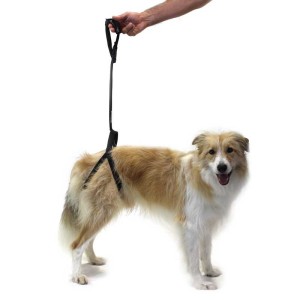
arnes-de-soporte-para-perroA dog harness is a way to give you back that feeling of freedom from time to time. Thanks to the support of his sleep, the dog has the feeling of being able to run autonomously again on his four legs. You will see how your best friend is agitated with happiness by feeling free and light again to run and play for a while. A time that for him means everything.

Dogs need to move in order to lead a good life. It’s not just about the joy they feel when running and playing. Good physical activity is crucial to prevent injury, atrophy or contract diseases related to a sedentary lifestyle. A dog harness is a great way to give your pet a chance to live healthier and happier.
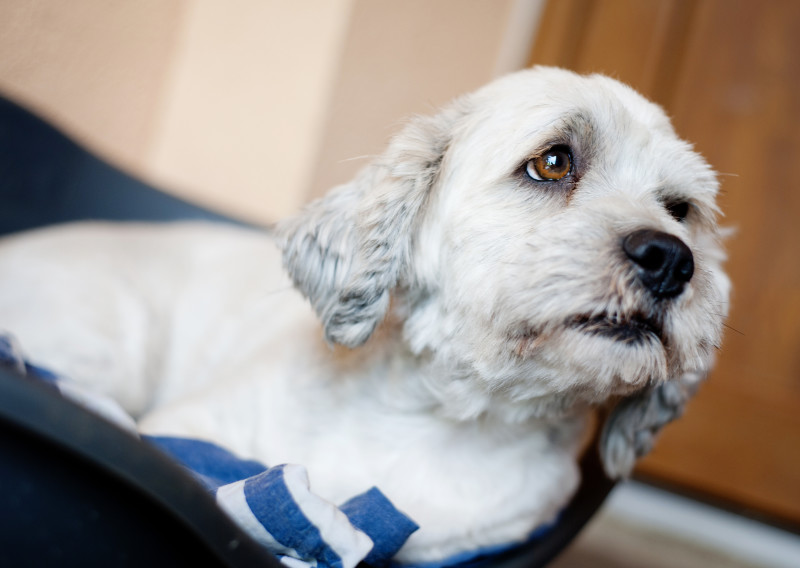
Herniated disc in dogs is a painful disease. Many owners want to help their pets, but they don’t know how. Is this your case? Read on and find out how to help your dog with his herniated disc.

If you have a dog with many years of life or of certain specific breeds (such as beagles or poodles), your pet may have suffered a herniated disc in dogs or is at risk of suffering from it. This disease is painful and can cause problems in mobility, paralysis in certain areas of your body, lack of control of the bladder …

Many dog owners suffer from seeing their best friends in that position, but they don’t know how to help them. In this article we want to give you some tips to make the recovery of herniated disc in dogs more bearable.

Hernia discal en perros: consejos para ayudar a tu mascota

Herniated Disc in Dogs: Tips to Help Your Dog

1. When in doubt, take your pet to the vet

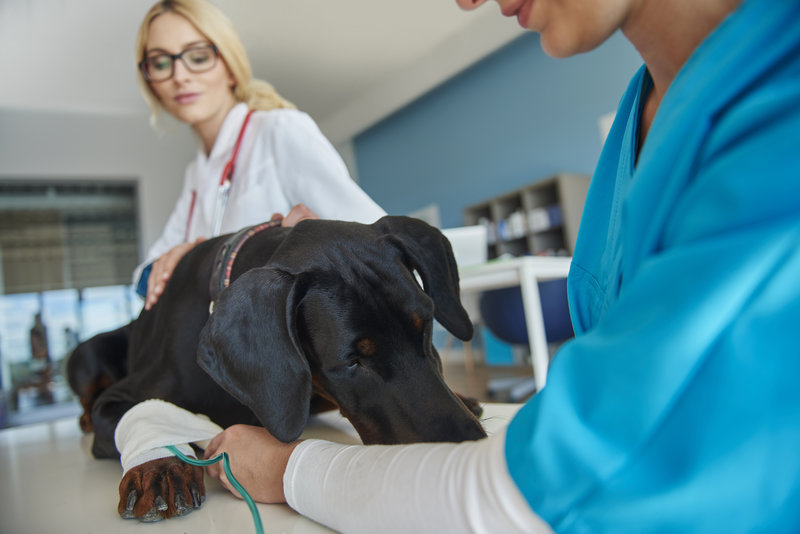
Hernia in dogs can occur for several reasons. Sometimes they are degenerative herniated discs produced by age. And some dogs have a genetic tendency to contract them. But sometimes they are produced by activity. A jump or a bad fall can lead to a herniated disc in dogs. If you notice any kind of limping or pain in your dog, take him to the vet. Express your doubts and ask him to do a complete check-up on the dog. Prevention can prevent your dog from annoying and painful rehabilitation and even surgery.

2. Follow the program prescribed to your dog

Herniated discs in dogs have built-in rehabilitation that includes exercises and medication. This can be a nuisance to you as a dog owner, but remember. Your dog is a loyal friend and deserves the best. Follow the guidelines that the veterinarian prescribes you and you will see how your state of health improves. Some exercises you can do are treadmill rides, stimulation, application of heat to the affected area using an infrared lamp … The veterinarian is the expert, so you should ask him any questions about the treatment that may arise.

3. Complement the treatment with alternative methods

A word of warning: an alternative treatment is an adjunct to the therapy ordered by the veterinarian. In no case replace medication or rehabilitation exercises with an alternative therapy.

However, certain techniques have been shown to help relieve pets during their recovery from a herniated disc in dogs. Animal physiotherapy or electrotherapy can help accelerate the effects of veterinary therapy and make it less unpleasant for your dog.

4. Acquire specialized equipment

Some accessories, such as dog wheelchairs, thermal coats, special feeders or ramps to help you get on the sofa or car can make it easier to rehabilitate herniated discs in dogs.

Dogs are faithful creatures that are by our side when we need it most. Give him the same treatment. Help him when he faces the pains of the herniated disc in dogs and you will see how the joy of your pet returns to the home.

If your dog has mobility problems or injuries, have you considered acquiring a wheelchair for dogs? Below we tell you the 3 benefits of acquiring a wheelchair for dogs.

You may have ever seen dogs in wheelchairs and felt some grief. Pets look small and helpless in dog wheelchairs. Their mobility is no longer the same, they can not jump and run as before and you have to adapt the house so that the dog can move comfortably.

However, for the dog a wheelchair is not a punishment. Quite the contrary. Think of it this way: the dog wheelchair is a device that allows animals that can no longer move comfortably to overcome pain and physical impairments and live a life as full and happy as possible.

If you think your pet needs a wheelchair for dogs and you suffer at the thought of acquiring one, don’t worry anymore. Today we want to tell you the 3 benefits of wheelchairs for dogs. Improve your pet’s life today and enjoy many years of joy with it.

{%ALT_TEXT%}

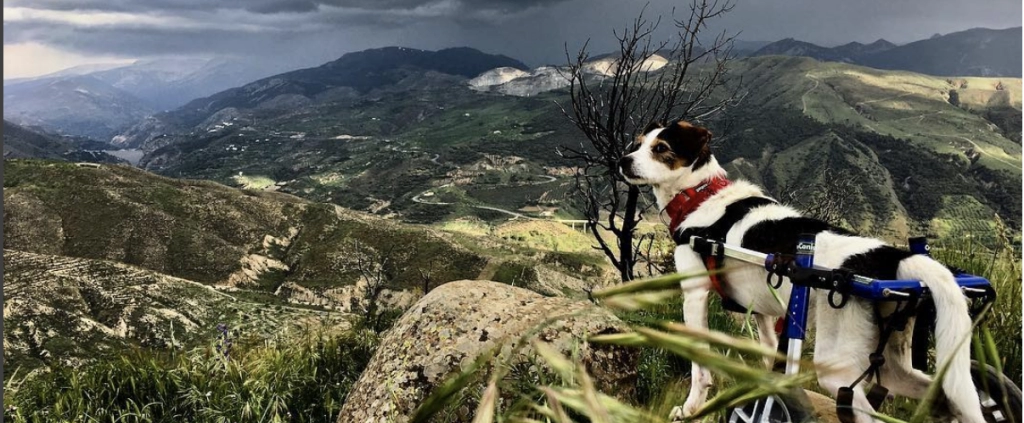
@happysevilla with your self-adjusting dog wheelchair

The 3 Benefits of Acquiring a Dog Wheelchair

1. Avoid pain

Imagine that your dog has an injury to one of his hind legs that makes him limp. The dog wheelchair allows you to run again and enjoy walks and socialize with other dogs without pain. Also, since you will no longer strain the injured dog’s paw, it will speed up your recovery. Before you know it, your best friend will be back in top form pulling on the leash when you take him out for a ride.

2. Regain mobility

Some dogs, especially older ones or those with a genetic tendency, suffer from herniated discs in dogs. One of the symptoms is loss of mobility and paralysis of some parts of the dog. This prevents them from leading a healthy and happy life. Wheelchairs for dogs allow them to dodge this impediment and return to enjoy all the fun of walks and socializing with other dogs. As with humans, the dog wheelchair can make your pet regain its independence and avoid the obstacles of poor mobility.

3. They are adaptable

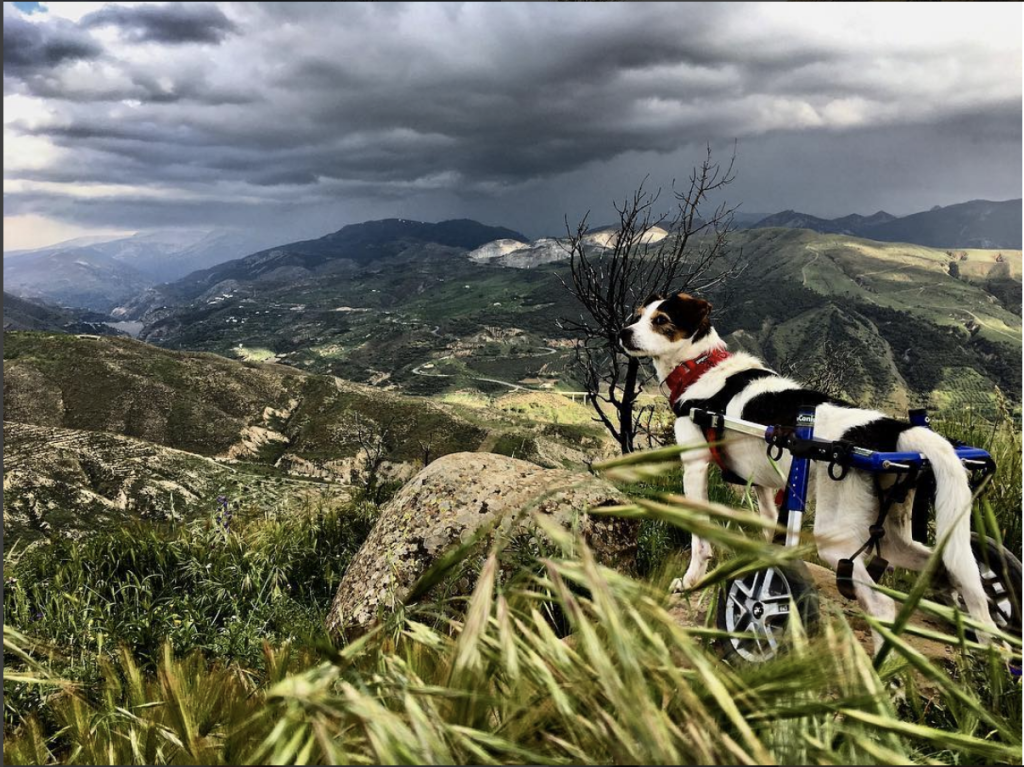
Dog wheelchairs can adapt to different sizes, your dog’s needs and almost all terrains. Your dog will not have to give up the beach or the mountain and will be able to continue carrying the same train of life as before the injury.

The wheelchair for dogs is a complement that they do not lock in metal bundles. On the contrary. It allows them to run again and lead healthy, full lives, away from the sedentary lifestyle and unhappiness they would have without them. Do not think twice and acquire for your dog a wheelchair with which he can return to play and be happy.

Osteoarthritis in dogs: the most appropriate treatments to relieve it

Dogs can also suffer from osteoarthritis as they get older. Just like humans. This disease, caused by wear and tear on the cartilage of the limbs of animals, causes them a lot of suffering. Luckily,
osteoarthritis in dogs
can be treated.

Thus, among its symptoms are pains, lameness of the affected limb or stiffness. Also difficulty moving and climbing stairs. And even experience a loss of mass in the muscles, and an abnormal decrease in your appetite.

Obviously, the sooner the symptoms of osteoarthritis are detected in a dog, the sooner the most appropriate treatment can be applied. As we will see below, it will be different depending on its severity.

Osteoarthritis in dogs: the most appropriate treatments to relieve it

Treatment for osteoarthritis in dogs

The first thing to do before a dog affected by osteoarthritis is several changes in its routine. All with the aim of getting the animal to have the least problems and the greatest possible autonomy. For example, if you regularly rest in a house with several floors, change your sleeping cushion to a plant where you do not have to climb stairs.

It will also be necessary to inevitably follow the instructions of the veterinarian. He will probably suggest giving the dog a treatment based on anti-inflammatories. In addition, it is likely to suggest that the animal take a compound with vitamins and minerals, in addition to collagen. With this type of compounds, what the veterinarian intends is that the cartilage stops its wear. Also prevent it from deforming.

However, we must not ignore the fact that osteoarthritis is a chronic degenerative disease. It is necessary to avoid as much as possible that the animal has pains, for which other measures can be taken. Among them, monitor your weight and prevent you from gaining excess weight. You also have to make sure that there are many fatty acids in your diet. This favors the elasticity of the joints.

You also have to make sure that the dog does light exercise. Of course, adapted to your possibilities. For example, try to take walks, but prevent it from running. On the other hand, since extreme temperatures are not suitable for osteoarthritis, you have to protect yourself from them. Thus, it is necessary to avoid exposing it to both extreme cold and excessive heat.

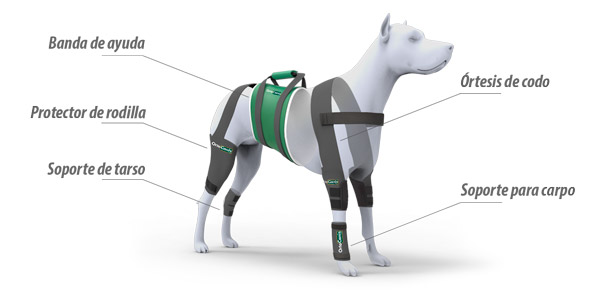
In very severe cases of osteoarthritis, dogs may need to replace their affected joints with prostheses. Exactly the same as what happens in older people with age-related degenerative diseases. But that is only appropriate if the situation is already very serious. Or if the veterinarian so advises. Meanwhile, they can be helped with palliative treatments. Or with protectors that provide stability.

How to Manage Osteoarthritis in Older Dogs

Osteoarthritis in older dogs is a condition that significantly affects the quality of life of our pets. This degenerative joint disease can cause pain and reduce mobility, but, with proper management, it is possible to relieve its symptoms and improve the well-being of our canine friends.

Early Identification: Recognizing the signs of osteoarthritis is crucial. If your dog shows reluctance to move, stiffness when getting up, or decreased activity, it’s time to consult your vet.

Available Treatments: There are several options for managing osteoarthritis, including anti-inflammatory medications, joint supplements, and physical therapies. A comprehensive approach is often the most effective.

Home Changes: Small modifications to the home can make a big difference. Provide a comfortable bed, prevent your dog from jumping to heights, and consider using ramps if necessary.

Importance of Diet and Exercise: Maintaining a healthy weight is essential to reduce the load on the affected joints. Low-impact exercises such as short walks can help maintain mobility without putting stress on the joints.

Protectors for limbs affected by osteoarthritis

In case osteoarthritis causes enough discomfort to the dog, it is advisable to protect the limbs that are affected. For this, protectors suitable for both the animal and the disease can be used.

For example, knee protectors for dogs. Or, if the animal is already very old and suffers from advanced hip osteoarthritis, a wheelchair can help it maintain mobility. Even a suitable harness, with which dogs with mobility problems in the hind legs can achieve more stability.

perro-multimedia-600x300_6

A device picks up signals from the brain and forwards them to a sensor that activates the endings responsible for controlling the muscles.


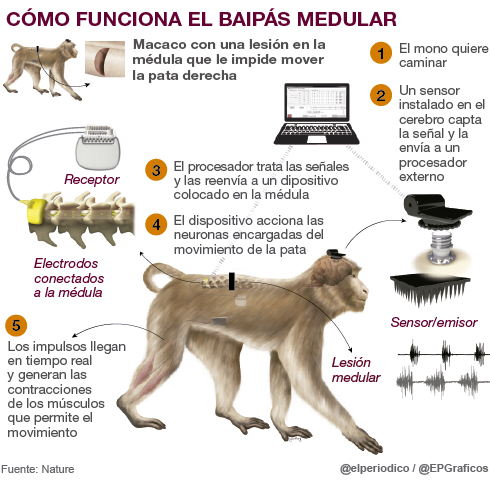
A macaque that could not move one of its hind legs because of a spinal cord injury, has managed to walk almost normally thanks to a “bypass” that wirelessly communicates the brain and the endings responsible for activating the muscles. This cerebrospinal neuroprosthesis, as defined by those responsible, has been developed at the École Polytechnique Fédérale de Lausanne, in Switzerland, in collaboration with other research centres and the company Medtronic.

The animal has a small sensor built into the brain that captures the emitted signals – from the macaque’s desire to move – and sends them to a processor. The data is treated and decoded and then forwarded to another device with electrodes that are placed in the lumbar area of the spinal cord, on the other side of the injury, and activate the neurons that direct the muscles of the affected leg. -“What we do is restore in real time and wirelessly the communication between the celebrity and the locomotor system“, says one of the authors in the project, Eduardo Martín Moraud, a Spanish engineer who works at the University of Oxford (Nuffiel College) and who had already been 5 years in the team of the Swiss School.

The details of the research, whose first satisfactory results were obtained in June 2015, have been published in the scientific journal ‘Nature’. One of the two monkeys in the experiment recovered the use of his paralyzed limb in the first week after the injury, without training, both on the treadmill and on the ground, while the second took about two weeks.

Recuperacion paralisis animal

As reported by the EPFL, a clinical study has been launched at the University Hospital of Lausanne to validate the therapeutic effects of the technology in people with spinal cord injury, but only partially. For now, what is done is to check if the placement in the marrow of a device with electrodes, previously programmed, manages to restore the movement of the legs. It does not communicate with the brain.

THE PROCESS

As the researchers explain, when the brain decides to perform a movement or any other activity, there is “a transmission of electricity peaks between neurons” that can be measured and interpreted by a mathematical algorithm. In an intact nervous system, the signals that denote walking come from a small region of the brain called the motor cortex (or motor cortex).

Subsequently, the signals travel through the spinal cord, reach the neural networks located in the lumbar region and these activate the muscles of the legs to produce the movements.

Spinal cord injuries, partial or complete, prevent these signals from reaching neurons and cause paralysis. However, the motor cortex still maintains the brain activity that generated walking instructions. And the neural networks that activate the muscles in the paralyzed leg are also intact and can still generate leg movements.

On this occasion, “96 neural channels of the cortex that offer a lot of information” were measured, says Martín Moraud, who recalls that in previous experiments, for example, it had already been possible for human patients to activate a computer at a distance just by thinking about doing so. “We were interested in controlling only two events: when the leg is raised and when it is perched,” he continues.

Then, the electrical stimulation of a few volts, in a specific area of the spinal cord, modulates different networks of neurons that can activate specific muscles in the legs. “I have dealt specifically with the system that allows you to stimulate the marrow in real time,” continues Martín Moraud.

NO TRAINING REQUIRED

For the monkeys to regain mobility, “no physiotherapy or training was necessary,” says neuroscientist Erwan Bezard of the University of Bordeaux, who oversaw the experiments. All treatments have been carried out after control by the bioethics committees of the participating centers.

“For the first time I can imagine a completely paralyzed patient being able to move his legs through this brain-spinal interface,” neurosurgeon Jocelyne Bloch of the University Hospital of Lausanne (CHUV), who is responsible for placing the implants in the brain and spinal cord, said in a statement.

Source: The journal, Scientific Journal Nature.

Ayudas para perros pararíticos

derby-protesis-mainThe development of 3D printers is allowing very important advances in the field of medicine. Initially, this technology was used to create parts perfectly adapted to the body of each individual, using plastic materials. Medicine is already going further and organs are beginning to be created with biological materials in order to temporarily or permanently replace parts of the body.

Custom prostheses created with 3D printers have been used in humans, but this time the beneficiary has been Derby, a dog. It is an adopted dog, with a birth deformity on its front legs.

The adaptation of the prostheses are perfect, since the “mold” is obtained from Computerized Tomography of the dog’s limbs. The first prostheses used have been of low height so that it can be adapted to them to, in the future, make the definitive ones.

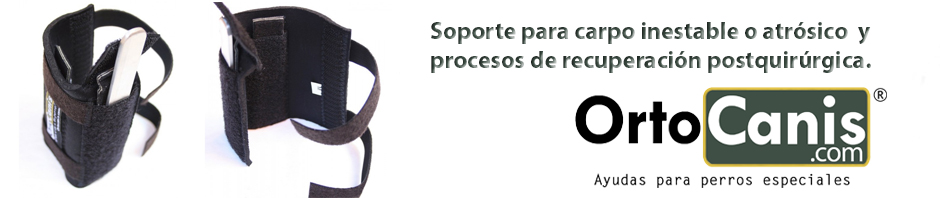
Soporte para carpo

como-curar-con-la-temperatura

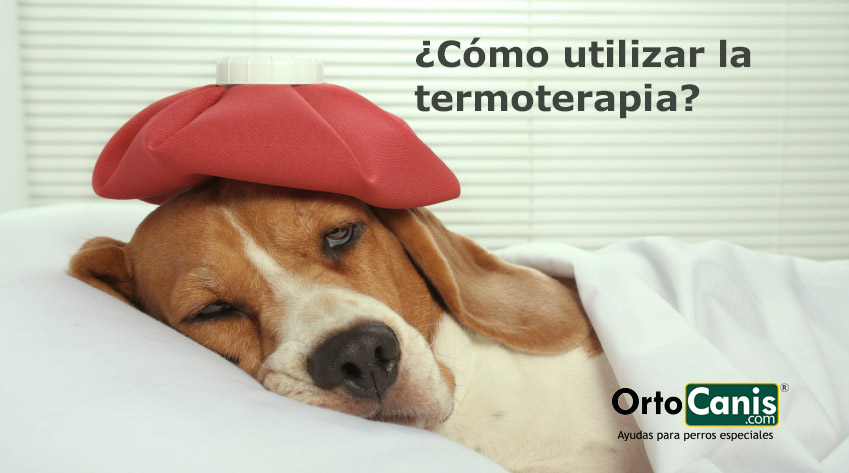
Thermotherapy is, broadly speaking, the treatment by means of temperature. It is the most initial and intuitive phase of a rehabilitation; to such an extent, that all of us throughout our lives have applied it on occasion. Who has not hurt their ankle and when they got home they put on ice? Or heat when our back hurts?

The use of heat or cold in these cases is based on the characteristics of inflammation. In the initial phases (24-72h from the trauma) it is indicated to put cold. Thus, by decreasing the supply of blood to the area, we limit the exudate and, therefore, the inflammation. After the first few hours, it can be started with the application of heat, to increase blood flow and reorganization of the scar.

As for the analgesia produced by both heat and cold, there are several
soporte para perro con displasia de caderatheories, although the most accepted is the gate control theory. According to this theory, the fibers that transmit heat and cold are much faster than those that transmit pain, in such a way that the pain signal is inhibited in favor of those of temperature, pressure … That is, we “overload” the nervous system with information (in this case temperature) so that the body does not perceive the pain, even if the cause continues. It is also believed that the application of heat increases the secretion of endorphins.

Here you have an article where we delve into something more about thermotherapy, contraindications or precautions that we must have.

Guzman Herrera

Source: Veterinary Rehabilitation

Cama ortopédica para perros

Increasingly, physiotherapy and rehabilitation are being established as one of the basic pillars in veterinary traumatology and neurology.

While good diagnosis and surgical or pharmacological treatment are critical, rehabilitation can really make all the difference.

The structures of the musculoskeletal system are closely related to each other. The inactivity or poor function of one severely affects the others.

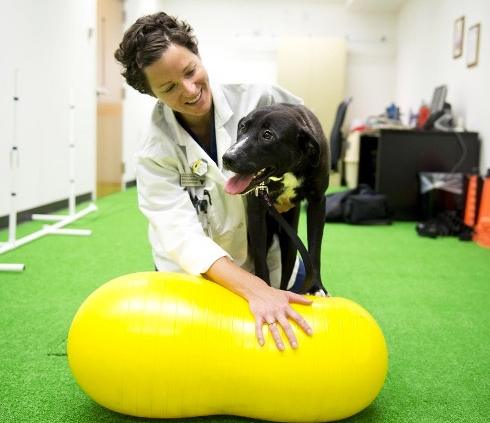
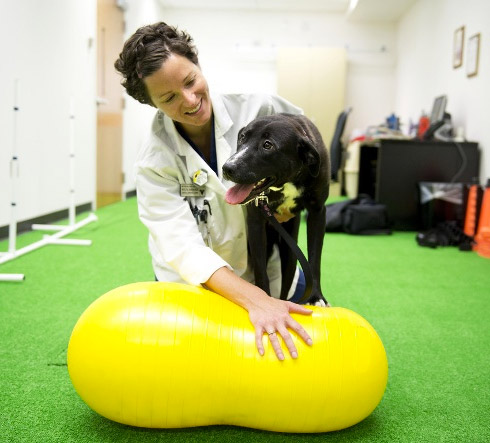
Pelota-cacahuete RehabilitaciónLet’s take a frequent example: hip dysplasia. This is an incongruity of the hip joint, in which bone, cartilage, joint capsule, synovial fluid and ligaments are affected.

The moment the dog feels pain, it lowers its activity drastically. This causes a loss of muscle mass around the joint. As a result, the joint will be less “embraced” by the muscles, increasingly weak and with less force. Then the joint will be more unstable, causing more osteoarthritis (which in turn will increase the pain, which will further lower the activity of the animal). As you can see, it is a vicious circle from which it seems very difficult to escape. The key is to re-exercise those muscles. A possible solution is the use of a wheelchair: these support most of the weight of the animal, but allowing it to exercise the hind limbs. For very advanced cases in which the animal can no longer move the limbs, there is the option of electrotherapy, which will allow us to make passive movements of the muscles. There are even electrotherapy terminals for home use.

When our dog has a musculoskeletal or nervous problem, it is very important that we ask the veterinarian what is the appropriate activity at each stage of the disease.

Here we leave you with a video where the importance (and the wonderful consequences) of a gentle and constant rehabilitation is demonstrated:

Material para rehabilitación veterinaria

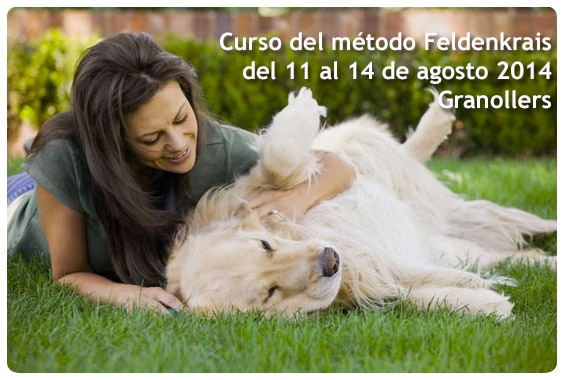
Curso Feldenkrais para perros

Do you want to make a summer getaway and relax in a privileged environment while you learn to help your pet recover lost mobility? Do you want to spend a few days interacting with animal lovers like you?

For the first time in Spain, Nancy Aidelman presents a course based on Feldenkrais, a technique that over the years has proven to be very useful in people with chronic pain and mobility problems. Now it is also applied in dogs, cats and horses with very good results. It is applicable to all types of dogs, of all ages and conditions. Do you want to know more about Feldenkrais?

If your dog feels tired after walking a few minutes, had an accident and is no longer the usual one or is simply older and can no longer move as before, with us you can learn to help him.

NANCY AIDELMAN

Nancy Aidelman

She is a teacher of the Feldenkrais method and Trainer of the Bones for Life Program. For more than a decade he has been dedicated to both techniques and helps people with motor deficiencies, pelvic floor problems and decalcification and dogs with mobility and pain problems. It also trains professionals.

HOW WILL WE DO IT?

Through our hands:

  • We will understand the reason for your dysfunction and weakness.
  • We will manipulate your joints, gently and with great patience.
  • We will organize your members in the most effective way.
  • We remind your brain of various movement patterns.

WHAT WILL WE ACHIEVE?

  • Improve your mobility by recovering your nature pattern
  • Regain its stability by improving its activity.
  • Increase if vitality and joy.
  • Give back to our animal the quality of life it deserves with its typical cheerful and natural movement.

WHERE AND WHEN WILL WE DO IT?

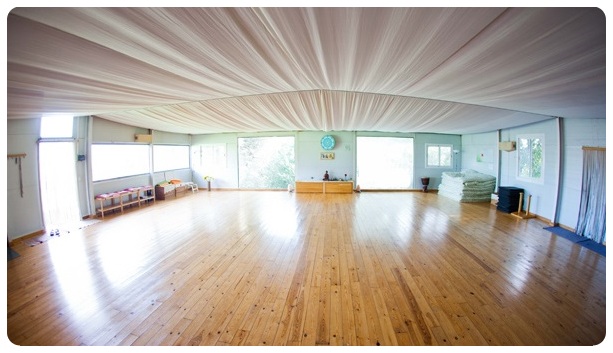
In Omshanti. It is a farm dedicated to yoga, in the middle of nature with a large garden, fruit trees and swimming pool. Come with us to relax!

OmShanti

OmShanti Granollers. Camí de l’Estenoc s/n 08402. Les Franqueses del Vallès

How to get there?

11,12, 13 and 14 August 2014

From 10:00 a.m. to 1:30 p.m. and from 3:00 p.m. to 4:30 p.m.

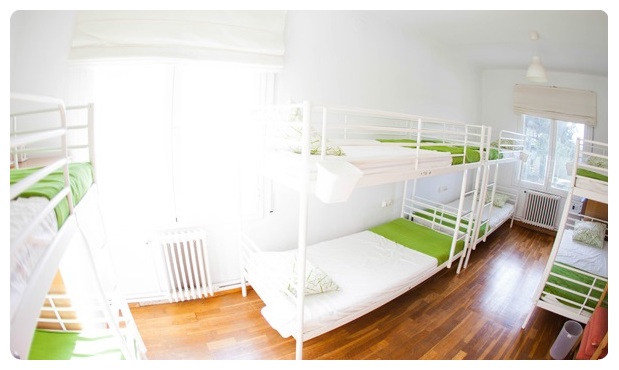
OmShanti habitación

PRICE

Course: 250euros

Vegan lunch 4 days (optional): 50 euros

Accommodation of 3 nights (optional): 50 euros

INFORMATION AND RESERVATIONS

Maria Teresa Llobet. Call 687 26 26 24 or write an email to [email protected]

REGISTRATION CLOSED (03/08/14)

Perro-Feldenkrais

Feldenkrais® is a method that is based on the learning capacity of the Nervous System using movement and attention directed to the body as a vehicle to access the brain and its ability to create new neural connections and new movement patterns.

In this way, the brain is educated through the messages of the Nervous System. Postural habits are highlighted, new neuro-muscular schemes are investigated for a better availability of movement and the interconnections between the different parts of the body are discovered.

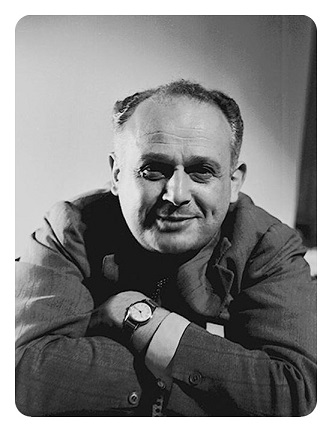
Dr. Feldenkrais

This method was developed over 40 years of study and research by PhD in Physics Moshe Feldenkrais (image). It is a revolutionary approach to understanding the functioning of the human being and to improving physical and mental performance. It uses movement to enhance our natural ability to discover, learn, change, and continue to develop throughout our lives.

In no case does it replace a medical treatment, it is an educational method. Their goal is to overcome pain and limitations and achieve a state of physical, mental and emotional well-being and vitality.

The sessions can be individual in which the teacher mobilizes the student’s body with his hands or group sessions in which the teacher verbally leads the students to perform simple but unusual sequences that involve thinking, feeling and acting imaginatively.

Método Feldenkrais perro

The Feldenkrais method can also be applied to animals, helping in cases of chronic pain and support alterations, such as cases of hip dysplasia or osteoarthritis among many others.

In the Feldenkrais method in dogs, a teacher directs the owner, who is the one who applies the movements to the dog to the animal.

With the application of this method to the dog we will get:

  • Improve your mobility by recovering your natural pattern.
  • Regain its stability by improving its activity.
  • Increase your vitality and joy.

We hope you find it helpful.

Ortocanis.com Team

Curso del metodo Feldenkrais para perros