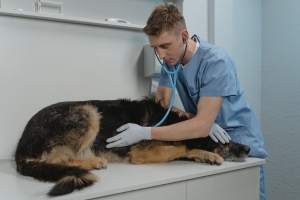

Canine orthopedic surgery is an increasingly common procedure in dogs with joint problems or trauma, such as anterior cruciate ligament rupture, fractures or patella dislocations. However, the success of the procedure does not end in the operating room: it really begins with postoperative care.
In this guide we explain how to ensure a safe, comfortable and effective postoperative recovery.
1. Rest and proper control of movement
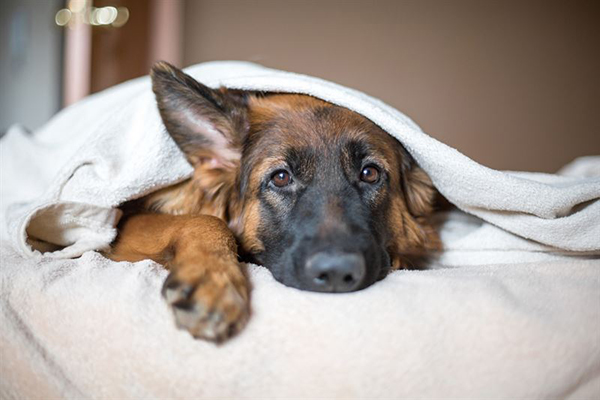
The first few hours after surgery are critical, and there is a chance of complications. That’s why it’s important to limit their physical activity and ensure that your dog rests in one place quiet, warm and without noise, where he cannot hurt himself.
During this time:
- Follow your vet’s guidelines to the letter , and never give your vet medication without consulting your vet first.
- You notice signs of pain such as panting, restlessness, or excessive licking of the wound.
- Prevent him from moving uncontrollably or climbing stairs.
As pointed out in Argos Veterinary Club, the recovery time depends on the type of surgery and the dog’s state of health. But, in general, Orthopedic surgeries can require anywhere from 4 to 12 weeks for a full recovery.
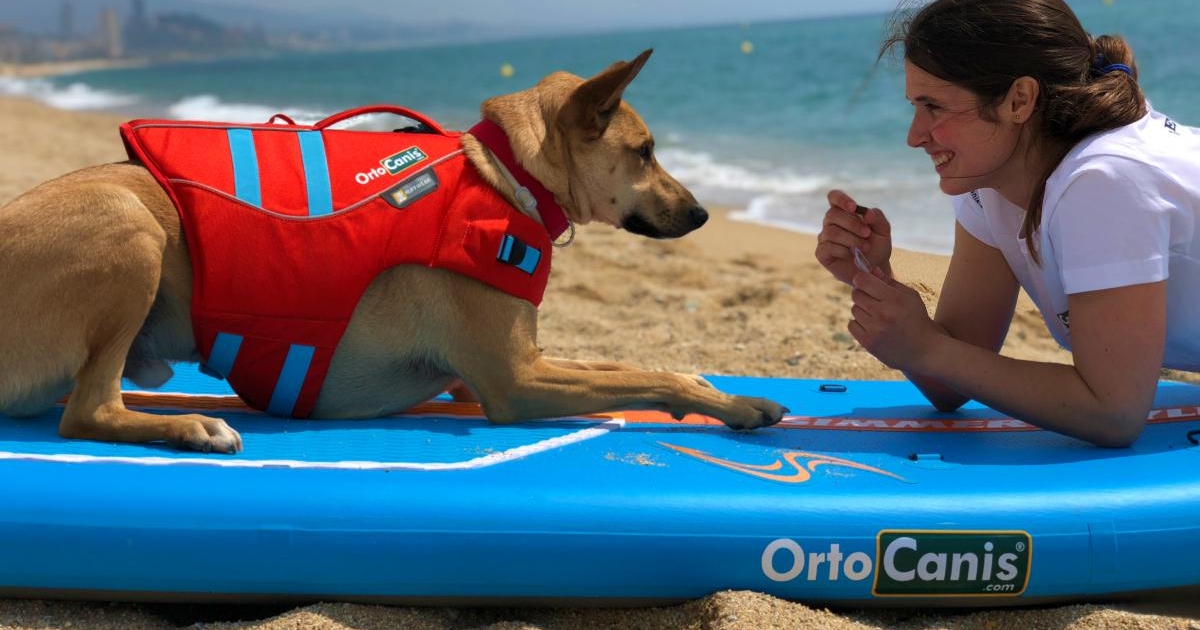
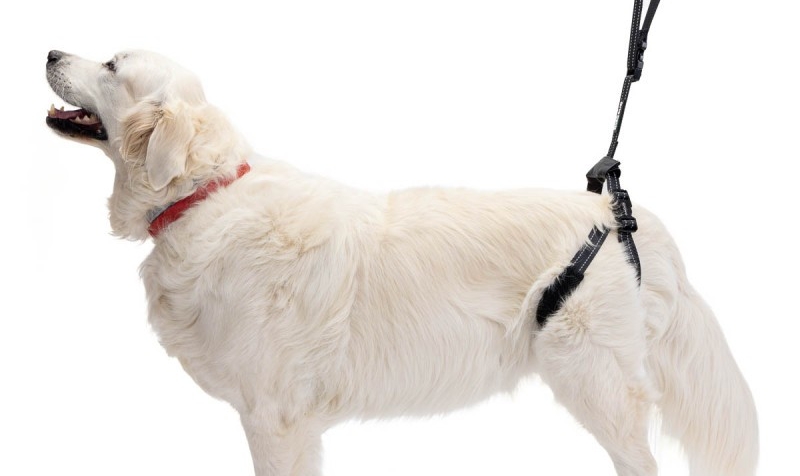
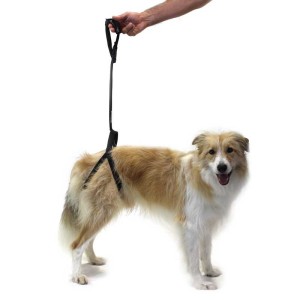
Dog harnesses are a very successful technical aid for this phase, as they allow the dog to be held and stabilized, preventing it from making an effort while it regains strength in its limbs.
2. Surgical wound care
In addition to certain medication, your vet will recommend how to care for the wound. Above all, how you have to clean it to avoid infections. Keeping the wound clean is essential in any Canine Orthopedic Surgery. Check your incision daily for signs of infection such as redness, drainage, or swelling.
Some basic tips that you should keep in mind are:
- Clean the area with gauze and the recommended antiseptic two to three times a day.
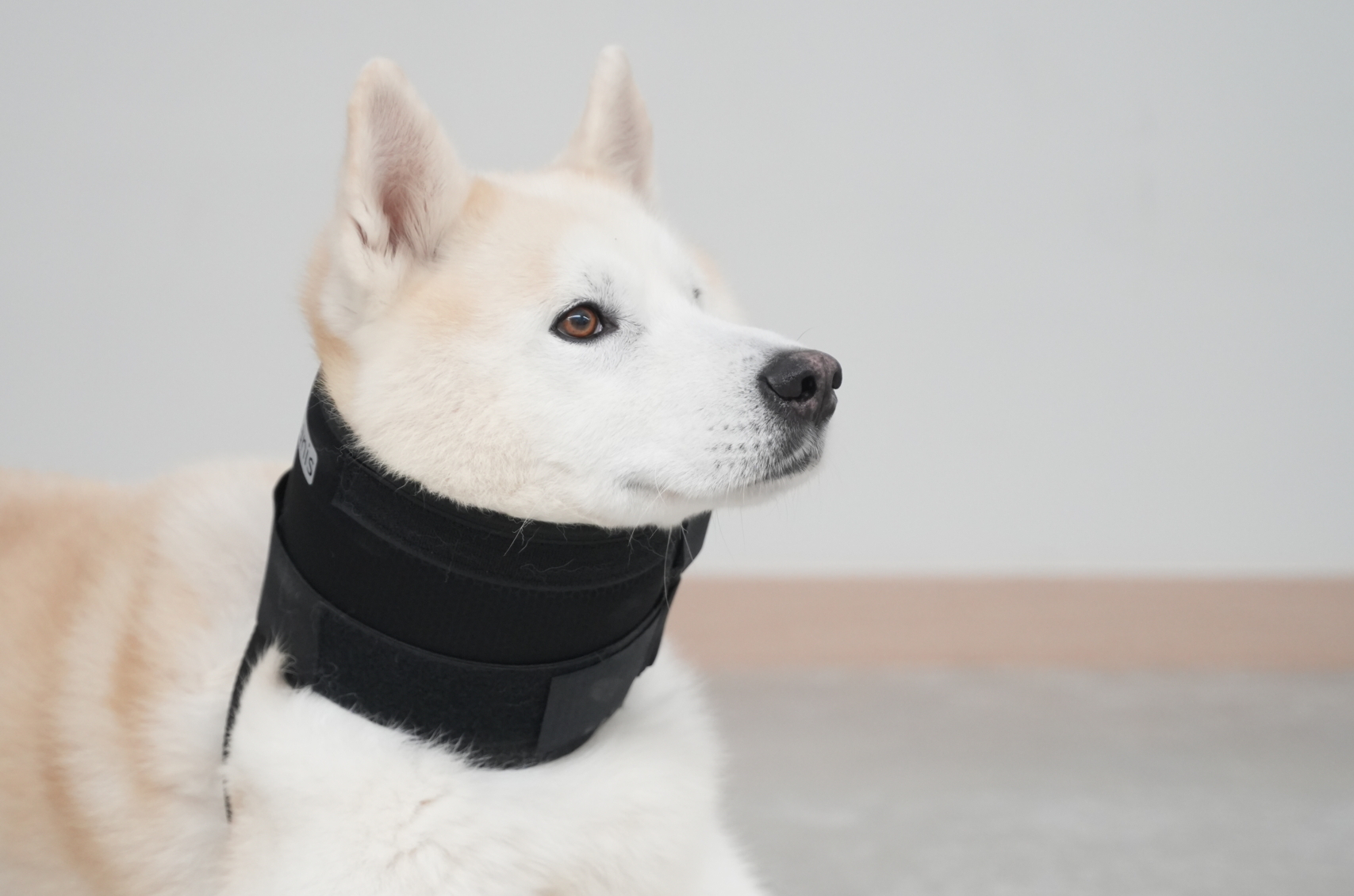
- Use an immobilizer collar to prevent licking.
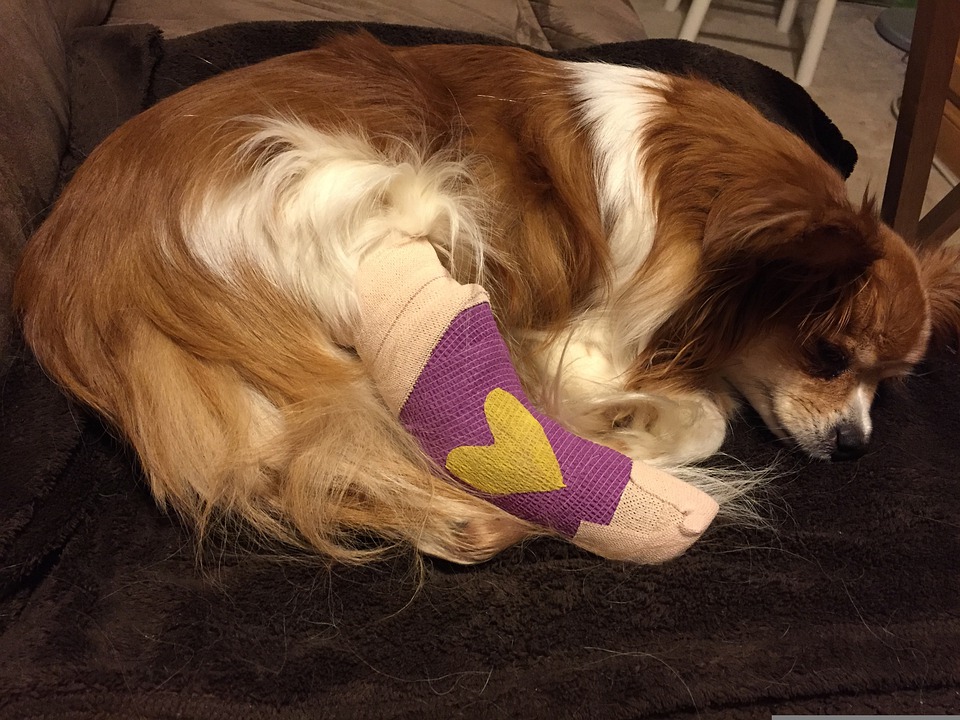
- Do not remove stitches or bandage without veterinary indication.
If you notice anything out of the ordinary, contact your vet immediately.
3. Rehabilitation: key to walking again without pain
After the initial rest, an essential phase arrives: rehabilitation . This stage, supervised and guided by a veterinarian or physiotherapist, seeks to recover the animal’s mobility, strength and coordination.
Common techniques include:
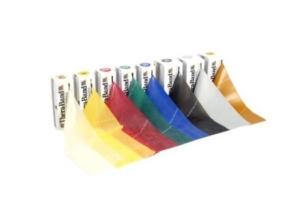
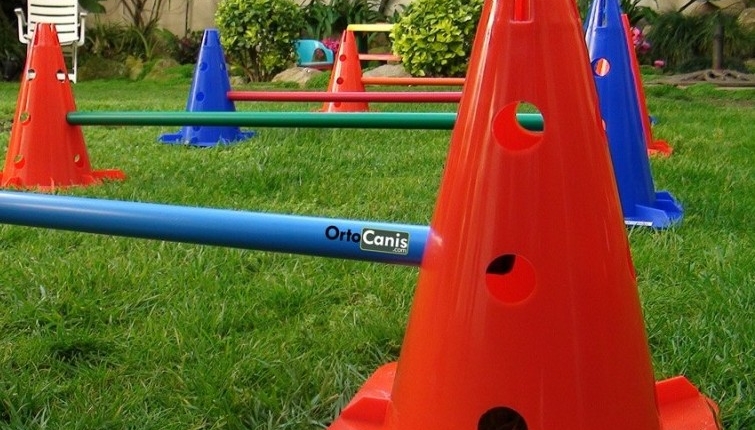
- Therapeutic exercises through the use of ramps, cones, balls and others.
- Cryotherapy, a technique that reduces pain and inflammation by applying cold.
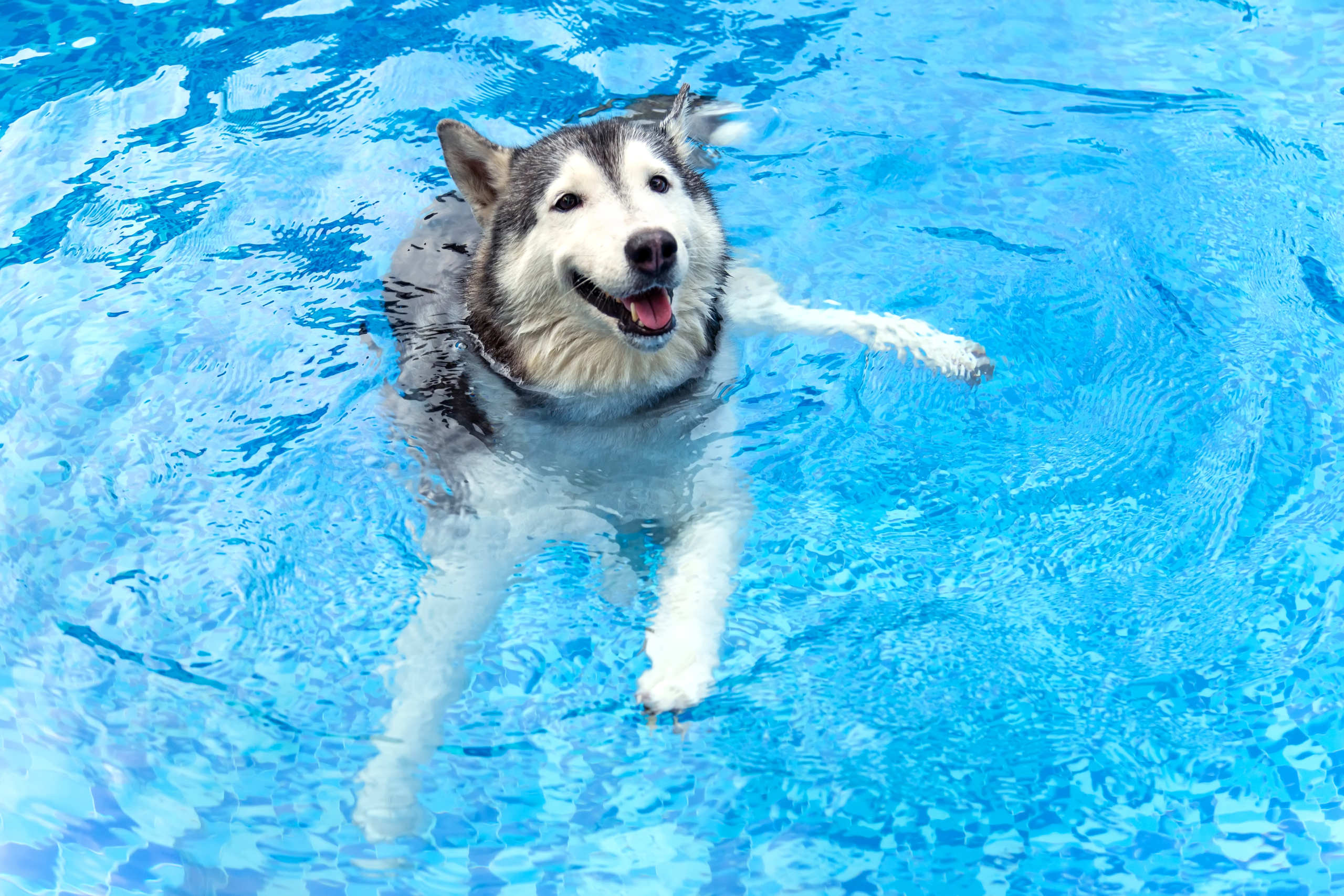
- Hydrotherapy, which allows you to exercise without impact.
In any case, as we explained in our article on the role of physiotherapy in the recovery from the rupture of the anterior cruciate ligaments, physiotherapy will vary depending on the patient and the type of surgical intervention, since some techniques will require greater stabilization.
4. Canine Orthotics
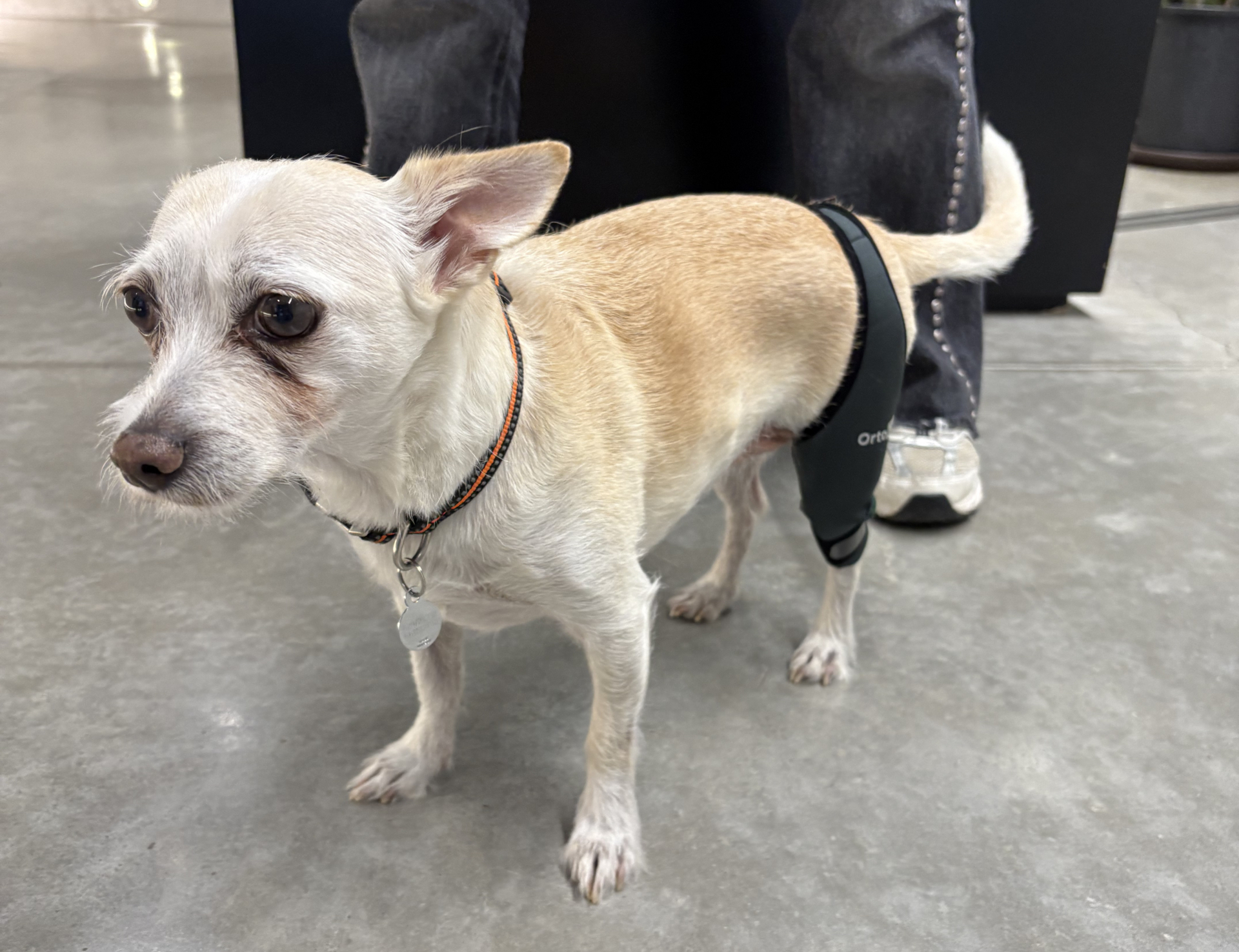 Limb operations are some of the most annoying for dogs, and they mostly take quite some time to heal.
In these cases, the dog may need some extra help to avoid hurting itself and to be able to be more firm in the use of the affected paw.
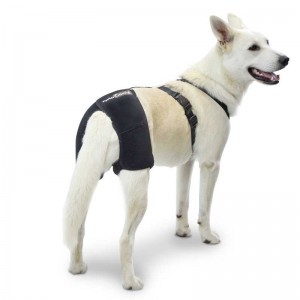
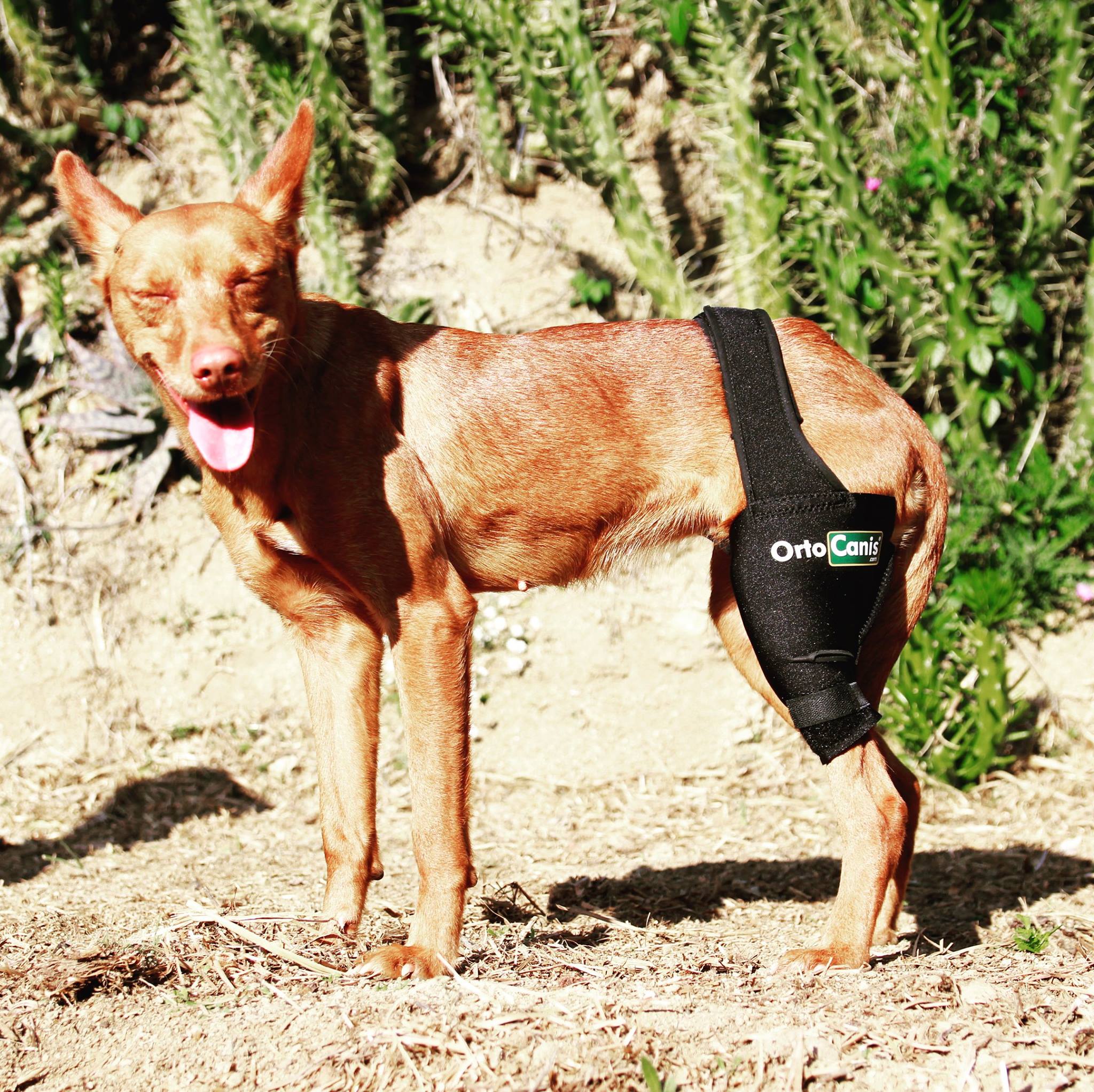
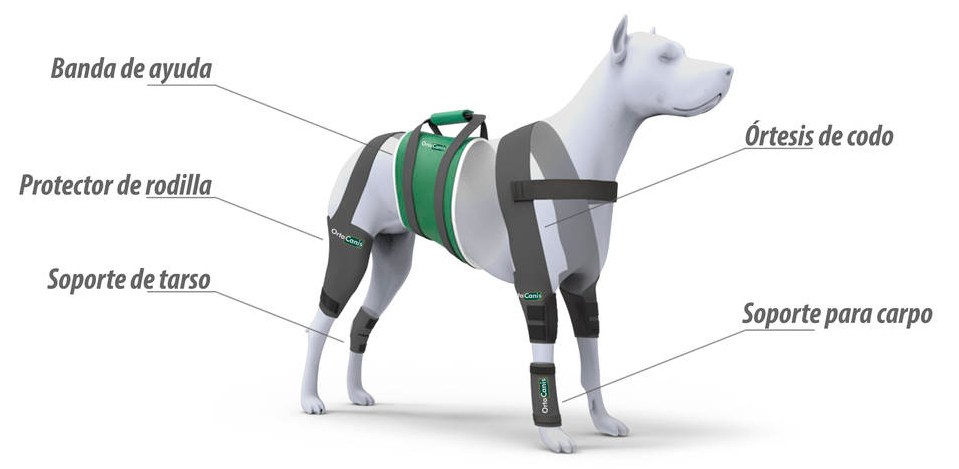
 This is where canine orthopedic supports come in, which play a critical role in the recovery. These technical aids provide stability, relieve pain and allow mobility to be resumed in a controlled way.
These include:
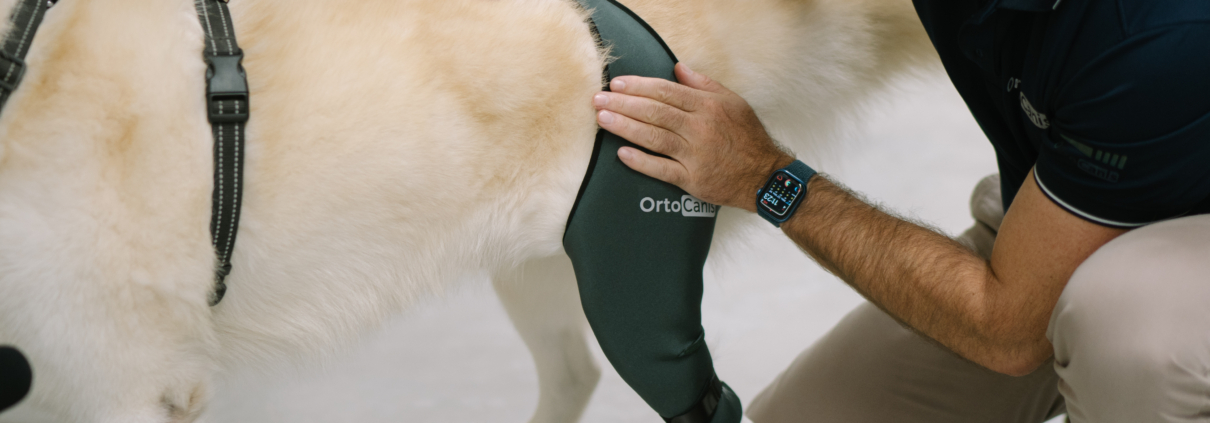
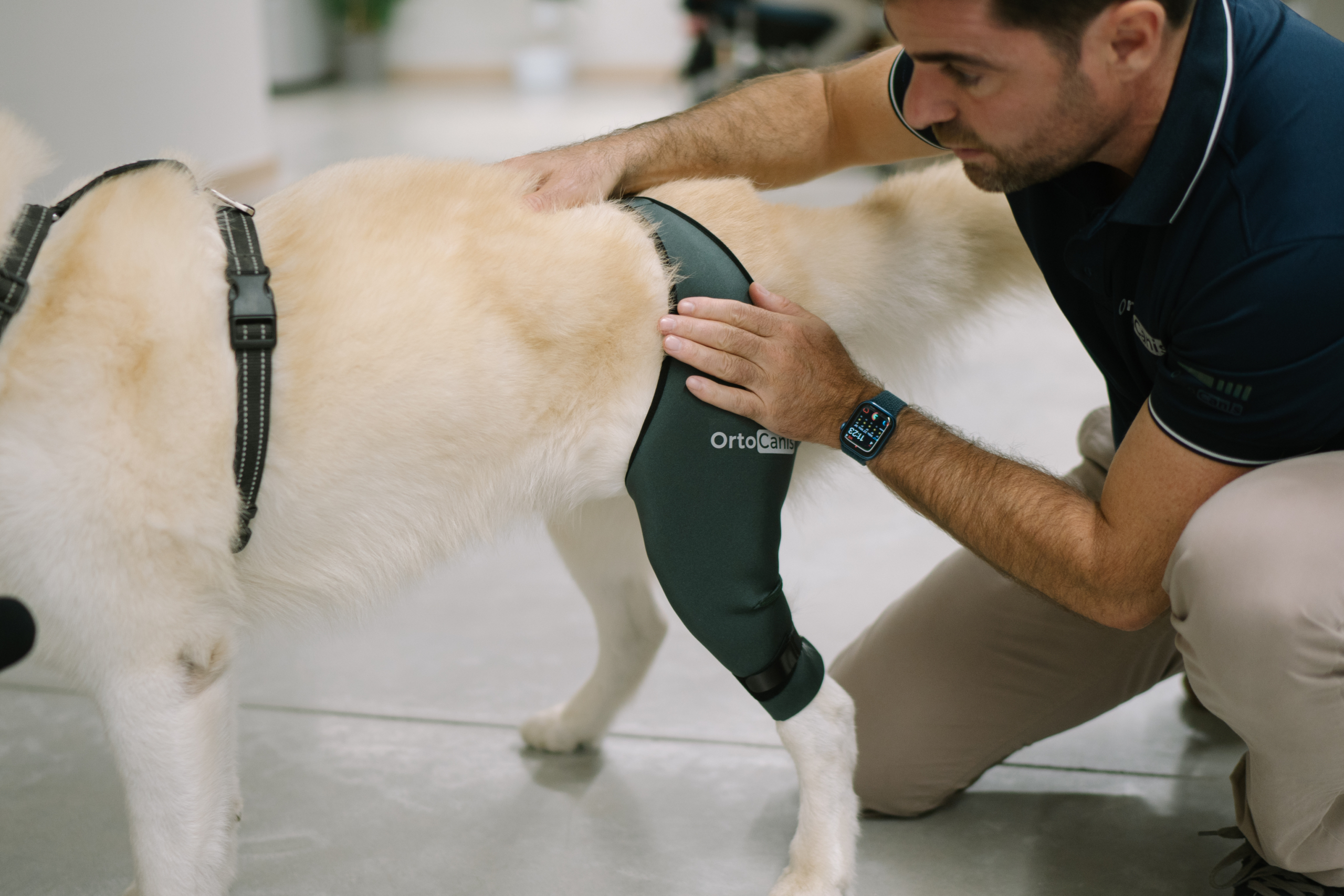
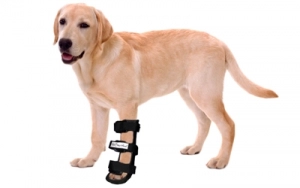
- Protectors or supports, which can be knee, carpus, tarsus or hip, among others.
- Splints, recommended in cases of bone fractures.
- Harnesses, which help lift the dog effortlessly and painlessly.
Ortocanis products are designed and manufactured with materials that guarantee comfort and support adapted to each stage of recovery.
5. Recovery at home
The home environment can make all the difference in a dog’s post-surgical recovery. Here are some simple guidelines we recommend to improve the comfort and safety of the animal:
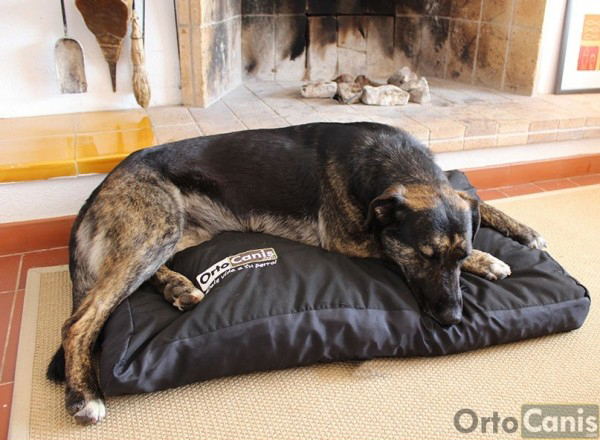
- Prepare a comfortable, clean and ventilated area.
- Places non-slip surfaces and removes obstacles.
- Have your child drink plenty of fluids. Especially in the hours after the operation so that the anesthesia is expelled.
The caregiver’s patience and affection are just as important as physical treatments. A dog that feels safe and accompanied moves forward with greater confidence.
You can find more information in our article on how to help in the recovery of recently operated dogs.
6. Relapse prevention
Once the veterinarian authorizes discharge, the goal is to prevent relapses. Preventive physiotherapy and moderate exercise are key to maintaining joint strength and stability.
Final tips:
- Control weight and eating.
- Perform gentle and controlled exercises prescribed by a professional.
- Use braces if the vet deems it necessary.
- Attend regular check-ups to assess the progress of recovery and make possible adjustments to treatment.
With a good combination of physiotherapy, home care and technical support, recovery after orthopaedic surgery can be complete and long-lasting.
Postoperative care in dogs they require commitment, perseverance and the right tools. Controlling pain, protecting the wound, encouraging progressive rehabilitation, and employing Quality canine orthotics will make all the difference in your dog’s recovery.
Visit Ortocanis.com to learn more information and quality solutions in canine rehabilitation and mobility.
Director of Ortocanis