

Physiotherapy for dogs: Simple exercises to improve mobility
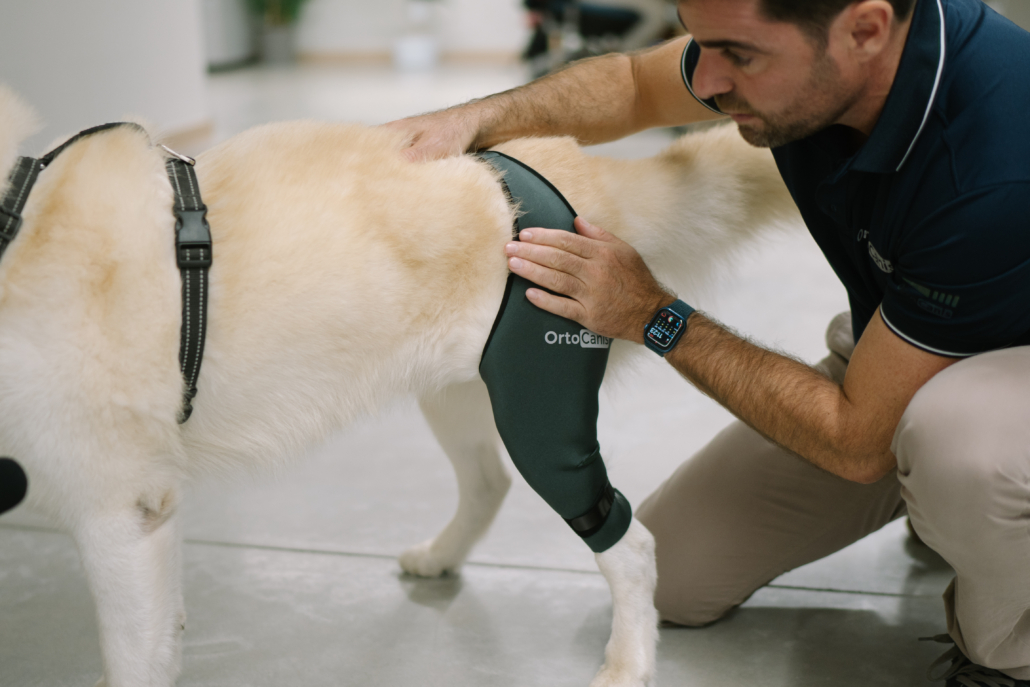
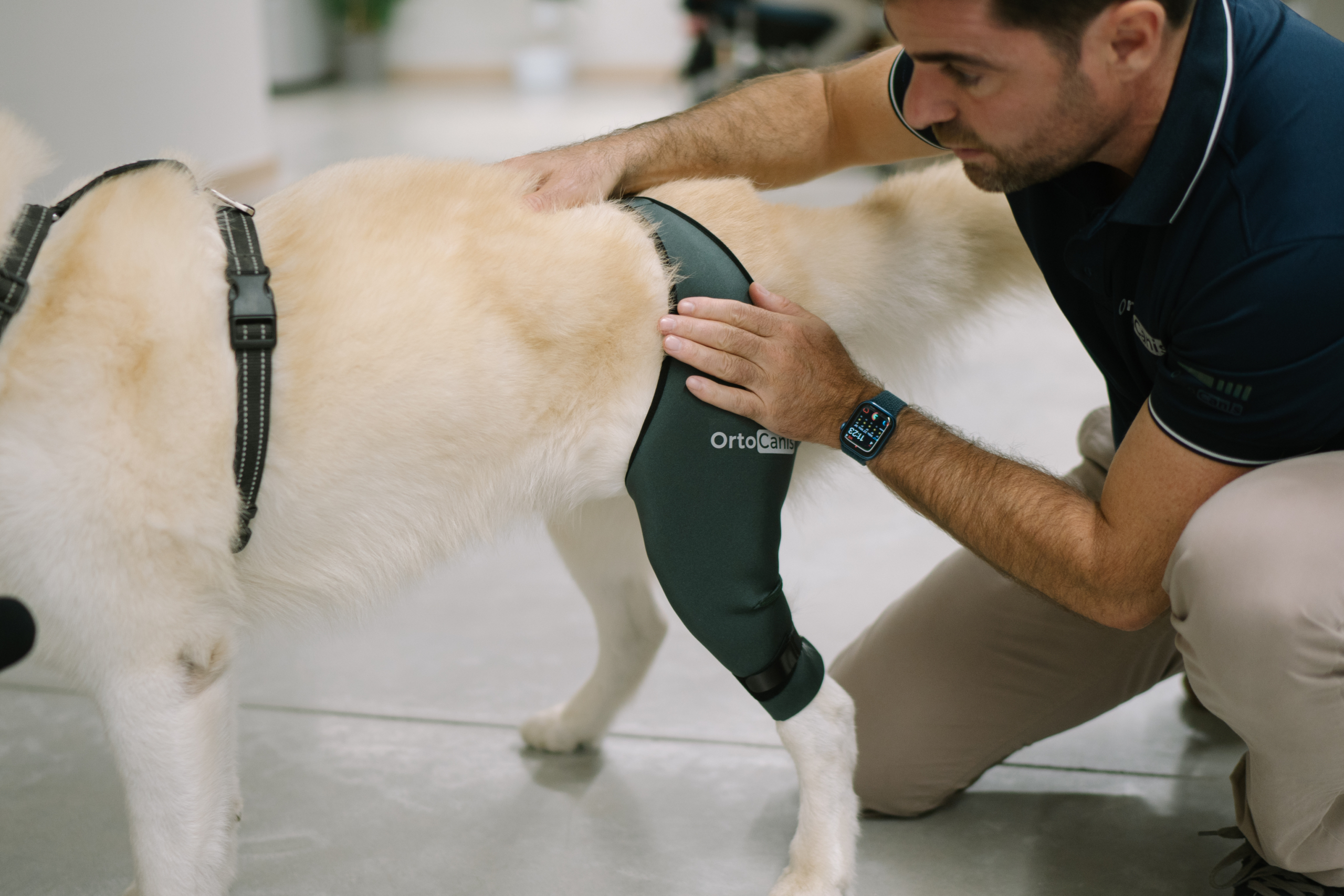
Physiotherapy for dogs is a fundamental tool to improve the quality of life of those who suffer from mobility problems such as osteoarthritis, muscle weakness or post-surgical recovery. Through specific exercises, adapted care and the use of orthopaedic products such as those we offer at Ortocanis, it is possible to help dogs with reduced mobility to regain strength, stability and confidence in their movements.
In this article, we offer you a practical guide on safe and effective exercises, as well as key tips and products that will make rehabilitation easier and more comfortable, both for the dog and the caregiver.
When to use canine physiotherapy?
Physiotherapy treatments are indicated in various clinical situations, including:
- Canine osteoarthritis, a common degenerative pathology in older dogs.
- Recovery from orthopedic surgeries, such as hip dysplasia or herniated discs.
- Dogs with muscle weakness or neurological problems.
- Improved overall mobility in older dogs or dogs with motor impairments.
Benefits of Physical Therapy for Dogs
Physical therapy is not just a recovery tool, but a strategy for maintaining and improving overall well-being of dogs with reduced mobility. Applied preventively or as part of a comprehensive treatment, it has the potential to reduce pain and improve quality of life of the animal. Some of the positive effects it offers are:
- Relief of joint and muscle pain.
- Improved range of motion and coordination.
- Reduced inflammation.
- Progressive muscle strengthening.
And, most importantly: it allows dogs with reduced mobility to maintain an active and dignified life.
Basic precautions before you start
Before starting any exercise, it is essential to:
- Have the support of a veterinarian or specialized physiotherapist.
- Work on a non-slip surface.
- Watch the dog at all times for signs of pain or fatigue.
- Use support harnesses or other accessories to prevent overloading or falling.
At Ortocanis, we always advise starting progressively and adapting each routine to the clinical state of the animal under professional recommendation.
Physical therapy exercises to do at home
Below, we provide you with a series of simple exercises to be carried out from the tranquility and comfort of home. They’re all meant to be safe, but remember that the supervision of a veterinary professional is key.
1. Controlled walks with support harness
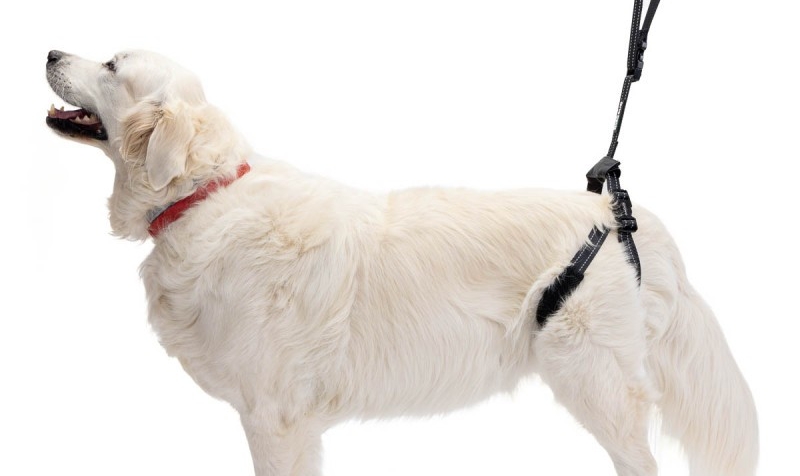
One of the simplest and most useful exercises. It consists of short, controlled and assisted walks with a Support harness for rear, front or integral, depending on the affected area. This relieves the weight on the joints and prevents falls, especially on uneven or slippery surfaces.
2. Circles or side turns
With the dog standing, it is encouraged to slowly turn in both directions. This exercise improves balance, coordination, and activates your muscles. It can be done several times a day for one minute, always keeping an eye on fatigue.
 3. Exercises with elastic bands
Elastic bands or resistance tapes for dogs are an excellent tool for strengthening specific muscle groups. They are gently placed on the limbs to offer a slight resistance while walking.
4. Going up and down stairs
It is a functional exercise that can be very beneficial for dogs with reduced mobility as long as it is done with supervision and in a safe and non-slip environment. This natural movement forces the dog to work the muscles of the hind legs in a controlled way and strengthen the coordination of the whole body.
Between 3 and 5 repetitions can be performed, depending on the dog’s tolerance.
 5. Low Obstacle Crossing
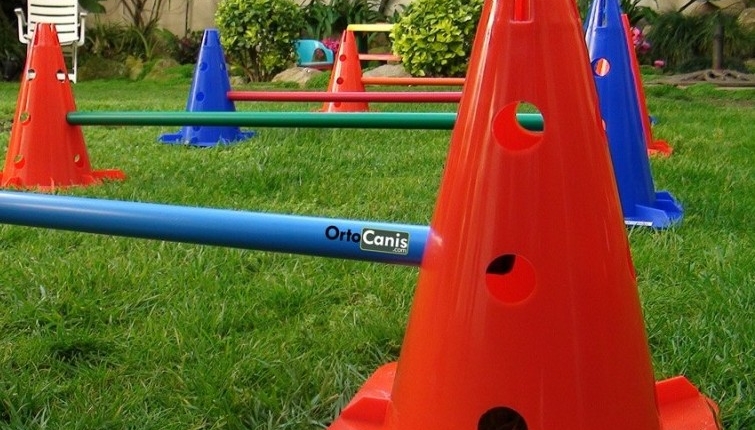
It involves placing small cones, bars or cushions on the floor for the dog to get around by walking over them. This exercise Improves leg lift, body awareness, and balance.
Discover other domestic methods in our guide to canine rehabilitation techniques. Although veterinary physiotherapists are the most suitable to practice physiotherapy on an animal, there are many cases in which the owner can do it themselves, as long as it is by professional recommendation.
When to avoid exercise?
It is essential to avoid any routine if the dog:
- You have sharp pain or active inflammation.
- Is reluctant to move or limps noticeably.
- Has had a recent relapse or has not yet been evaluated by a veterinarian.
Physiotherapy must always be adaptive and respectful of the animal’s physical condition.
As in any therapy, the results in canine physiotherapy are seen with constant repetition and the appropriate accompaniment. It is not a matter of forcing the dog, but of accompanying him with patience and resources that facilitate the way.
Small milestones, such as climbing stairs again, running in the park, or just walking pain-free, are big steps for dogs with limited mobility.
At Ortocanis, we have been working for years to offer you effective, safe solutions based on veterinary science. Find a wide range of solutions designed to assist dogs during their rehabilitation in our catalogue.
Director of Ortocanis


Leave a Reply
Want to join the discussion?Feel free to contribute!