

Keep Your Dog Agile: Preventive Care Strategies for Optimal Mobility at Any Age
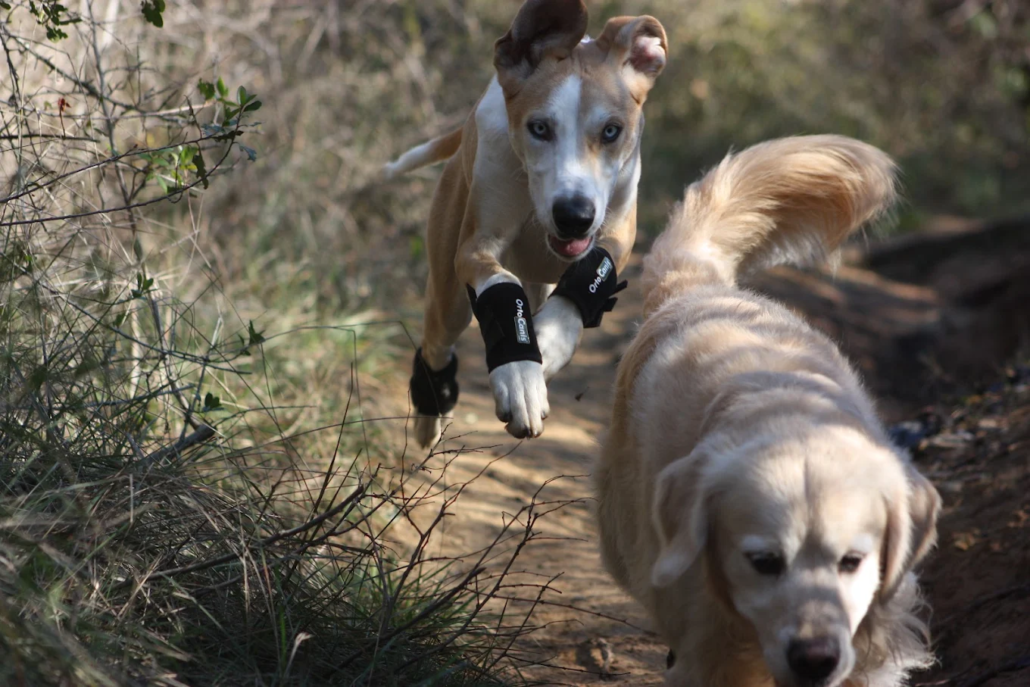
Mobility is one of the fundamental pillars of the quality of life of dogs. An active, agile dog with good joint health enjoys more his walks, games and daily routines. However, as in humans, the passage of time, being overweight, injuries or certain pathologies can compromise canine agility. Therefore, applying preventive care strategies is key to ensuring that they maintain optimal mobility at any stage of their life.
In this article, we offer practical recommendations that range from adapted exercise to the use of orthopedic aids. All with the aim of keeping your dog agile, happy and pain-free.
1. The importance of canine mobility
Mobility not only influences the physical capacity of the dog, it also has an impact on its emotional well-being. A dog that can’t move comfortably tends to show signs of frustration, apathy, or even depression. In addition, a lack of physical activity can trigger secondary problems such as being overweight, losing muscle mass or joint stiffness.
According to Banfield Pet Hospital, implementing home care to create a safe space helps prevent additional injuries and improves the response to joint treatments.
2. Physical activity adapted to each stage
Exercise is an essential tool to maintain agility, but it must be adapted to the age, physical condition and possible pathologies of each dog.
- Puppies: they need frequent, but moderate, games and walks to develop muscles and joints without overloading them.
- Young adults: they are the ideal stage to promote endurance and muscle strength through long walks, fetch games or activities such as agility.
- Older dogs: they require gentle routines, shorter but frequent walks and specific exercises that promote mobility without generating pain.
On our website you can find a practical guide with exercises to regain strength in the hind legs, perfect for those dogs that need to strengthen their muscles after an injury or due to the natural wear and tear of age.
3. Weight control: an ally against osteoarthritis
Being overweight is one of the risk factors for developing osteoarthritis and mobility problems. Every extra kilo means an additional overload on joints, tendons and muscles.
To maintain a healthy weight, we recommend:
- Adjust the diet to the dog’s activity level.
- Avoid excessive treats or replace them with low-calorie snacks.
- Perform periodic veterinary check-ups to adjust the diet according to the stage of life.
Keeping body weight at bay not only prevents joint problems, it also improves the dog’s endurance, agility and daily energy.
4. Joint care and injury prevention
The joints are the axis of canine mobility. Over the years, natural wear and tear can lead to stiffness, pain, and problems such as dysplasia or osteoarthritis.
Some strategies to take care of your joints are:
- Nutritional supplements: the use of chondroprotectors (made from Chondroitin Sulfate and Glucosamine) helps cartilage health and prevents and slows down osteoarthritis.
- External protection: joint protectors for dogs are a practical solution to provide stability and support in cases of osteoarthritis or recovery from injuries.
- Regular veterinary check-up: detecting the first signs of pain or lameness in time allows more effective treatments to be applied.
5. Orthopedic aids: support for an active life
When mobility problems appear, there are solutions that allow the dog to maintain a good quality of life. Canine orthopaedics is a fundamental resource both in preventive phases and in recovery treatments.
Among the most commonly used orthopedic aids we find:
- Support harness: Facilitates mobility in dogs with weakness in their hind legs. It is our best-selling harness for dogs with reduced mobility.
- Wheelchairs for dogs: they restore mobility and autonomy when the dog needs extra help in its hind legs.
- Orthotics: they provide physical support, helping the correct positioning of the muscle and increase the working temperature of the joints, thus improving their performance.
In our blog, we give you more information on how to help dogs with mobility problems, where we explain, among other things, tips and home care solutions to improve the daily life of these animals.
6. Personalized evaluation: our test
Every dog is unique, and so are their mobility needs. To facilitate early detection of problems and guide caregivers on the most appropriate solutions, We provide you with a very useful resource: a simple test to find out if your dog shows signs of any mobility problem.
This questionnaire allows you to know the probability that your dog will suffer from joint problems. It’s a tool designed to help you recognize osteoarthritis pain and thus keep your dog happy and active, but it does not replace in any case the diagnosis of a professional.
Always consult your veterinarian with any medical concerns.
7. Prevention routines for each day
In short, keeping a dog agile does not require drastic changes, but perseverance in small routines:
- Hikes tailored to your energy.
- Games that stimulate body and mind.
- Weight control and balanced diet.
- Regular veterinary check-ups.
- Use of protectors or orthopedic aids when necessary.
The combination of these actions will help your dog achieve a healthy lifestyle that translates into years of full mobility.
Preventative care is the key to keeping dogs agile and happy at all stages of their lives. From adaptive physical activity and weight management, to the use of orthopedic aids, every action counts to achieve an active, pain-free life.
At Ortocanis you will find specialized products and information and resources that will help you make the best decisions for your dog’s well-being.


Leave a Reply
Want to join the discussion?Feel free to contribute!