

My Dog Is Getting Older: Essential Guide to Senior Dog Health, Wellness, and Mobility
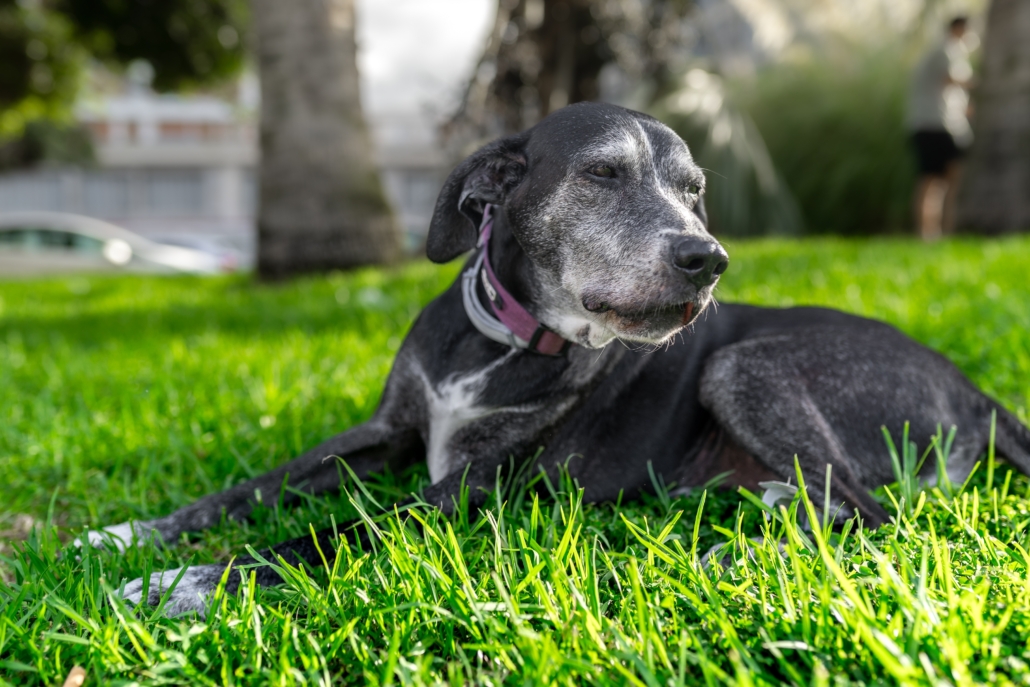
Over the years, our dogs age, and with old age come physical and mental changes that we must attend to with special care. Canine old age can be a very enriching stage if we know how to accompany them properly. Since Ortocanis, we offer you the keys to improve your health, well-being and mobility in this guide.
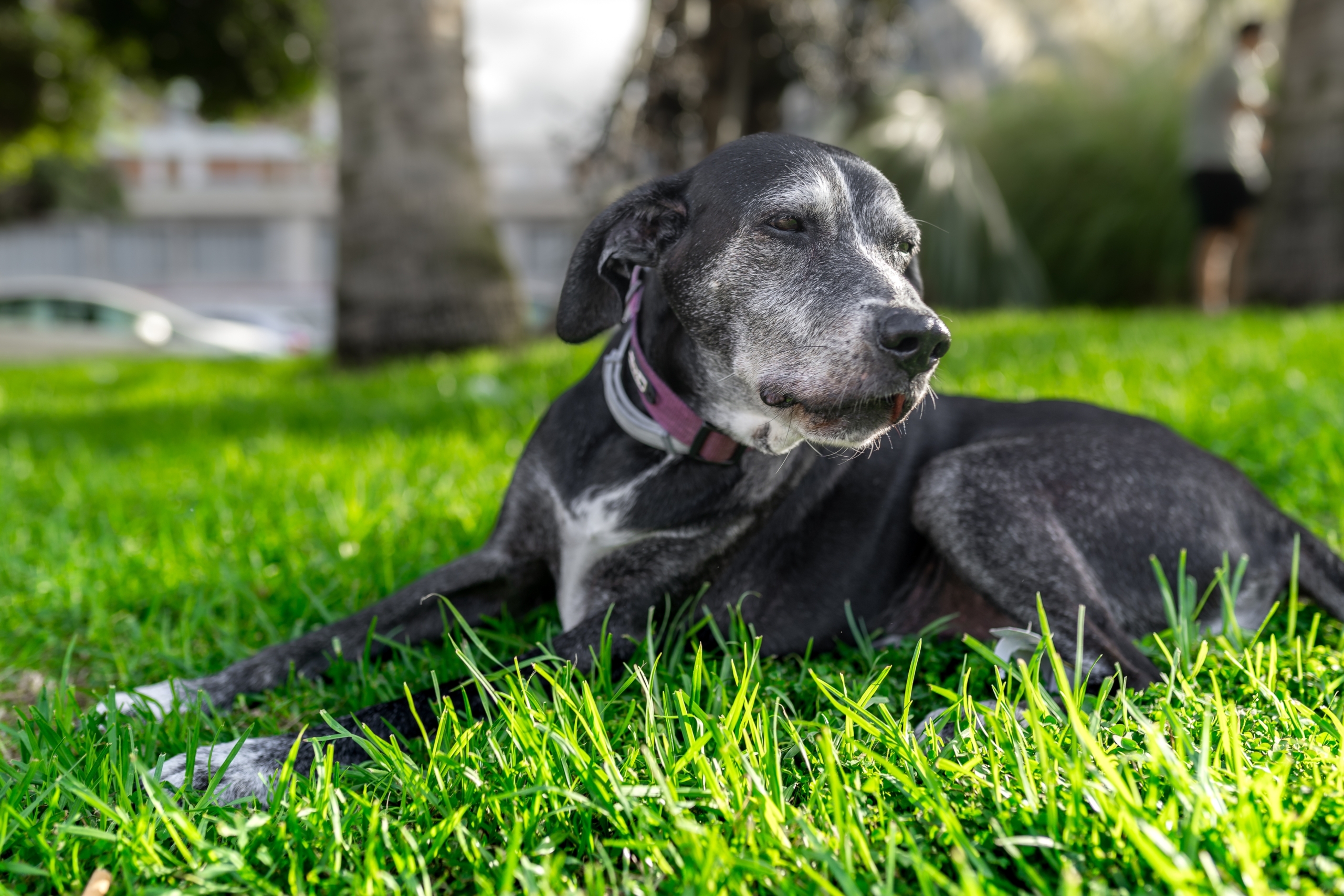
When does canine old age begin?
In general, dogs are considered older between 7 and 10 years old, although this varies by size and breed, as large breeds age faster than small breeds. From this stage, joint diseases, muscle loss, sensory problems and cognitive impairment can appear.
Common Changes in Older Dogs
Osteoarthritis and joint pain
Osteoarthritis It is a degenerative disease that causes cartilage to wear away, causing pain, stiffness and difficulty moving. Is One of the most common problems in older dogs and can affect their quality of life if not treated properly.
Biomechanical studies show that aging reduces joint mobility and muscle strength, aggravating difficulty walking, as indicated by the study “Journal of Comparative Pathology”.
Muscle loss
Sarcopenia Limits Mobility and Can Increase Risk of Falls. Inactivity accelerates this process of this progressive disease, so it is essential to keep the dog moving with adapted exercises.
Vision and hearing problems
Many older dogs lose hearing or develop eye opacities. Although they tend to adapt well, it is necessary to take precautions to avoid accidents and maintain effective communication with them.
Cognitive impairment
Cognitive dysfunction syndrome is similar to Alzheimer’s in humans. It manifests itself with disorientation, behavioral changes, sleep disturbances, or loss of habits.
Keys to improving your well-being
1. Adapted nutrition
The diet must adjust to its new stage. It is recommended:
- High-quality proteins to preserve muscles.
- Omega-3 to reduce joint inflammation.
- Glucosamine and chondroitin to protect joints.
- Antioxidants to slow down cellular aging.
2. Gentle and consistent exercise
Keeping the dog active is essential for their physical and mental health. Short walks, swimming, or gentle exercises help maintain mobility without causing injury. Avoid overexertion or slippery surfaces.
3. Frequent veterinary check-up
From the age of 7, visits to the veterinarian should be at least biannual. Check-ups allow chronic diseases to be detected in time and to adapt care to the new needs of the dog.
4. Cognitive stimulation
Interactive toys, new routines, olfactory games and positive reinforcement help keep the mind active. Companionship and affection are also critical, as many older dogs become more emotionally sensitive.
Technical aids for mobility
When the dog begins to have problems walking, getting up or climbing stairs, technical aids are an excellent way to improve its autonomy.
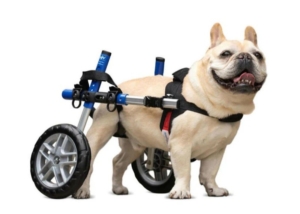
Wheelchairs for dogs
Ideal for dogs with weak hind legs, paralysis or neuromuscular diseases. The Wheelchairs allow the dog to move around without pain, improve circulation and prevent muscle deterioration.
Orthoses and joint protectors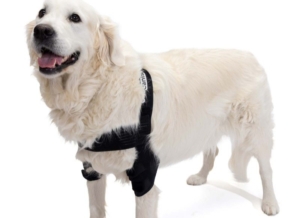
Orthotics They help stabilize joints with osteoarthritis, dysplasia or chronic injuries. They also reduce pain and protect the joint during movement. At Ortocanis, We have models for elbow, hip, knee, carpus and tarsus.
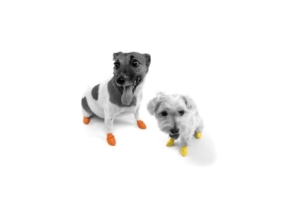 Orthopedic and non-slip boots
The boots They prevent slipping on smooth surfaces, improve traction and protect the pads. They are useful both indoors and outdoors For dogs with weakness or dragging legs.
Assistance harnesses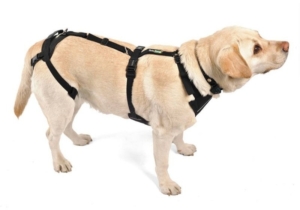
Harnesses They allow dogs with reduced mobility to be lifted or helped to walk without causing them harm. They are especially useful in dogs with muscle weakness or recovering after surgery.
Take care of your environment and routines
In addition to physical care, it is important to adapt the environment for greater comfort:
- Use ramps to avoid stairs.
- Place non-slip mats.
- Make sure your bed is orthopedic, accessible, and warm.
- Maintain regular routines to reduce stress.
Sudden changes or lack of foresight can generate anxiety or worsen certain pathologies.
Accompanying older dogs
With the right equipment, veterinary care, and lots of love, older dogs can enjoy a full life. We should not see the loss of mobility as the end, but as a new challenge to which we can adapt with the technology and knowledge available.
We have been developing orthopaedic solutions for dogs with osteoarthritis, dysplasia, injuries and other pathologies for more than a decade. Therefore, we know from experience that timely intervention can significantly prolong and improve the quality of life of these family members.
Director of Ortocanis



Leave a Reply
Want to join the discussion?Feel free to contribute!